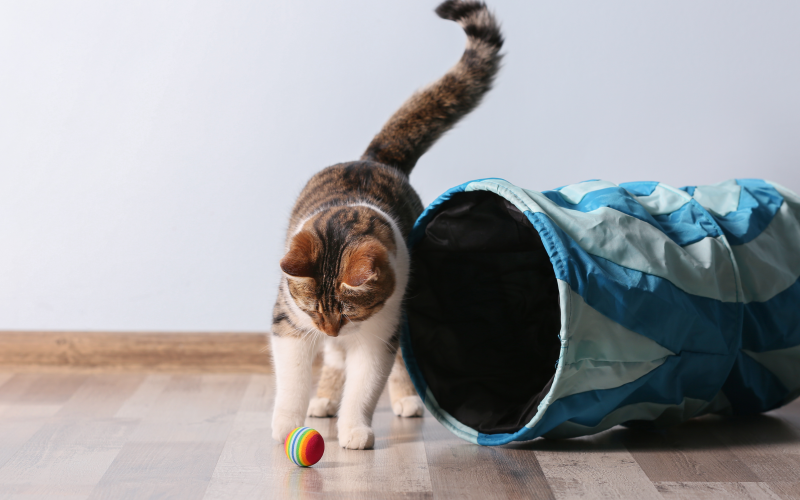
Not missing.
Just safe at home.

Cats who remain safe at home live longer, healthier lives and never appear in ‘lost pet’ posters on a pole.

NOT missing.
Just safe at home.

Cats who remain safe at home live longer, healthier lives and never appear in ‘lost pet’ posters on a pole.

What if every "lost cat" poster didn't need to exist?

We’ve all seen them – flyers on street poles, community boards and vet clinics.

“Lost.”

“Missing.”

“Have you seen my cat?”

For too many families, those posters tell a heartbreaking story.

But it doesn’t have to be that way.

Cats kept safe at home don’t go missing. They don’t get into traffic, fights or trouble. They stay where they’re loved – on the couch, on your lap, by your side.

Statistics you may not know

2 in 3 Australian cat caregivers have had a cat never come home due to a roaming incident
The average outdoor cat roams an area of 2 hectares. That's a long way to find their way back safely
Less than 1 in 10 cats lost will never find their way home
Safe at home cats avoid risks including infectious diseases, getting lost, parasites and other animals

Learn the risks of roaming

Cats kept safe at home are safe from...

– Cars. Cats can be injured or killed. Less than 1 in 3 cats will survive a car accident.

– Cat fights with other roaming cats. Fights can lead to injuries, infections and diseases such as felinimmunodeficiency virus.

– Dogs. Cats can be killed or seriously injured in dog attacks.

– Wildlife. Reduce the risk to your cat from snakes and paralysis ticks and prevent your cat from hunting wildlife.

– Getting lost. Less than 10% of lost cats in NSW are reunited with their owners.

– Parasites. Tick paralysis, worms, fleas, mites and giardia are all parasites your cat can catch from the outdoors.

– Misadventure. Roaming cats are subject to tail injuries from jumping fences, getting caught in trees, being locked in garages and many more unfortunate situations

– Poisons. Rat and slug baits may seem interesting to a cat but can pose a significant threat to a cat’s health.

– Deliberate cruelty/being stolen. Unfortunately a significant amount of cats are harmed or lose their lives at the hands of strangers.

Cats kept safely at home don’t go missing. They don’t get into traffic, fights or trouble. They stay where they’re loved — on the couch, on your lap, by your side.

Transition your cat to the safe-at-home lifestyle

Transitioning to the safe at home lifestyle
How to keep your cat safe at home
Cat Lovers. Ginger kitten lounging on a couch.
Keeping your cat happy and healthy at home
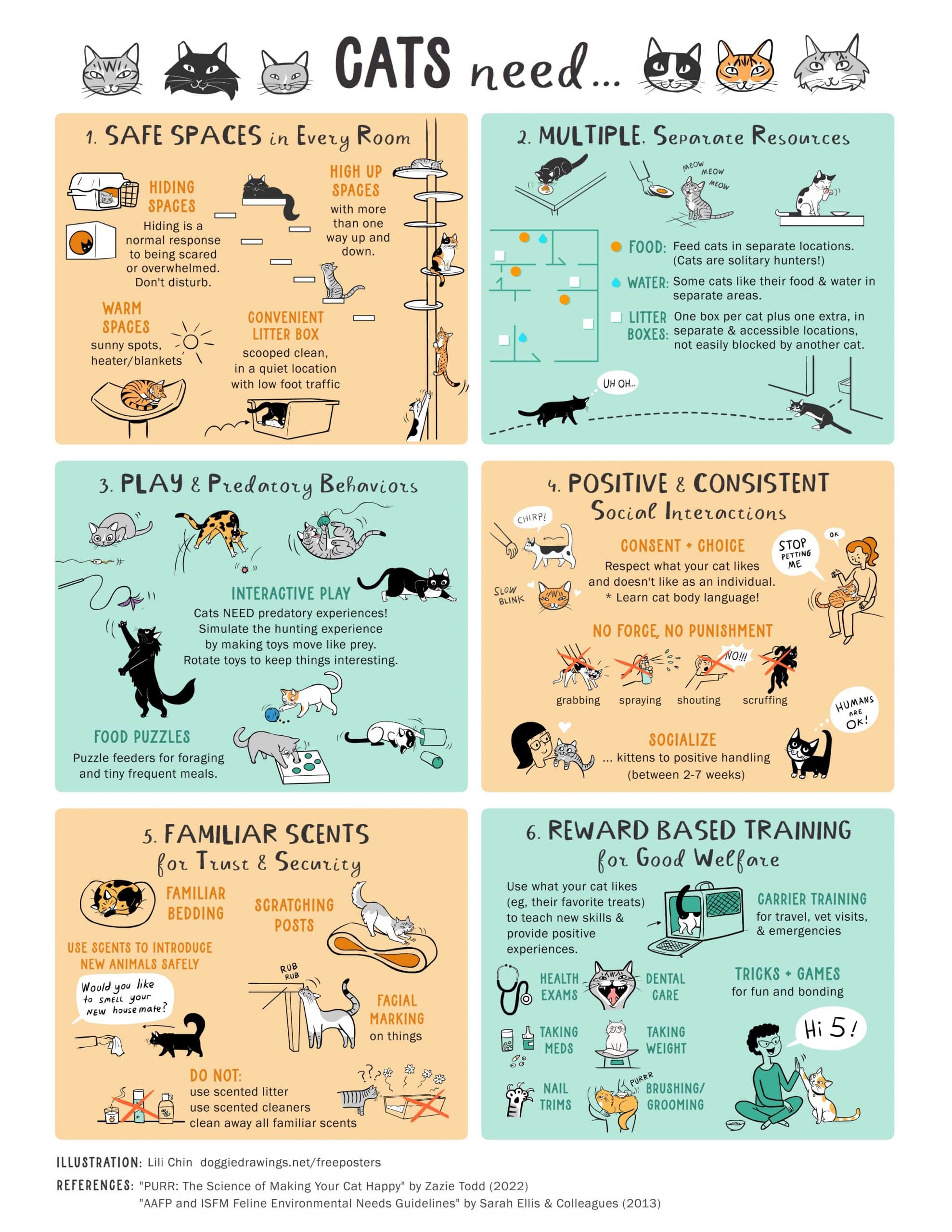
What a cat needs
Meeting the needs of cats
Make staying at home fun for your cat

Learn more about the Keeping Cats Safe at Home project

The Keeping Cats Safe at Home project aims to encourage and enable cat caregivers to prevent their cats from roaming outdoors to maximise their safety, in addition to the safety of native wildlife animals

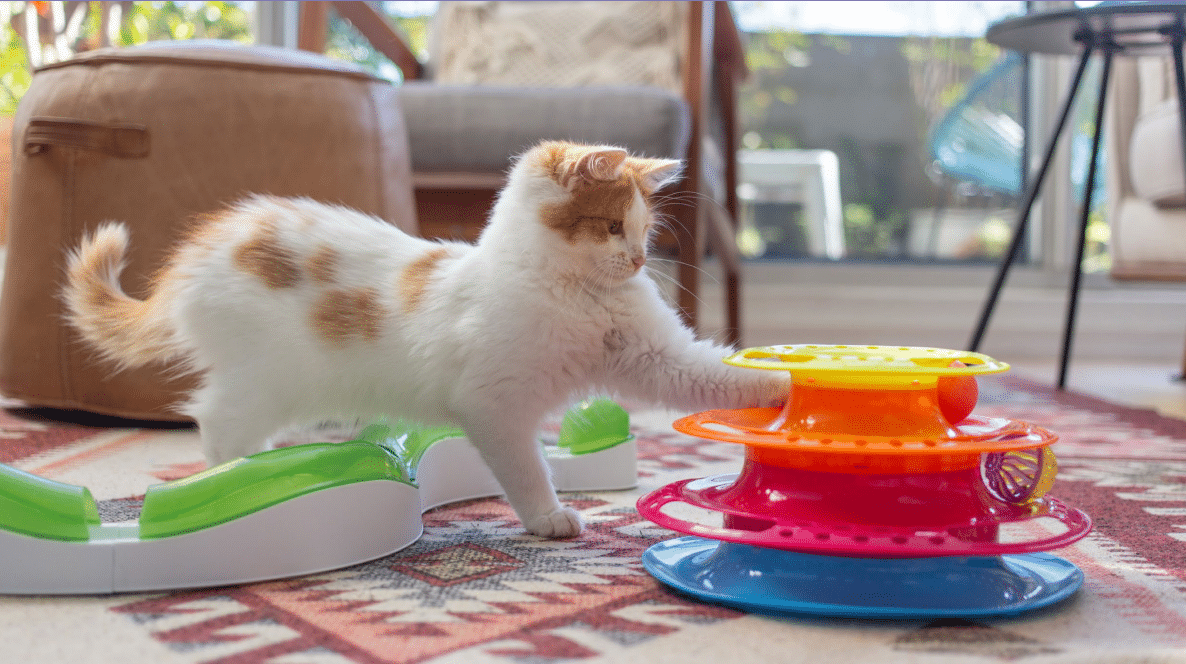
Cat playing with toy.

Explore more resources to keep your cat safe, healthy, and happy at home.

Frequently Asked Questions

What does 'Keep your cat safe at home' actually mean?

Keeping your cat safe at home doesn’t have to mean keeping them indoors. In fact, a safe-at-home lifestyle simply means preventing unsupervised roaming. For some cats, that might take the form of indoor living supported by plenty of enrichment. For others, it could mean having a secure outdoor enclosure, cat-safe fencing, or supervised time outside on a harness. The focus of helping your cat adopt a safe-at-home lifestyle is simply ensuring they can be safe, healthy, and fulfilled.

Roaming exposes cats to multiple threats, including: 

  • Traffic accidents, which are a major contributor to roaming‑related deaths. 
  • Injuries from fights with other animals. 
  • Disease transmission from unowned or feral cats. 
  • Becoming lost or stolen. 

RSPCA NSW’s project data shows that two in three cat owners have lost a pet to a roaming‑related accident, with around one‑third of these involving cars—a powerful reminder of why containment matters. 

Roaming cats threaten the survival of many native species. Estimates show cats hunt close to two billion native mammals, birds, and reptiles in Australia each year, making free‑roaming one of the most significant human‑linked pressures on wildlife. RSPCA NSW includes wildlife protection as a core part of the Keeping Cats Safe At Home project. 

Cats can successfully transition from roaming to a safe‑at‑home lifestyle with patience and enrichment. Steps include gradually increasing indoor time, offering engaging toys, creating vertical spaces, and introducing secure outdoor enclosures. These steps are part of the project’s guidance to help cats adjust comfortably and confidently.