Home > Information and Advice > Caring for Animals > Caring for Cats and Kittens > Keeping Cats Safe at Home > Cat Resources
Keeping Cats Safe at Home helps cat owners prevent roaming to protect both their pets and native wildlife.
You can protect your cat from being hit by a car, from catching disease and parasites, from getting lost or stolen, or injured in cat fights and dog attacks by preventing them from roaming away from home.
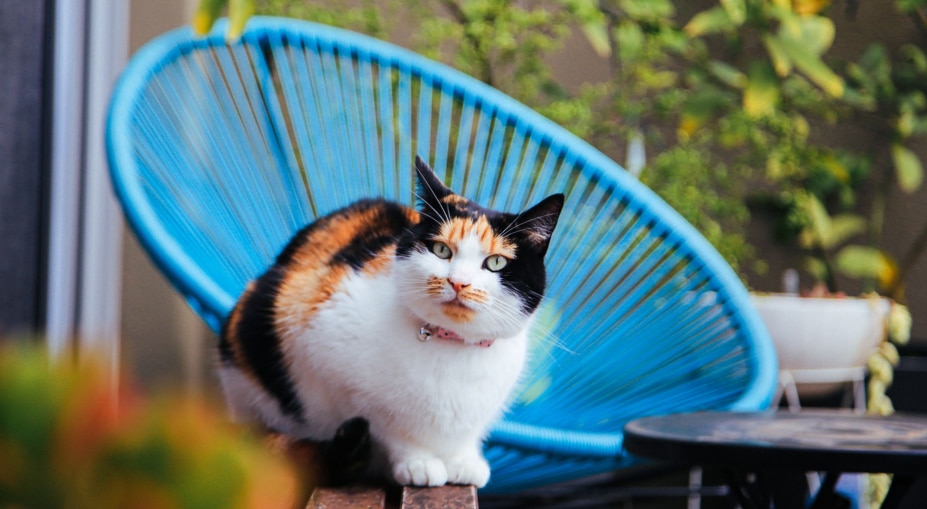
Cat enclosures or “catios” have become increasingly popular as a way to provide a safe and enriching outdoor experience for our feline companions. Getting the most out of your catio requires thoughtful planning and incorporating various elements that cater to a cat’s physical and psychological well-being.
Every cat needs access to scratching posts or surfaces they can scratch on. If you do not give your cat scratching posts and pads and put these in places that your cat wants to scratch, your cat will scratch something else – like your furniture!
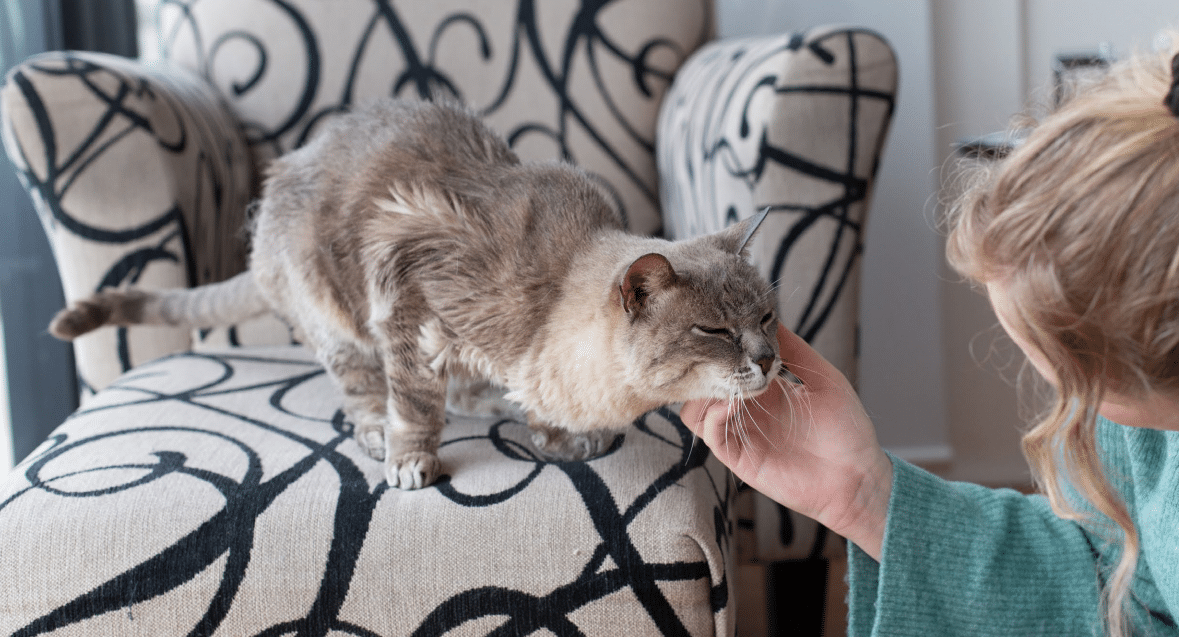
Cats can feel pain. Pain makes a cat’s body hurt. It also makes them feel scared, irritated or unhappy. Each cat feels and reacts to pain differently. Any change to your cat’s behaviour might mean they are feeling pain. There are ways you can help.
Every cat needs certain things to feel safe, happy, and healthy. When these needs are met, and your cat is free from illness, your cat feels good. Feeling good is good welfare.
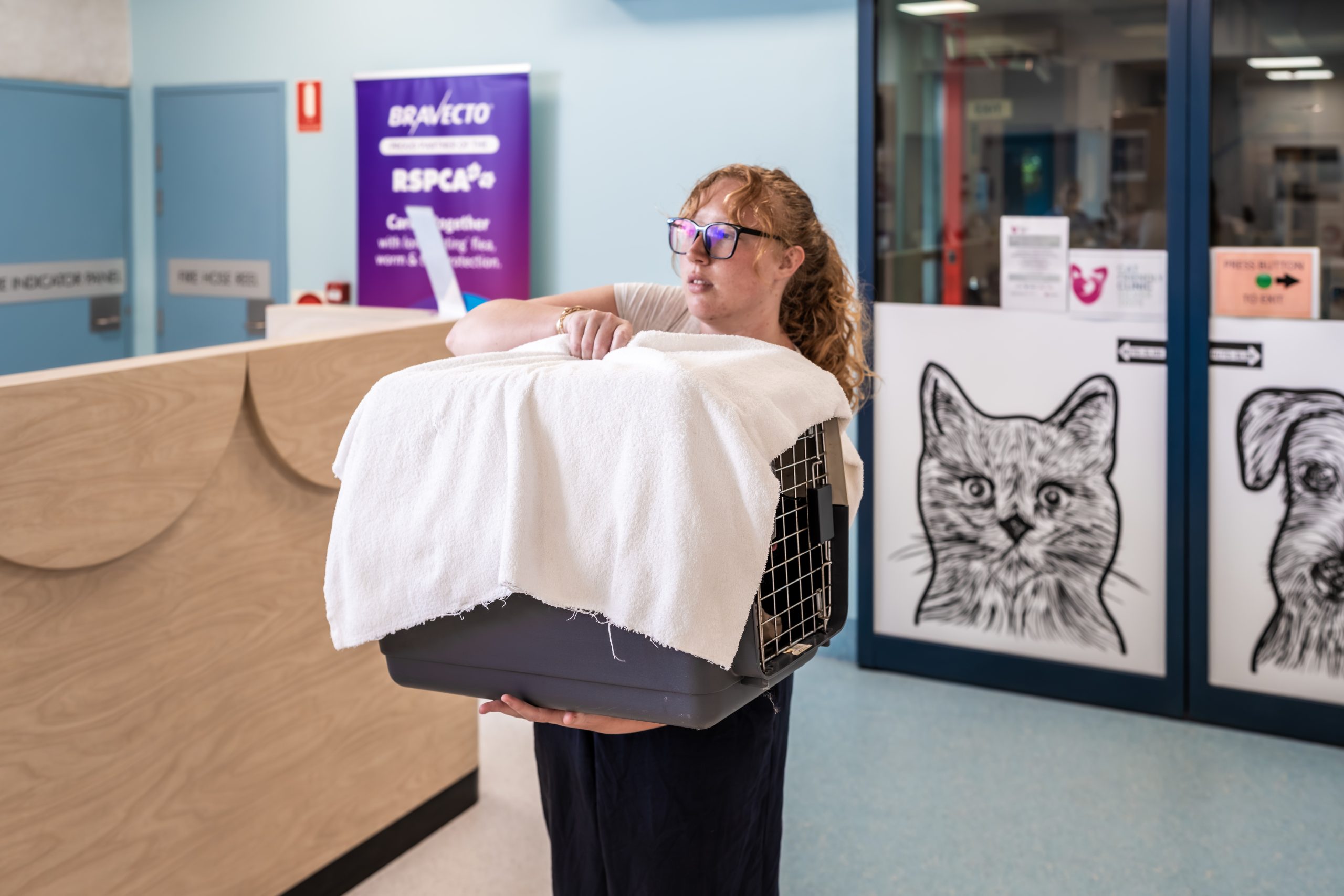
Teaching your cat to go into their carrier by choice can make travelling less stressful for everyone.
Most cats need medication at some point. When cats are forced, medication time can be stressful and unsafe for both cats and carers. Giving cats choice and positive experiences during medication time not only means that they are more likely to take their medication, but it also helps reduce stress for everyone and protects your bond.
Cats are creatures of habit, hence changing their routine will be smoother with some planning and patience. First, ensure you can meet all your cat’s needs at home. This includes food, water, toilets, comfy places to sleep, and opportunities to express all their natural behaviours like hiding, scratching, climbing, and stalking, chasing and pouncing (on toys and treats).

Learn how to ensure you’re meeting the needs of your cat in your home.
Cats are wonderful companions for many people. Nonetheless having a neighbour’s cat visit your property can be frustrating. Cats can use your garden or sandpit as their toilet, they can frighten or harm wildlife, and they can bother your own animals. Follow these steps to work constructively with your neighbour to find a solution that works for everyone.
I found kittens! What should I do?
There are several things you should do before taking them to a shelter – the cat may not be stray but simply lost or out exploring.
Your home is the safest place for your cat. By not letting your cat roam freely you are keeping them safe from car accidents, dog attacks and injuries from cat fights, as well as keeping native wildlife safe and the neighbours happy. All cats need mental and physical stimulation to satisfy their natural instincts and promote their physical and emotional wellbeing. This is especially important for indoor cats.
Safe Cat, Safe Wildlife When your cat enjoys time at home with you, they’re safe from roads, fighting and disease. You might see more native wildlife in your area too! As part of the Safe Cat, Safe Wildlife Community you’ll receive direct to your inbox: Unique offers Expert advice on cat care Tips to give your cat their best life!
By providing enrichment, you’re giving your cat the chance to live their best life. They will be able to express all their natural behaviours like following scents, stalking, chasing and pouncing, while staying safe at home.
What cats need..
The definition of play from a human perspective is to engage in activity for enjoyment and recreation, rather than a serious or practical purpose. However, play for cats is serious business! It activates parts of the brain related to motivation and reward – and promotes tissue growth in areas of the brain that are involved with learning and memory. This is essential for all species, including human animals.
Cats can live happily at home without roaming, as long as they have food and water, a litter tray and lots of enrichment such as climbing and scratching poles, toys and of course your love and attention. If your cat has enjoyed being outside for many years, you can slowly increase their time indoors over an extended period.
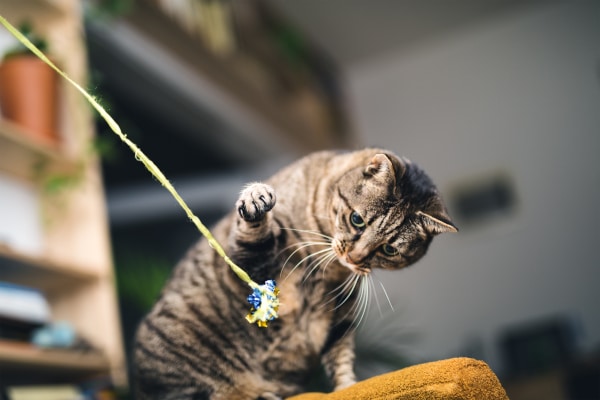
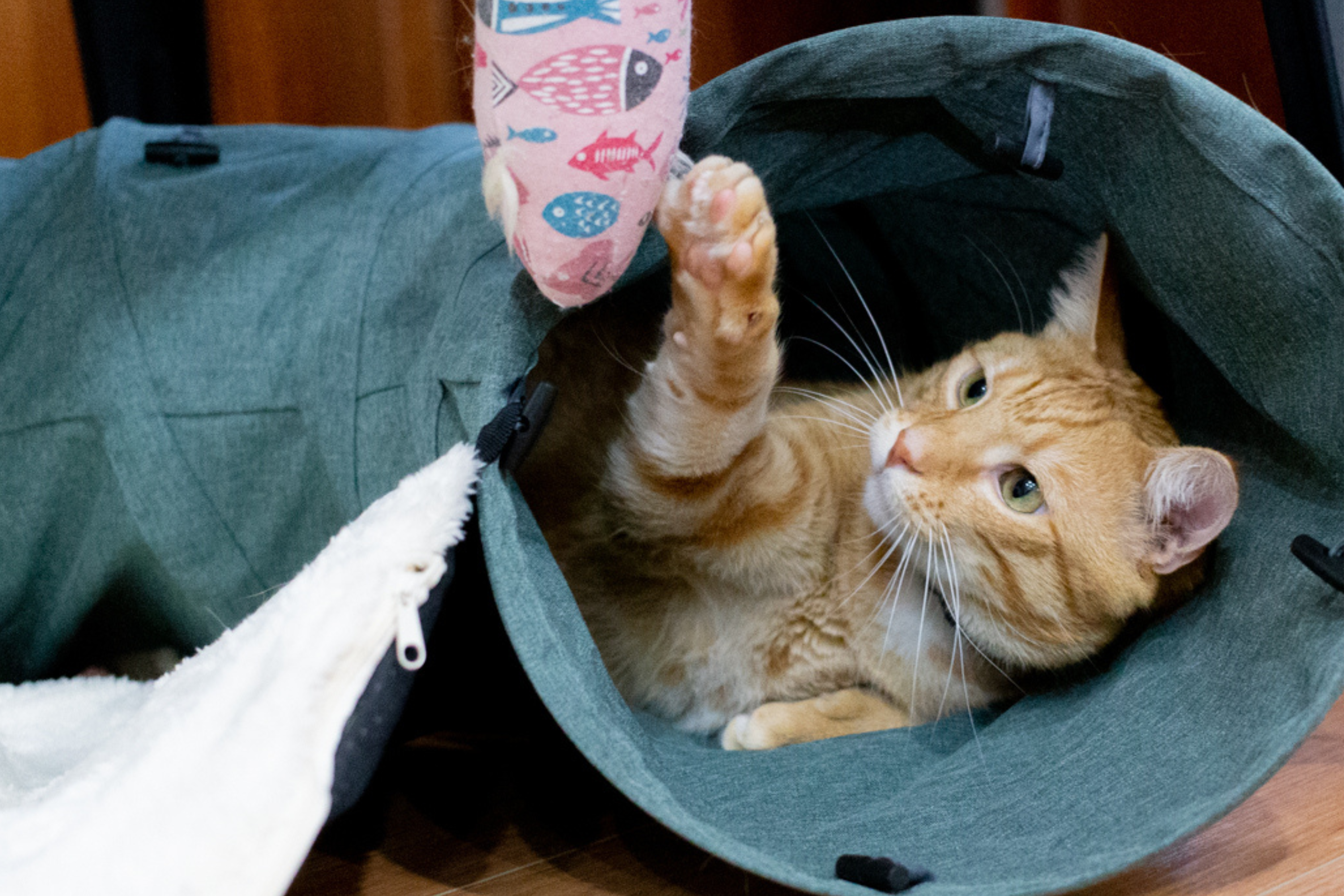
Toys that are left lying on the floor are “dead”. They are boring. Fun toys are like prey! They are usually small and quiet, and they move! Playing is an interactive experience: a simulated hunting experience that gives cats physical exercise and stimulates their brains.
Before introductions begin, make sure each animal has their own safe area away from the other. If you can, divide your home into a ‘cat area’ and ‘dog area’, ideally with a buffer area in between.