
Our Community Aged Care Program is currently unable to take on any additional clients. If you and your pet are in urgent need of help, please reach out to our Contact Centre at (02) 9770 7555 to discuss how we can help you find the support you need.
The bond between older adults and their pets can significantly enhance people’s quality of life, making it essential to find ways to support these critical relationships. For older animal carers, pets can promote social interactions, help reduce loneliness and provide a unique sense of purpose and emotional support.
It’s no surprise that senior pet owners may experience significant stress at the prospect of being hospitalised or undergoing medical treatment and leaving their beloved animal companions unattended and alone. Concerns about what will happen to their beloved animals can often lead to anxiety and even result in people leaving hospital prematurely out of worry for their pet.
By addressing older pet owners needs and allowing them to continue independently, we ensure they can continue to enjoy the companionship of their precious forever friends.
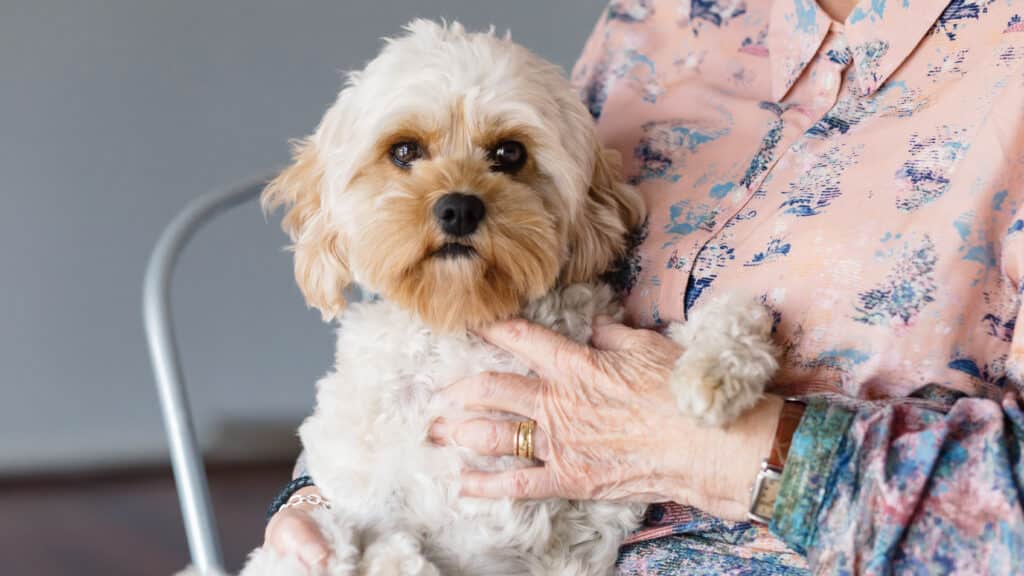
The RSPCA NSW Aged Care program aims to keep pets and their elderly owners happy, healthy and together in their own homes for as long as possible. To do this, we assist elderly pet owners over the age of 65, Indigenous pet owners over the age of 50 and palliative care patients of any age.
Services our Aged Care program offers include:
If you or someone you know requires assistance or information, remember that there are a number of services available across NSW that provide confidential help, guidance, and crisis intervention.
Below are some key contacts that specialise in helping humans in need, whether they’re seeking mental health support, crisis intervention, or information on safety and available services. Please don’t hesitate to reach out to any of these services if you or someone you know is in need of help.
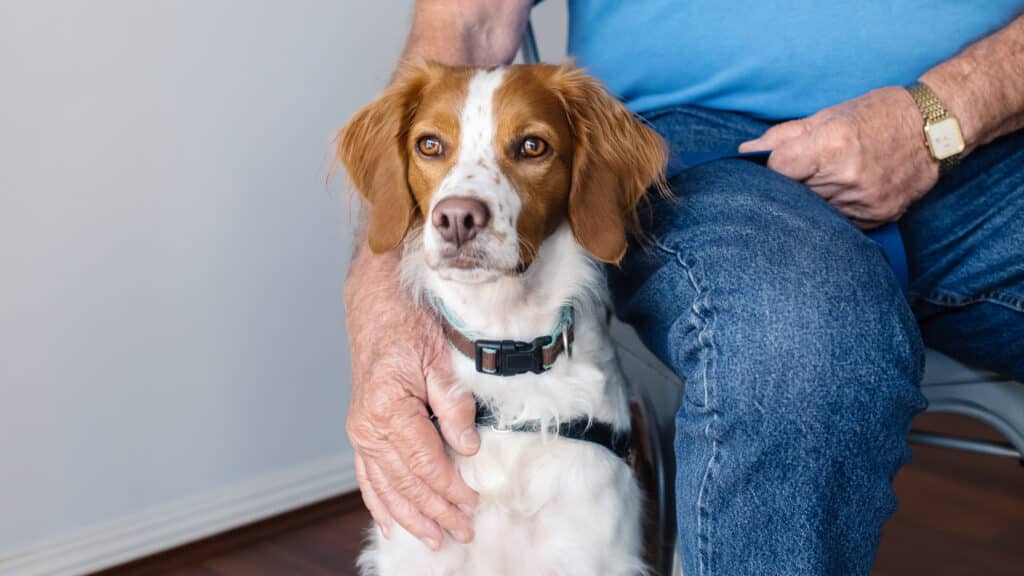
Through our Social Return on Investment (SROI) reports, we’ve been able to measure values not typically explored in impact reports and financial statements. These can include social, economic, and environmental factors.
As a charity, RSPCA NSW relies on donations, partnerships, and fundraising to drive change in our communities, provide treatment and shelter for animals, and offer relief and crisis support for people and pets in need. That’s why we’re excited to share our Aged Care SROI Report, which express the social return your investment in our programs has had!
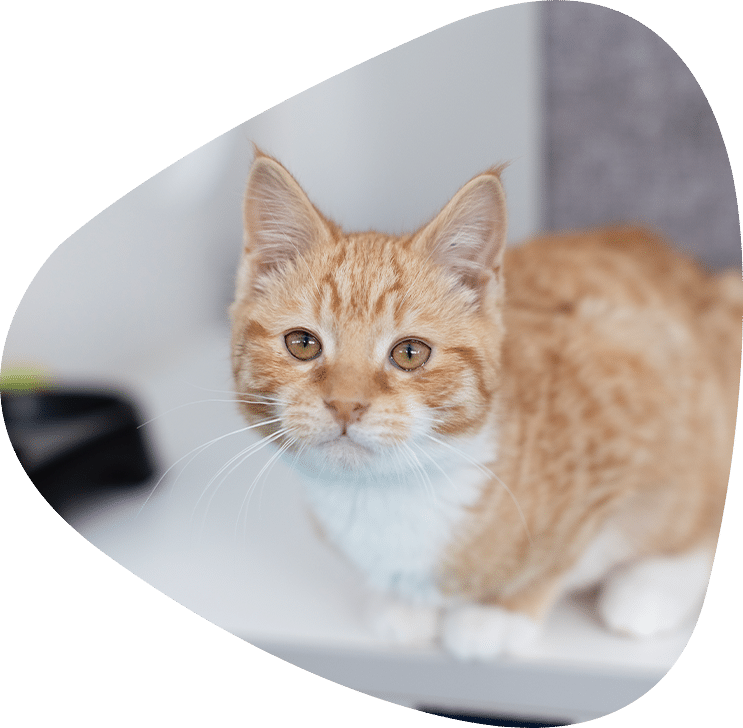
Each situation is assessed on a case-by-case basis, and cost may depend on which services are required. Please contact the RSPCA Community Programs helpline (02) 9782 4408
Our Aged Care program is available services all of New South Wales.
There is no allocated timeframe for an animal staying in our care. However, animal stays are dependent on kennel space, their behavioural and medical needs, and the client’s individual circumstances.
Our Aged Care program is in place to support people that already have pets at home. However, we are supportive of elderly clients wishing to adopt a pet for companionship. For advice and recommendations regarding suitable pets for adoption, please contact your local RSPCA NSW shelter or adoption centre.
Yes, this community program was previously known as Pets of Older Persons (POOPs).
Our helpline is contactable Monday to Friday, 9 a.m. – 5 p.m. During weekends and public holidays, please contact our RSPCA Contact Centre. Details can be found here.
Through our Social Return on Investment reports, we’ve been able to measure values not typically explored in impact reports and financial statements. These can include social, economic, and environmental factors. To learn more about how your donations are helping drive change in our communities, simply click here to read our most recent Aged Care SROI Report.