Strategic Plan - Towards 2040

RSPCA NSW’s Strategic Plan 2027–2030 sets a new direction for animal welfare across NSW.

Strategic Plan

Our three-year strategic plan (FY24-FY26) represents our commitment to contributing our insight, resources, and experience to the improvement of animal welfare in communities across NSW.

By shaping animal-loving communities, improving access to veterinary care, and empowering our Inspectorate and all-day contact centre, we’re building a world where animals are loved and treated with respect. 

Through education, accessible services, and animal welfare advocacy, we will forge a path towards a brighter future for people and animals alike. 

Please learn more about our commitment by reading the full strategic plan below…

strategic plan

RSPCA NSW has often entered an animal’s story when they need us most, after surrender, abandonment, neglect or harm. 

Our next chapter begins with a powerful question: what if fewer animals ever had to reach that point? 

For more than 150 years, we have proudly rescued, protected and cared for animals across NSW and that commitment will never change.  

Today, the challenges facing animals and their people are increasingly complex. Financial hardship can delay veterinary care. Geographic isolation can make essential services difficult to reach. Domestic and family violence can place an entire household at risk. 

When life becomes difficult, people do not stop loving their animals. Sometimes, loving them deeply and struggling to provide the care they need can both be true. 

Through accessible veterinary care, support during hardship, community-led prevention, targeted desexing and advocating for lasting change, we will help more animals remain safe, healthy and connected to the people who love them, so they can thrive together.  

By 2040, our goal is to help keep…

  • 1 million animals safe.
  • Invest $100 million in accessible veterinary care and prevention.
  • Reach 5 million people through education, advocacy and community action. 

“Prevention is our priority. Protection is our promise.”

ACCESS TO VET CARE
  • Establish more accessible veterinary care in regional NSW.
  • Build and strengthen partnerships that expand the delivery
    and reach of accessible veterinary program.
  • Increase the volume of subsidised veterinary care provided through
    RSPCA NSW.
ANIMAL WELFARE SAFETY NET
  • Develop and grow partnerships that promote pet-inclusive support services.
  • Build a coordinated and comprehensive safety net and grow the number of people and animals accessing support.
  • Launch an RSPCA NSW Pet Pantry.
COMMUNITY-BASED PREVENTION
  • Deliver humane education to the youth of NSW.
  • Strengthen cross-sector understanding and professional capabilities through engagement and knowledge sharing.
  • Expand location-based support and services provided in partnership with community.
TARGETED DESEXING
  • Delivering targeted and subsidised desexing programs by focusing our resources in priority communities.
  • Building more strategic partnerships to increase our capacity and capability to deliver desexing at scale.
  • Use our voice, expertise and connection to shift community attitudes towards desexing.
ADVOCACY AND ENGAGEMENT
  • Build public understanding, community capability through research and public education campaigns.
  • Develop high-impact partnerships with human service organisations.
  • Influence policy, regulation and sector-wide change to improve legislation where it intersects with animal welfare.

Explore our five priority initiatives.

Access to Veterinary Care
  • Increase the volume of subsidised veterinary care provided through RSPCA NSW. 
  • Establish more accessible veterinary care in regional NSW.
  • Build and strengthen partnerships that expand the delivery and reach of accessible veterinary program. 
  • Build a coordinated and comprehensive safety net and grow the number of people and animals accessing support. 
  • Develop and grow partnerships that promote pet-inclusive support services. 
  • Launch an RSPCA NSW Pet Pantry. 
  • Deliver humane education to the youth of NSW. 
  • Expand location-based support and services provided in partnership with community. 
  • Strengthen cross-sector understanding and professional capabilities through engagement and knowledge sharing. 
  • Delivering targeted and subsidised desexing programs by focusing our resources in priority communities. 
  • Building more strategic partnerships to increase our capacity and capability to deliver desexing at scale. 
  • Use our voice, expertise and connection to shift community attitudes towards desexing.
  • Influence policy, regulation and sector-wide change to improve legislation where it intersects with animal welfare. 
  • Build public understanding, community capability through research and public education campaigns. 
  • Develop high-impact partnerships with human service organisations. 

Welfare Report 2026. Exploring the link between human wellbeing and animal welfare.

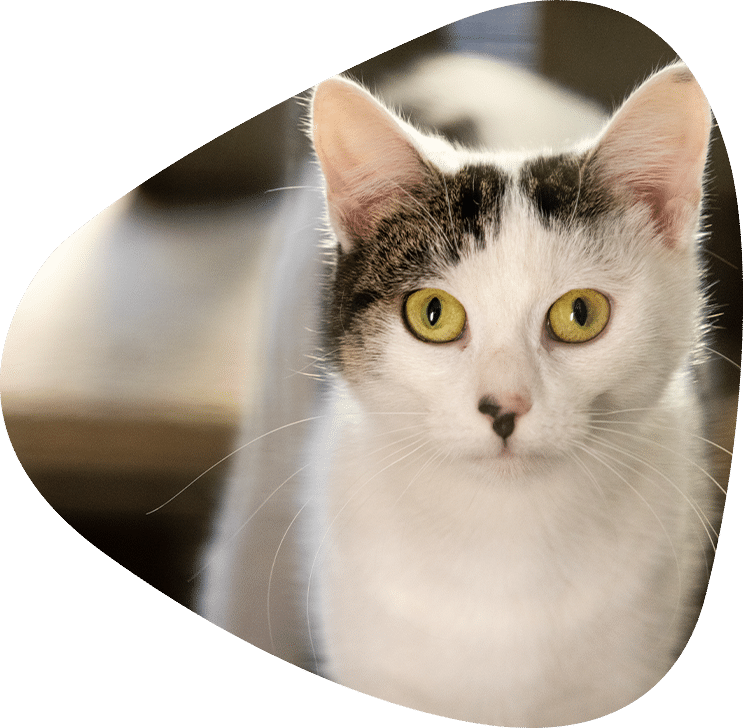
Cat in the care of RSPCA NSW

Frequently Asked Questions

What does this mean for animal welfare in NSW?

RSPCA NSW’s Strategic Plan 2027–2030 sets a new direction for animal welfare across NSW. By acting earlier, addressing the causes of harm and working alongside communities, we can help more animals stay safe, healthy and with the people who love them, while continuing to protect animals from cruelty, neglect and suffering. 

Our shelters will continue to provide safe, compassionate care for animals who need us. By helping animals and their people earlier, we aim to prevent avoidable surrender and reduce the number of animals entering shelters because support was unavailable. This will help us focus on animals with no other safe pathway and give every animal the time, treatment and support they need.

Yes. We will continue to rescue, treat, rehabilitate, shelter and rehome animals when they need us. Prevention strengthens this work by helping us reach animals earlier, while our commitment to protect animals experiencing cruelty, neglect, abandonment or crisis remains unchanged.

Yes. Investigating alleged cruelty and enforcing animal welfare laws will remain a fundamental part of our role. We will continue to respond when animals are at risk and take appropriate action under the law. Alongside this work, we will invest in earlier support and education to help prevent cruelty, neglect and suffering before they occur. 

Too often, animals only come to our attention after harm has already occurred. Pressures such as the cost of living, housing insecurity, limited access to veterinary care and family crisis can place animals and the people who care for them at risk. By stepping in earlier and addressing these underlying causes, we can prevent avoidable suffering and create better long-term outcomes. 

We will work with local communities and partners to better understand where services are limited and what support is most useful. This includes expanding access to veterinary care, outreach, desexing, education and referral pathways in priority areas. Our approach will be place-based and shaped with communities, so support is practical, trusted and responsive to local needs.

Lasting change cannot be achieved by one organisation alone. We will work alongside communities, government, veterinary professionals, human service providers, industry, researchers, donors, volunteers and animal welfare partners. Together, we can connect people with support earlier, strengthen local capability and address broader barriers affecting animal welfare.

We will use clear measures to track whether more animals receive support earlier, fewer animals experience preventable suffering or surrender, and more communities can access the knowledge and services they need. Annual planning, evidence and evaluation will help us monitor progress, learn what works and adapt our approach over time. 

Towards 2040 sets our long-term ambition, while the Strategic Plan 2027–2030 is the first three-year roadmap for getting there. Working in three-year cycles allows us to set clear priorities, take practical action, measure our impact and adapt as community needs and animal welfare challenges change.

Everyone has a role to play in improving animal welfare. People can support our prevention-first initiatives by learning about animal needs, engaging with our information, volunteering, donating, partnering with us and advocating for stronger protections.  

Creating a better future for animals takes all of us, and every contribution makes a difference.