Meeting the needs of small animals

Rabbits and guinea pigs need special care. Giving them what they need helps keep them healthy and happy. Being healthy and happy is good welfare.

These animals have different needs to cats and dogs. This is because they are:  

  • Prey species that get scared easily.  
  • Herbivores that need high fibre diets and constant access to food.  
  • Very sensitive to heat and noise. 

Why it matters? 

  • Rabbits and guinea pigs should not live in hutches all the time. Small spaces stop them from playing and exercising as much as they need to. When hutches are outside, rabbits or guinea pigs can get too hot or too cold. This can be dangerous.  
  • Rabbits and guinea pigs hide sickness. Because they are prey animals, they try not to show when they are sick. We must watch them closely. Get help from a vet quickly if something seems wrong. 
  • Rabbits and guinea pigs need friends of their own kind. They feel sad and lonely when they are kept by themselves.  
  • Rabbits and guinea pigs should not be kept together. They don’t understand each other and living together often leads to injuries! 
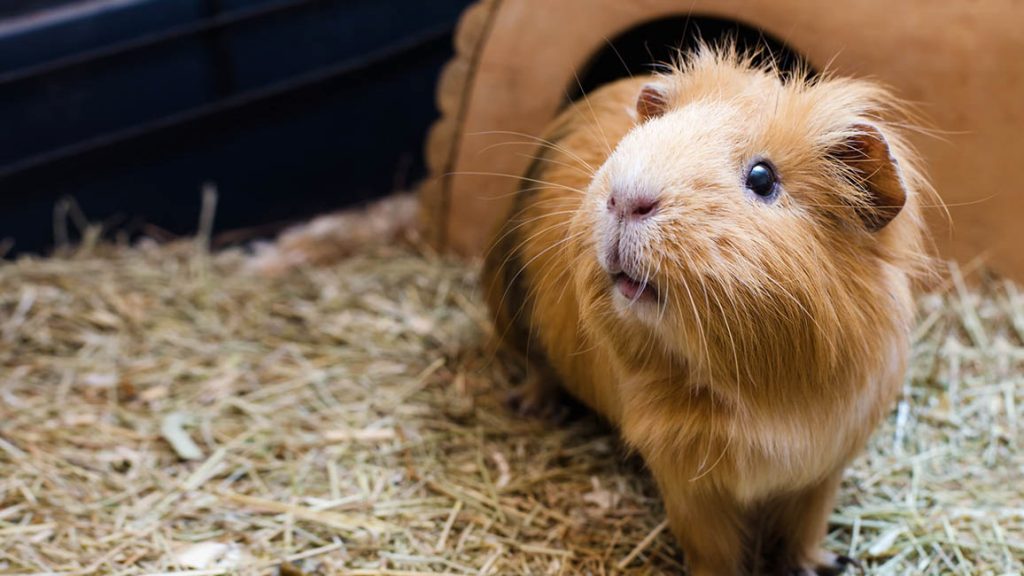
Meeting the needs of small animals. Guinea Pig.

A good diet is critical - what should you feed your rabbit or guinea pig?

Each day, every rabbit or guinea pig needs: 

Weight (kg)
Hay
Pellets (cups)
Greens (cups)
Vegetables (tablespoons)
0-1
Unlimited
1/8
1
1
2
Unlimited
1/8
2
2
3
Unlimited
1/4
3
3
4
Unlimited
1/2
4
4
5
Unlimited
1/2
5
5
6+
Unlimited
3/4
1 per kg
1 per kg

Top tips for happy, healthy rabbits and guinea pigs

 Prey Animals 

  • They scare easily. They consider that everything could be dangerous to them, even humans! 
  • Let them hide when they are afraid or unsure. 
  • Keep away from dogs, cats and ferrets. 
  • Enclosures in quiet areas, away from noise and busy paths. 

Diet 

  • Hay = main food  
  • Rabbits: pile same size as body. 
  • Guinea pigs: pile twice body size. 
PLUS 
  • Greens = 15% of diet. 
  • Pellets = 5%. 
  • Fruit = treat only. 
  • Guinea pigs also need Vitamin C rich foods a few times a week (e.g., capsicum). 

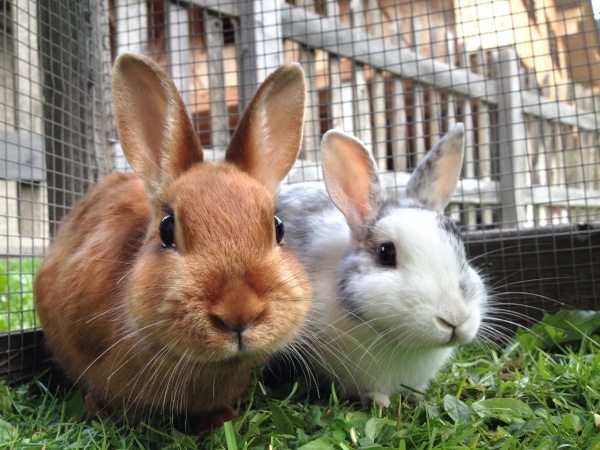
Rabbits in a cage.

Water 

  • Fresh, cool water at all times. 
  • Prefer shallow bowls over drinker bottles. 
  • Offer bowls and drinkers. 
  • Keep both clean and cool. 

Social Needs 

  • Need a friend of their own kind. 
  • Desex before pairing – they breed quickly. 
  • Don’t house rabbits and guinea pigs together. 
  • Give rabbits and guinea pigs choices within their home – different places to sit, hide, explore and play! 

Housing 

  • Indoor housing is best – it keeps them safe from heat, cold and insects. 
  • Large enclosure needed (not just a hutch): Rabbits: min. 3m x 1.5m x 1m high.  Guinea pigs: min. 2m x 0.5m x 30cm high. 
  • Provide shelter from weather and hides (one per animal + one extra). 
  • No wire floors – these cause injuries.

Exercise and Enrichment 

Each day: 
  • Rabbits need to run, hop, dig and be able to stand up on their back legs. 
  • Guinea pigs need to play, hide and explore. 
  • Provide tunnels, boxes and shredded paper. 
  • Hide food for fun and mental stimulation. 
Activity levels 
  • Most active at dawn and dusk – let them rest during the day. 
  • It’s normal for rabbits to be awake at night and sleep more during the day. 
Weather 
  • Bring indoors if >28°C. 
  • Provide good shade and ventilation when it’s warm. 
  • Keep them dry and warm when it’s cold. 
Handling 
  • Most dislike being picked up – as prey, they think they will be harmed. 
  • Sit on the ground and groom them instead. 
  • Never lift by ears, legs, or scruff. 
  • Be careful when handling is required. They may struggle or try to escape. Support the spine. 
  • Never lay on their back (‘hypnotising’) – this is very stressful. 

Learn more about caring for rabbits and guinea pigs.

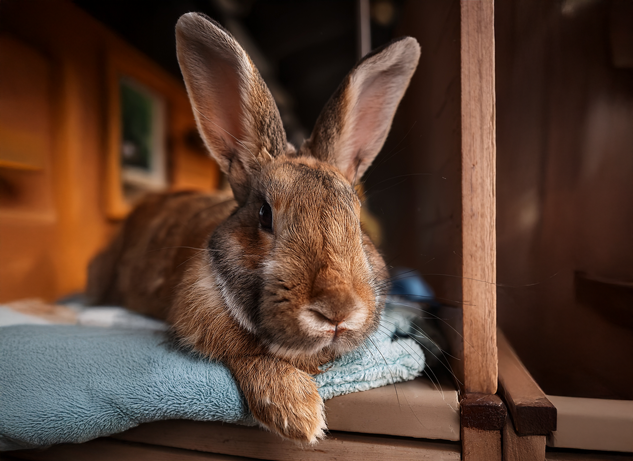
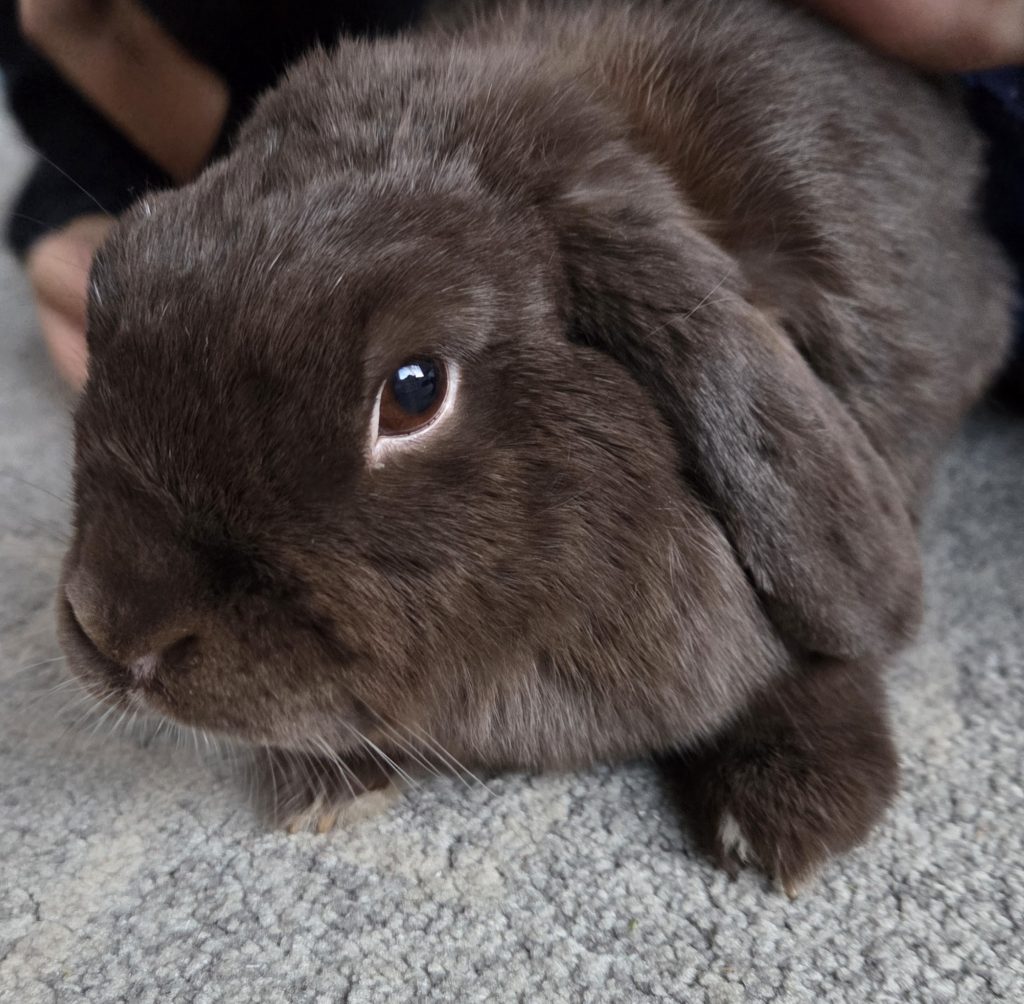
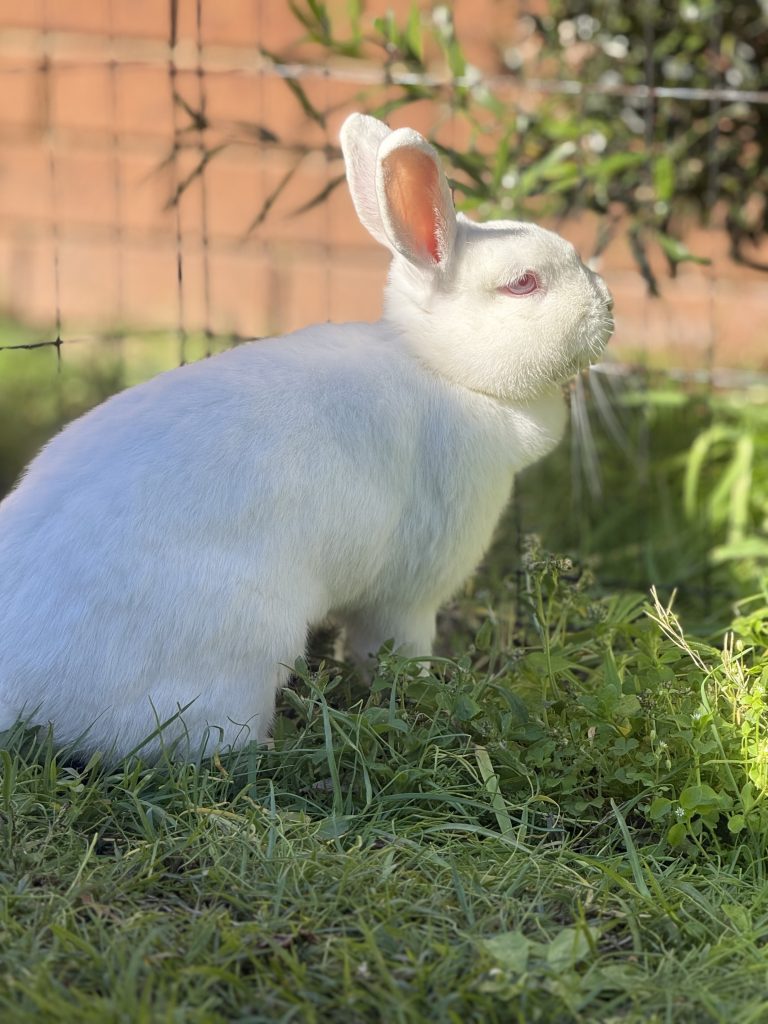
Meeting the needs of small animals. Rabbit.

Rescuoodles Available for Adoption and Foster Care

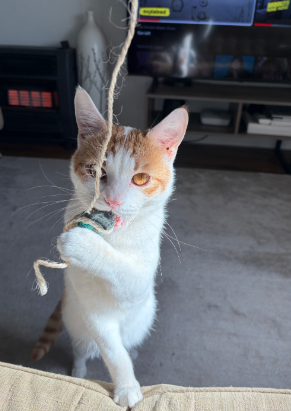
RSPCA NSW kitten playing with toy
Learn how to keep your cat safe at home

Though cats still rely on us to feed them and keep them safe and entertained, a healthy, happy feline friend can be the key to the purr-fect home!

Find out more