1. Resources
- All pets need to be fed the right food for their species, age and stage of life (young, old, pregnant, sick).
- You can find out the best way to feed your pet within your budget by talking to your local vet.
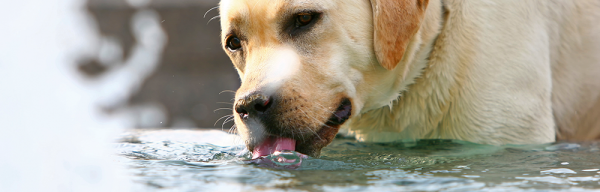
- Your pet must always have access to fresh, clean water.
- All pets also need a clean, comfortable place to live and rest that protects them from the heat, cold, rain, and wind.
2. Health and Hygiene
Health
- Keep up to date with health care. Dogs, cat and rabbits needs regular vaccinations, flea control and worming. Birds and guinea pigs also need regular health care.
- See your vet at least once a year to stay up to date with what your pet needs to stay healthy.
- If your pet gets sick or is injured, take them to the vet.
Hygiene
- Keep your pet’s environment clean. When you keep the pet’s environment clean, you avoid common health problems and keep your pet (and your family) comfortable.
- Remember, animals have a very strong sense of smell. When their enclosures and toileting sites are not cleaned regularly, the smell can be very upsetting to your pet and have an impact on their health through causing injury and/or disease:
- For dogs, make sure they have a space they can go to the toilet and regularly clean the area. If you do not have access to outdoor space at home, take your pet outside your property to go to the toilet regularly.
- For cats, provide at least two litter trays per cat and scoop them twice a day. Litter boxes should also be thoroughly cleaned once a week. When litter trays are not cleaned regularly, cats can become stressed and use other sites around your home to go to the toilet. This can also cause damage to your home.
- Rabbits, guinea pigs, birds, rodents and reptiles need their enclosures and toileting sites cleaned regularly to avoid painful skin problems on their feet and legs and respiratory problems. These guys are very sensitive.
3. Space and Comfort
How much space each pet needs depend on their:
- species
- size
- breed
- stage of life and
- how you house them.
There are lots of ways to set your home up to meet your pet’s needs, no matter the type of home you live in. See our publications about “Meeting the needs of dogs”, “Meeting the needs of cats” and “Meeting the needs of small pets (rabbits and guinea pigs”. We have also produced these handy tips on how to “Help your dog relax at home”, “Healthy, brave puppies” and “Toilet train”.
4. Exercise and Enrichment
Animals need regular exercise and mental stimulation to stay healthy and to avoid suffering. Providing your pet with daily opportunities for movement helps them maintain muscle tone, improves their joint health and prevents lifestyle illnesses, like obesity.
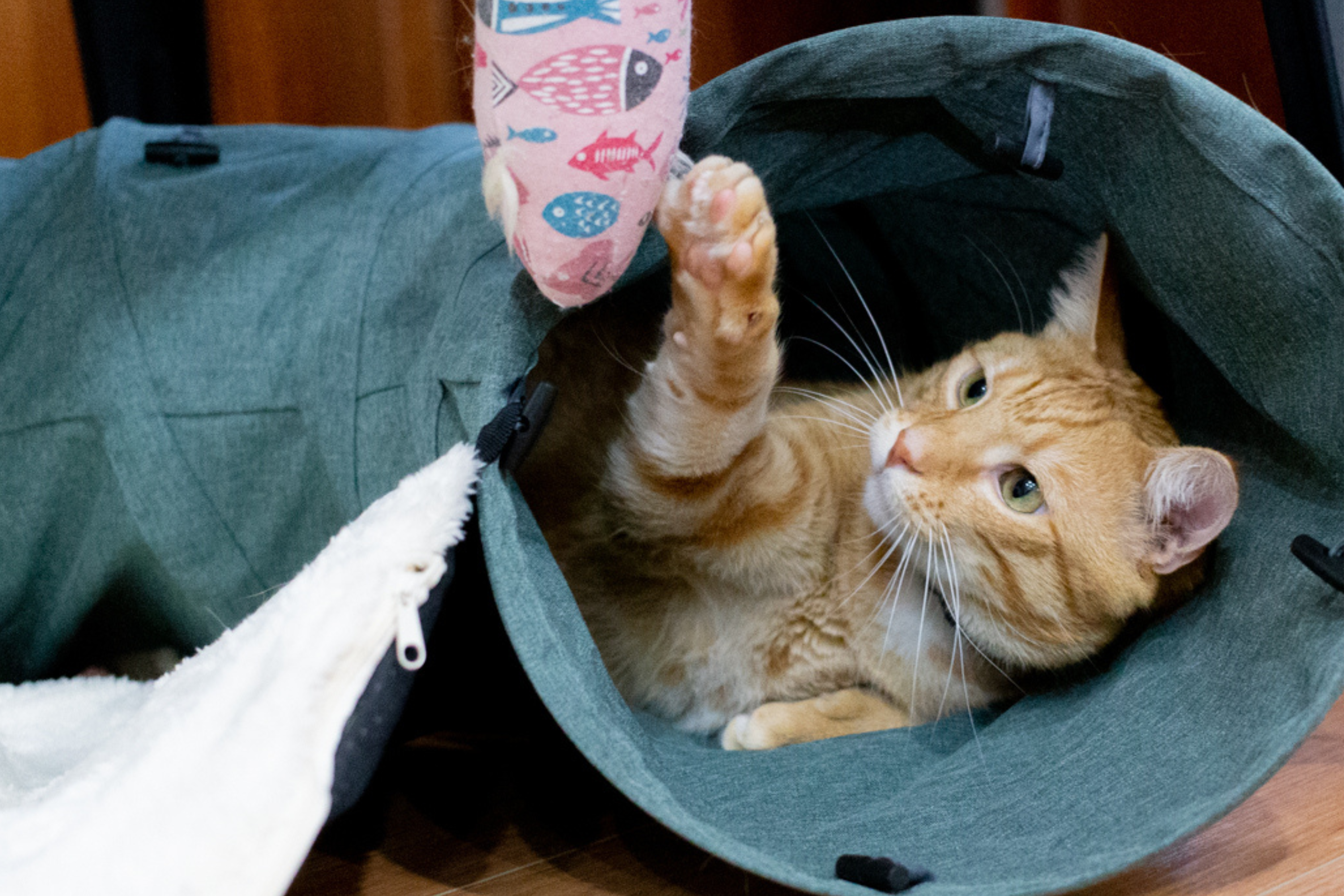
Enrichment activities reduce stress and boredom. Enrichment can include providing toys, chews, games and sensory experiences.
Here are some cool ways to provide enrichment to your pet: “Enrichment for dogs”, “Enrichment for cats”.
What about cages, pens and tethers?
The law requires that animals that are confined (e.g in a pen or who are tethered) are given the opportunity to exercise (move freely and stretch their limbs) at least every 24 hours. Animals must not be tethered for an unreasonable length of time or using a tether that is too heavy or too short.
This does not apply to animals that are normally kept in captivity in cages. Animals that are normally kept in cages must have a reasonable opportunity for adequate exercise by ensuring the height, length and breadth of the cage is sufficient.
5. Social Needs
Each species has different social needs. What each pet wants and needs will depend on the individual. Take the time to figure out what your pet likes:
- Dogs are socially obligate, meaning they need companionship and interaction to stay happy and healthy. Dogs often enjoy the company of other dogs, and isolation can lead to stress. However, not every dog enjoys spending time with other dogs. Some prefer spending time with people.
- Cats are socially flexible, meaning they can thrive in a variety of social settings. However, they like to be able to choose when they want to be with you or if they want to live with other cats or animals. It is important to respect your cat’s choices to improve their wellbeing and reduce the chance of injury to your family.
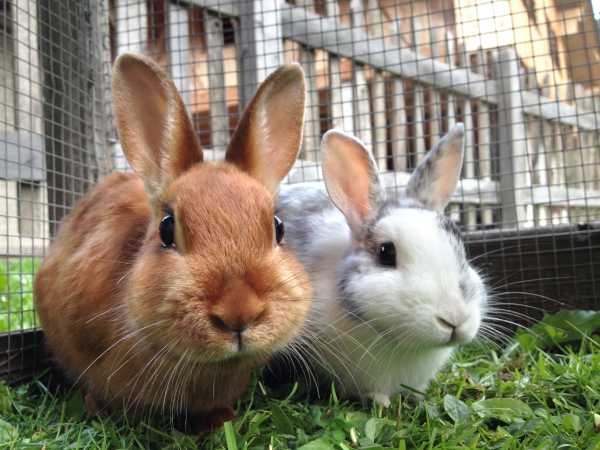
- Rabbits and guinea pigs should never be kept alone; rabbits need at least one bonded companion, and guinea pigs do best in pairs or small groups. Social interaction helps these animals feel secure, reduces anxiety, and supports natural behaviours like grooming, play, and communication. Providing daily engagement, gentle handling, and opportunities to interact with their own kind is essential for their wellbeing.
Pets Living in Apartments
With increasing housing density and people working long hours outside the home, the RSPCA NSW is often contacted by concerned members of the public about animals, particularly dogs, living in apartments.
The law in NSW allows animals to spend long periods of time in apartments, including on balconies, provided that:
- they have adequate shelter that protects them from the heat, cold, rain, and wind
- the balcony is secure so the animal cannot fall or escape
- there is enough room to stand, lie down, stretch, and turn around comfortably
- the animal is fed regularly and appropriately and
- there is access to fresh water.
What to do if you are concerned
If you are concerned about a pet living in an apartment or on a balcony, politely approach the person living there. If this is unsuccessful, approach your property manager or strata. Many concerns can be resolved by kind, clear communication.
In the event of a potential breach of the Prevention of Cruelty to Animals Act 1979 (NSW), contact the RSPCA, Animal Welfare League or Local Police for assistance.