A Project Update: Supporting Safe-at-Home Cats Across NSW 🐾
As the Keeping Cats Safe at Home program continues to grow, it’s become increasingly clear that making life safer for cats doesn’t happen overnight. Though not wholly unexpected, our project has proven that change is a lengthy, but worthwhile, process. One that starts with small commitments, practical support, and empowering people to feel confident to do things a little differently.
Just this last month alone has proven how powerful this process can be. Whether it’s a cat being desexed, a carer learning how to manage a small colony, or a family exploring ways to keep their cat safely at home, these moments all pave the road to lasting change for cats across NSW.
Building the Foundations for Safe-at-Home Cats
A safe-at-home lifestyle looks different for every cat and every household. For some, it starts with desexing. For others, it’s about enrichment, transitioning to spending more time indoors, or simply understanding what their cat needs to feel safe and stimulated at home.
Across NSW, we’ve now supported the desexing of 5,211 cats, reaching 61% of our 8,500 overall project desexing target, with several councils already meeting or exceeding their goals. While these numbers are important, what matters most is what they represent: fewer unplanned litters, reduced roaming, and a more stable foundation for cats to live safely at home.
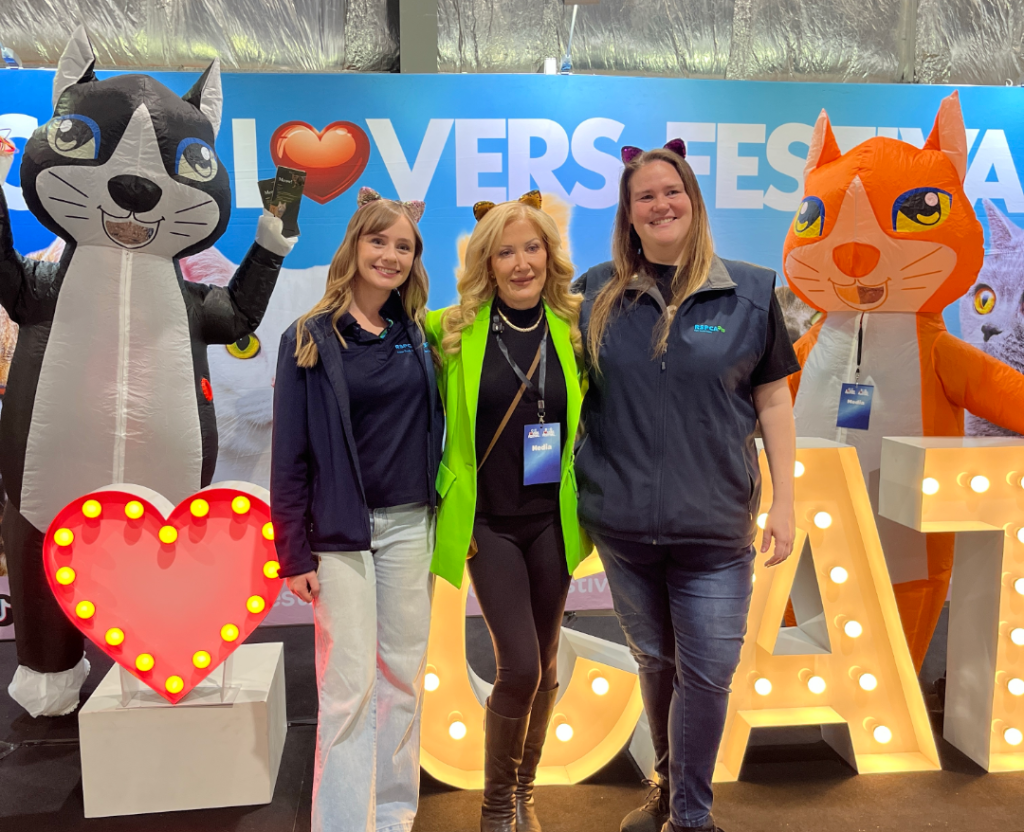
We’re also seeing strong engagement through community events. At a recent Healthy Pet Day in Hamilton South, 22 cats were signed up for desexing, showing that, when support is accessible, people leap at the opportunity to take that next step for their pets’ health.
Supporting People to Make the Change
Transitioning cats to a safe-at-home lifestyle often begins with the people who care for them.
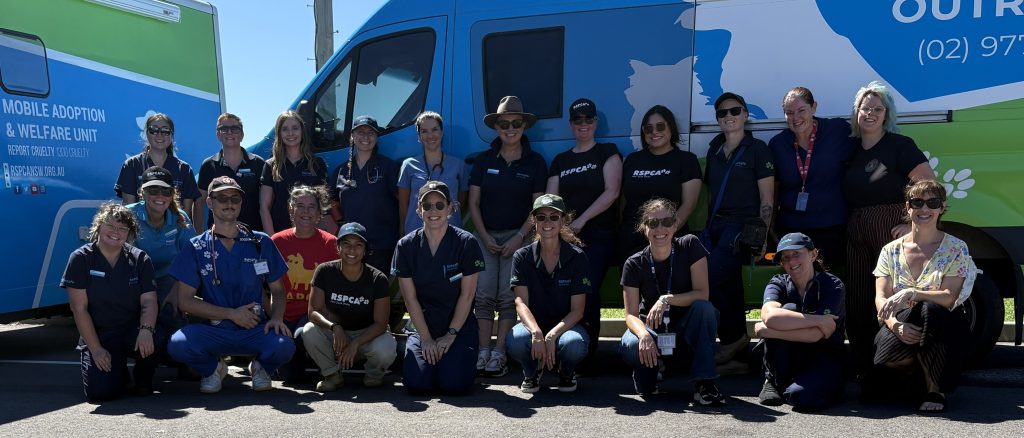
This month, we’ve worked closely with carers across a range of situations, from those feeding a handful of cats to more complex, multi-cat households.
Over the last month, we’ve helped many individuals including a resident in Earlwood who has been learning how to safely trap shy cats for desexing. With educational support and assistance with traps, he’s grown in confidence and is now actively involved in managing the cats on his property, even setting up a recovery space at home for them after surgery. These kinds of changes may seem small, but they’re a critical part of empowering people to care for cats in a sustainable way.

Early Intervention Matters
While much of our work focuses on prevention, we also continue to respond to urgent situations where cats need immediate care.
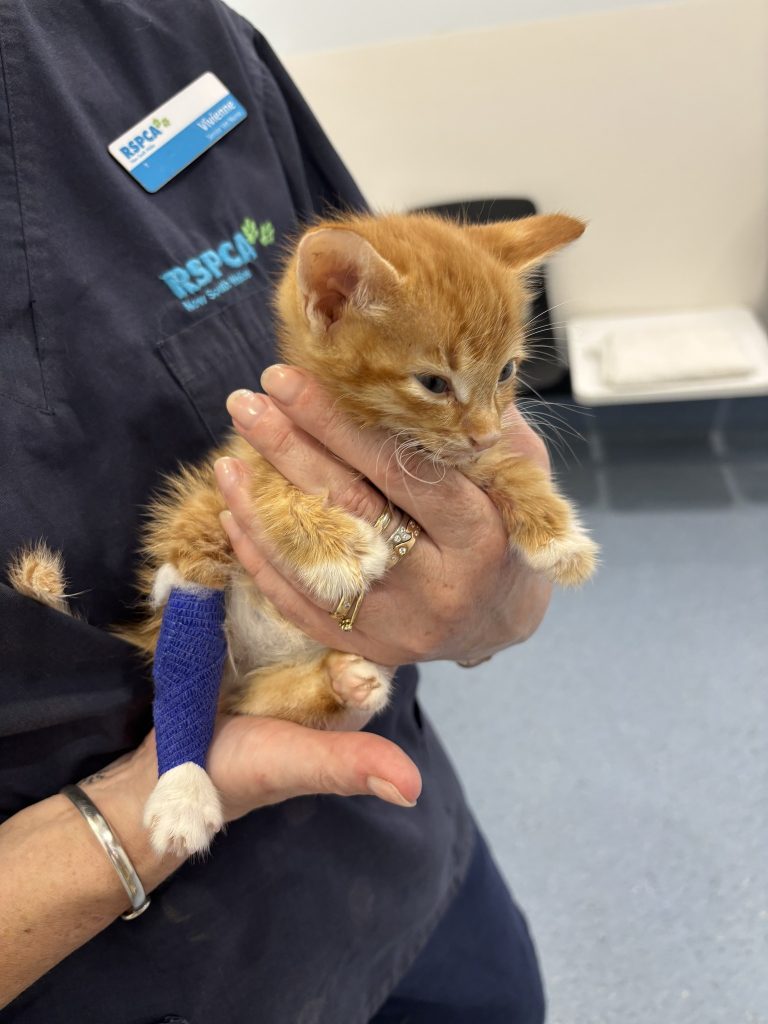
One case this month involved a kitten from the Cessnock area, Ace, whose caregiver had already turned to the Keeping Cats Safe at Home team for support. Ace arrived in our care in a critical condition, severely anaemic and covered in fleas. Thanks to the incredible work of our vets, whose swift response included a blood transfusion, Ace has made a remarkable recovery and is now safe in foster care.
Situations like this are a reminder of why early intervention is so important. When cats are desexed and supported earlier, we can prevent many of these outcomes before they occur. Thanks to collaboration to get all adult cats from Ace’s colony desexed, and all the kittens into loving new homes, we expect that things will look much healthier and more stable for the people and cats from this community this time next year.
Reaching Communities Through Education
Education plays a key role in helping people understand what a safe-at-home lifestyle can look like for their cats.
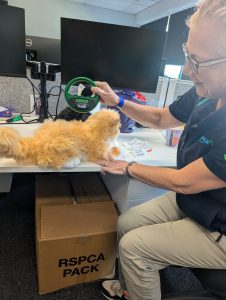
This month, our team joined a Storytime session at Parramatta Library, where families were introduced to Stay Safe Clancy, a story that explores the risks cats face when roaming and the benefits of staying safe at home. It was also the first outing for our robotic cat, Atlas, (who has also been microchipped!) who helped demonstrate how to interact with cats in a calm and gentle way.
Now available in over 80 libraries across NSW, Stay Safe Clancy continues to reach new audiences and help start important conversations with both children and adults.
We also had the opportunity to support an RSPCA NSW school holiday program, where participants explored just how quickly cat populations can grow without desexing. For many, it was powerful and eye-opening experience that helped them understand why prevention matters.
Working Together for Better Outcomes
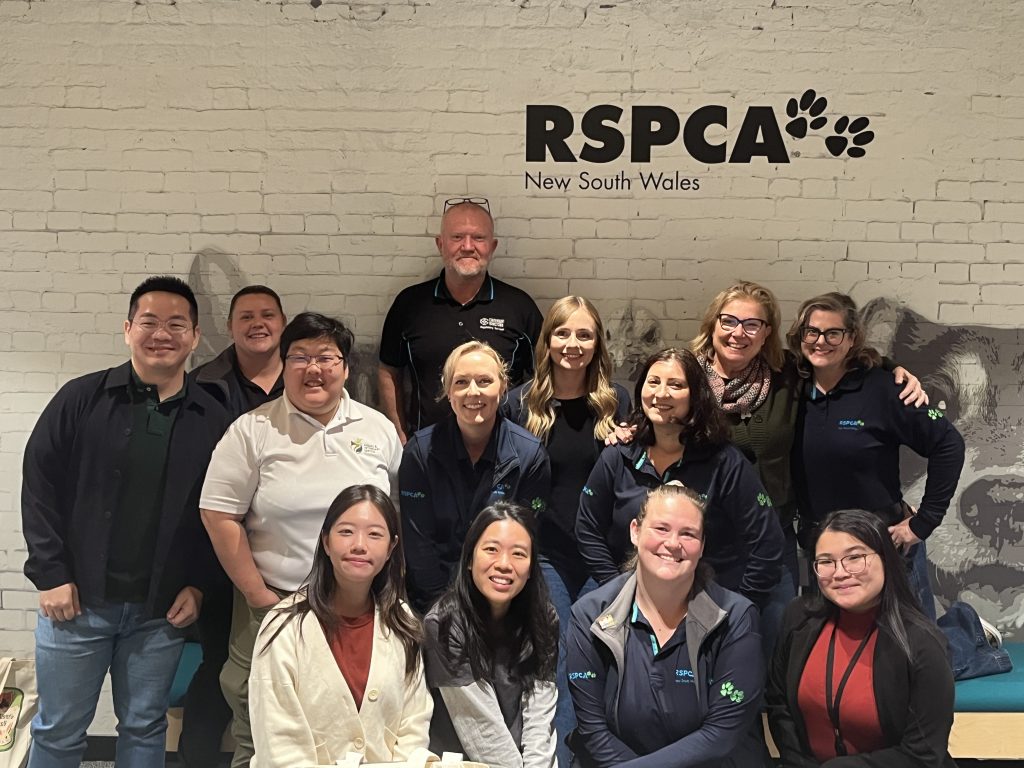
Throughout the month, we’ve worked alongside councils, including Port Stephens, Singleton, and Parramatta, to support desexing efforts, community events, and individual cats in need to veterinary care. In Singleton, for example, eight unwell cats were surrendered to us for treatment. Their situation, emblematic of hundreds of strays and roaming pets across the state, highlights how quickly things can escalate when support isn’t accessible.
Council partnerships allow us to respond to a wide range of situations, from early intervention through to more complex welfare cases, and ensure both cats and the people caring for them are supported.

Understanding Cat Populations in the Blue Mountains
Alongside this on-the-ground work, we’re continuing to build a stronger evidence base to guide our approach.
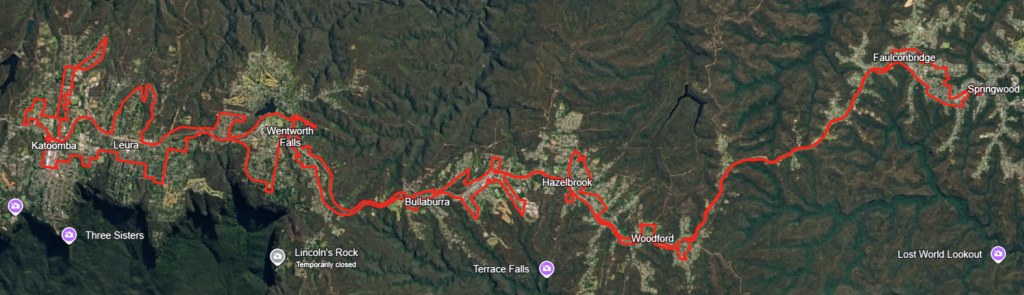
This month, we undertook cat population monitoring in the Blue Mountains using a methodology adapted from ecological field research. The team slowly drove an 80km route each afternoon over four consecutive days, recording sightings of free-roaming cats.
This is the third time we’ve completed this survey in the Blue Mountains, first in 2021, again in 2024 as part of the initial phase of the program, and now in 2026. While the latest data is still being analysed, earlier results showed a 50% reduction in cat encounter rates between 2021 and 2024.
This work is part of an ongoing research collaboration with Dr Brooke Kennedy, an anthrozoologist from the University of New England, and will help us better understand how programs like Keeping Cats Safe at Home are influencing cat populations over time.
Making It Easier to Keep Cats Safe at Home
Encouraging safe-at-home lifestyles also means making it easier for people to take that step.
This month, we ran a large-scale competition for 70 cat enclosures across several council areas, helping remove barriers for cat owners who want to keep their cats out of harm’s way. We’ve also been working with behaviour change specialists to develop new campaigns that encourage and support people to make practical, lasting changes.
Our messaging continues to reach new audiences, with campaigns highlighting the realities of roaming and the benefits of keeping cats safe at home.
Looking Ahead
What stands out most this month is that change doesn’t have to be overwhelming.
For many people, it can start with a single decision, whether that’s desexing their cat, setting up a safe space at home, or reaching out for support. From there, those small steps build into something much bigger.
As a program, our role is to make those steps easier, more accessible, and more achievable for the communities we work with.
Because when cats are safe at home, they’re not just protected, they’re healthier, more settled, and better able to thrive. And that’s something worth working toward.