Many everyday foods that seem harmless to us can be extremely dangerous for pets. Knowing what food should dogs not eat is essential for keeping your dog safe and preventing accidental poisoning or digestive issues. From well‑known dangers like chocolate and grapes to hidden risks such as xylitol, macadamia nuts and certain fruits or vegetables, even small amounts can cause serious harm.
Understanding what foods are toxic to dogs, what foods are harmful to dogs, and how to avoid these common household dangers will help protect your pet every day. Whether you’re preparing snacks, sharing a meal or keeping curious dogs away from the pantry, this guide outlines the most important foods to avoid and the steps to take if your dog eats something unsafe.
You can also find other more great tips on caring your dog.
Why Chocolate Is Toxic to Dogs
A treat for us, but trouble for pets. Chocolate contains a substance called theobromine, which animals’ bodies struggle to process. So, please be kind and stash those chocolatey goodies somewhere safe.
Why you should never give your dog alcohol
Even just a small amount can cause intoxication, leading to coordination problems, vomiting, and worse. Let’s keep the party drinks far away from our furry friends.
Common household foods that can be toxic to dogs – Chives, Onions and garlic
While these ingredients make our food tasty, they can spell disaster for our pets. Onions and garlic contain compounds that can damage their red blood cells. Some pet foods and treats do contain small quantities of chives and garlic, so should not cause a problem. However, animals definitely shouldn’t eat these foods in large amounts, as they can cause gastrointestinal irritation and red blood cell damage.
Are Citrus Fruits Safe for Dogs? Why Citrus Can Be Harmful
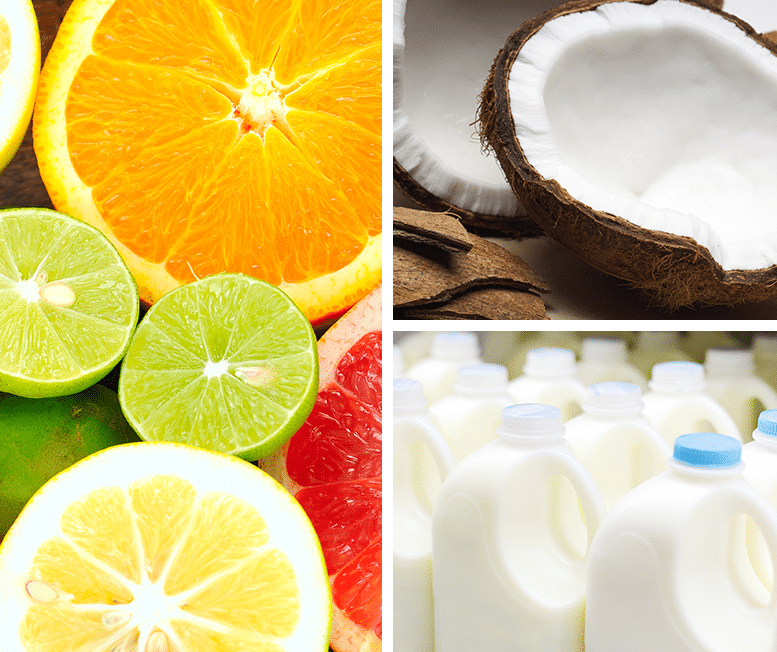
The fruit, leaves, peel, seeds and stems of citrus plants all contain citric acid in varying amounts. While small amounts will probably just cause a minor stomach upset, large amounts can cause diarrhoea, irritation, vomiting, or even central nervous system depression. Fruits to avoid include grapefruits, lemons, limes and oranges.
Is Coconut Safe for Dogs? Risks and Benefits of Coconut & Coconut Oil
Why Milk and Dairy Can Be Harmful for Dogs
Many people think kittens and puppies should drink milk. In fact, cow’s milk is definitely something they shouldn’t have, as both cats and dogs are lactose intolerant. Drinking it can cause cramps, diarrhoea and digestive upset.
Why Dogs Should Never Eat Mouldy Food
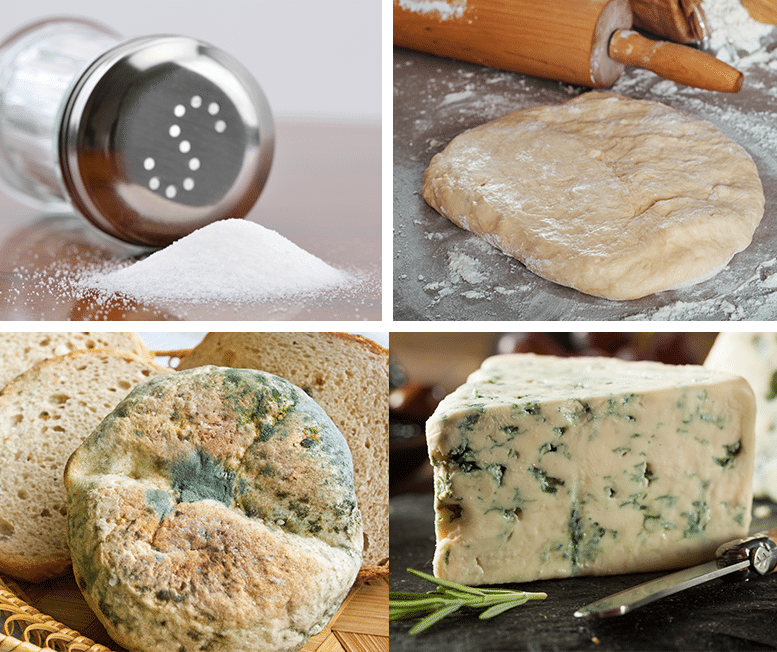
If you wouldn’t eat it, don’t let your pet eat it either! Any kind of mouldy food is really bad for pets, so it’s really important to keep them away from the rubbish or compost bin. The mycotoxins in mouldy food can cause convulsions, muscle tremors and weakness. Some dogs can have aspiration during the convulsions, which can lead to death.
Please note that while humans can eat some types of mould, such as the type contained in blue cheese, animals cannot.
Why Raw Yeast Dough Is Dangerous for Dogs
If your pet eats raw dough, the yeast can rise, causing gas in his digestive system. Not only can this be painful, it can rupture his intestines or stomach. Animals can eat cooked dough, as once the yeast has risen fully, there’s less risk of this happening. However, don’t go carb-crazy: your pet should only have small bits of bread as a treat.
High‑Salt Foods Dogs Should Not Eat (and Why Salt Is Risky)
Just like us humans, animals who consume too much salt can suffer from excessive thirst and urination. Consuming large amounts of salt can cause sodium ion poisoning, and your pet could experience depression, diarrhoea, an elevated body temperature, seizures, tremors, vomiting, and even death.
If your pet eats anything she shouldn’t have done, or displays any of the side effects listed above, RSPCA NSW advises taking them to one of our veterinary hospitals across New South Wales or to your local veterinarian as quickly as possible.