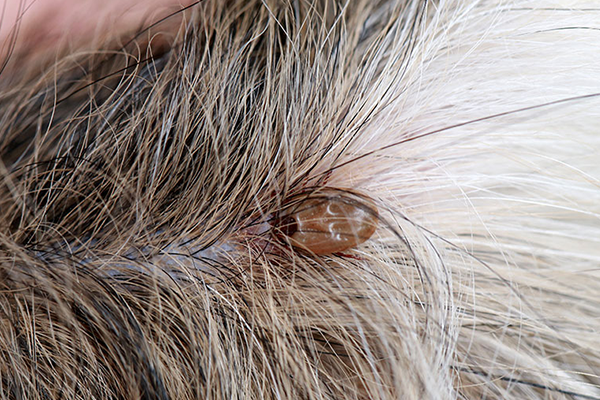
RSPCA NSW is seeing first-hand a rise in tick cases as the weather warms up. These tiny parasites can cause huge problems, including paralysis or even death for our beloved pets.
The first signs of tick paralysis include a change in bark or meow, vomiting and wobbly back legs. As the paralysis worsens, it is common to see breathing difficulties, weakness, inability to walk, loss of the ability to blink, inability to swallow and eventually, collapse. It is important to note that not all animals show the same clinical signs, and any one of these symptoms should prompt owners to seek veterinary attention immediately, especially if you live in a tick area. Without treatment, affected animals are very likely to die.
Whilst previously considered more of a summer concern, paralysis ticks are becoming increasingly prominent all-year round in NSW.
“It certainly seems like our traditional experience with paralysis ticks being a summer issue is no longer the case,” RSPCA NSW Veterinary Policy and Projects Officer Kate Drew said.
“Specialist hospitals have reported tick cases requiring intensive care treatment all through the winter months. Paralysis ticks are also now being discovered in Southern Victoria for the first time.
“It’s important to remember that ticks don’t just target dogs. Cats and small pets like rabbits and guinea pigs are also at risk.
“The best advice is to apply tick prevention all-year round. We urge owners to ensure they are staying on top of parasite prevention application by setting reminders in their calendars when these are due.
“Prevention is certainly our recommendation. Prevention is much safer for our pets and significantly cheaper for owners than treating for tick cases. There are some really effective products on the market. Pet owners should speak to their local vet about what is recommended in their area.”
On top of applying tick prevention products, it’s vital to regularly inspect your pet for ticks to make sure these nasties are spotted and removed as soon as possible. There are handy tick remover tools you can purchase at your local vet clinic and have on hand if you live in a known tick area.
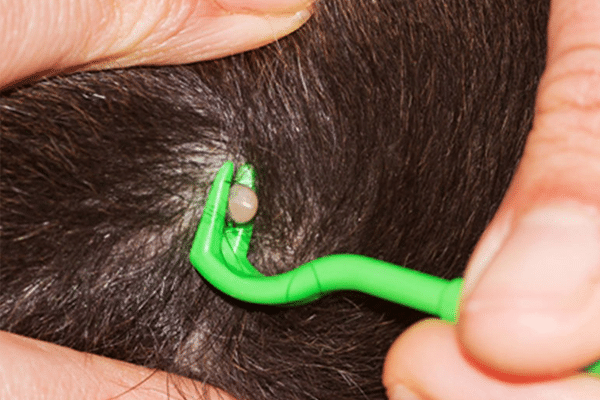
If you find a tick, remove it immediately and keep your pet calm and quiet. Keep the tick you removed in a container and take your pet (and the tick you removed) to a veterinarian as soon as possible (meaning, the same day). Tick paralysis is a life-threatening condition that requires urgent veterinary attention. Your vet will look for more ticks, as pets are usually infested with more than one tick at the same time.
Most ticks are found around the head and neck, but they can attach themselves anywhere on your pet’s body including between the toes, in the mouth or ears and around the genitals.
Tick paralysis is a preventable disease. Most cases of tick paralysis occur where owners either haven’t applied a tick prevention product, or have missed a dose. Regularly apply tick prevention to your pet, set yourself reminders, search your pet regularly for ticks and head straight to the vet if you find a tick on your pet.
If you suspect that your pet has any of the above signs or symptoms, please contact your local vet immediately.