
NSW has a diverse landscape and frequently faces extreme weather events like heat waves, drought, bushfires, severe storms, and floods. As animal guardians, it’s our shared responsibility to keep them safe.
When emergency situations arise, RSPCA NSW supports the community in various ways. We encourage pet guardians to have a holistic emergency plan in place and advise them on implementing proactive and protective measures on their property to minimise risk and protect their animals’ lives.
Here, you can learn about the work we do for flood and fire-affected communities or find out more about how you can keep your animals safe during emergencies.

Ready Pet Go Emergency Pack includes a step-by-step guide to help you prepare for crisis situations with your animals’ safety in mind. Prepare a plan to protect every member of your family, including your pets.

RSPCA NSW is seeking compassionate recruits for our volunteer Emergency Response team. The team plays a critical part in supporting both animals and pet guardians affected by bushfires and other emergencies across NSW.

Planning is a vital part of emergency preparedness and significantly increases the chances of safely evacuating your animals during stressful events like floods or bushfires.

From house fires, droughts, and storms to fireworks and toxic plants, it’s important to put preventative measures in place to make your home safe and comfortable for your pet. RSPCA NSW is committed to supporting devoted pet carers looking to keep their animals safe from hazardous, stressful, and uncomfortable situations.

This unit of competency covers the process of providing essential animal first aid, teaching students to recognise and respond to emergencies using basic first aid measures. This course is delivered in a blended format, involving both theoretical learning and face-to-face practical training.
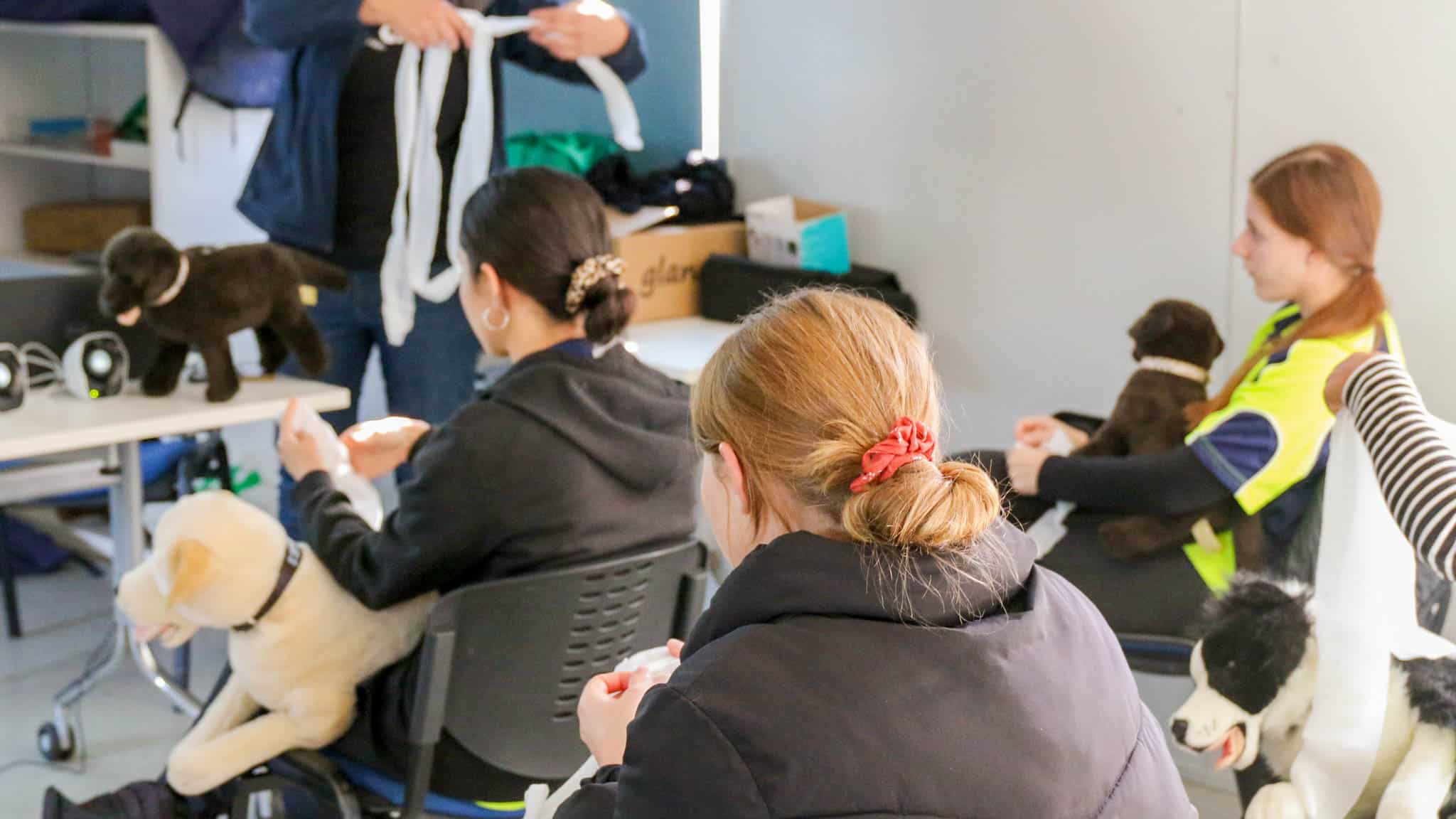
This short course is the ideal introduction to emergency response and animal first aid. It is available both online and as a practical in-personal class. It is perfect for anyone looking to gain and improve their understanding of animal first aid.
NSW has a diverse landscape and frequently faces extreme weather events like heat waves, drought, bushfires, severe storms, and floods. As animal guardians, it’s our shared responsibility to keep them safe.
When emergency situations arise, RSPCA NSW supports the community in various ways. We encourage pet guardians to have a holistic emergency plan in place and advise them on implementing proactive and protective measures on their property to minimise risk and protect their animals’ lives.
Here, you can learn about the work we do for flood and fire-affected communities or find out more about how you can keep your animals safe during emergencies.

Including your animals in your household’s emergency and evacuation plan can save your animals’ lives if an emergency arises. Just like the other members of our families, our animals should be protected, but we understand that it may be difficult to transport animals during extreme weather events.
That’s why having an emergency plan in place is critical, even if you think you might never need to evacuate, as it greatly increases the likelihood of safely transporting your animals without delay.
RSPCA NSW’s Ready Pet Go Emergency Pack includes a step-by-step guide to help you prepare for crisis situations with your animals’ safety in mind.
We encourage community members to prepare a plan to protect every member of your family, including your finned, scaly, and furry forever friends.
With specific regions still bearing the brunt of an increasing number of emergency situations, it’s become more important to support affected communities and animals than ever before. With measures like our Emergency Response Team in place, we remain committed to supporting both animals and their guardians wherever emergencies arise.

Monitor These Facebook Pages For Emergency Updates:
Check Hazards Near Me and Live Traffic apps to confirm it’s safe to travel to your pre-arranged safe location.
ABC Radio offers regular updates during emergencies.
Download the ABC listen app to access your local ABC Radio station wherever you are. Mark your local station as a “favourite” for quick access during an emergency.
Visit reception.abc.net.au to locate your local radio frequency. Write it down — for example, ABC Pilbara 603 AM — and attach it to the battery-powered radio in your emergency survival kit. You can also set this frequency as a preset on your car radio.
You can also find your local station here.
During floods, fire-related crisis, and other emergency situations, always check for updates from emergency services and traffic-monitoring apps to ensure it’s safe to travel with your animal companions. Don’t wait until the last minute to act—early preparation can save lives. If evacuation orders are given, follow them immediately.
Download the Hazards Near Me App which will include the latest warnings and information for impacted communities.
Other community services for important updates are:
Prepare an emergency kit for your animals
Just like you would pack an emergency kit for yourself, your animals need one too. Make sure it includes:
Advice for livestock owners
When creating your emergency plan, you should include how to transport all your animals if needed. Ensure you have suitable yards, loading facilities, and vehicles ready. If you need to move many animals, it’s helpful to build a network of neighbours, other livestock owners, and transport providers who can assist during emergencies. Having strong community ties is important.
When evacuating livestock, never risk the safety of yourself, others, or the animals. Avoid transporting them during active emergencies or in high-risk situations.
For livestock owners, it’s crucial to identify large animal evacuation centres in your area, typically located at showgrounds. If you’re unfamiliar with these sites, consider visiting them beforehand to familiarise yourself with the entrance and exit points, grounds, and facilities. Knowing the layout can make accessing these centres during an emergency much less stressful.
If livestock are staying on the property, ensure they have shelter with enough space for each animal and appropriate shelter from extreme weather. Attach ID tags with a contact number securely to the mane of horses or other livestock. These tags should be prepared in advance and kept in the emergency kit.
Plan your evacuation route
Identify where you can safely evacuate with your animals before Tropical Cyclone Alfred arrives. Evacuation information is starting to become available through NSW SES channels. Familiarise yourself with the evacuation centres located near you and ensure they are pet friendly. If you have larger animals, like horses or livestock, ensure you have a transport plan and know where they can be safely relocated.
Secure your property for animals staying at home
If evacuation isn’t possible, make sure your animals have the best chance of survival:
Good animal etiquette at Evacuation Centres
Who do I contact when I lose or find a pet, wildlife or need assistance with livestock?
During floods and heavy rainfall, animals may become displaced or lost when homes, sheds and fences are damaged or destroyed. Lost animals should be returned to their home property or correct ownership as soon as possible and appropriate care and treatment for any disease or injury provided.
Pack the following items in waterproof containers.
RSPCA NSW offers introductory courses on emergency and first aid response for pet owners. www.rspcansw.org/firstaid

Both before and during emergency situations, always check for updates from emergency services and traffic-monitoring apps to ensure it’s safe to travel with your animal companions. Apps like Hazards Near Me and Live Traffic NSW can help confirm whether it’s safe to depart for your pre-arranged safe location.
The Emergency+ app is a free app that helps users contact the right emergency service and share accurate location details via smartphone GPS, including latitude/longitude and what3words. It’s essential for clearly communicating precise locations during emergencies.
ABC Radio offers regular updates during emergencies. Download the ABC listen app or locate your local ABC station for use in your car and emergency preparedness kit.
Monitor the following community services for important updates during extreme weather events and other emergency situations:
Planning is a vital part of emergency preparedness, significantly increasing the chances of safely evacuating your animals during emergencies. Your emergency plan should include:
Just like you would pack an emergency kit for yourself, your animals need one too. Make sure it includes:
To help you prepare the essential items for your animal’s emergency kit, consider getting your hands on one of our Ready Pet Go packs. The pack is a starter kit designed to help you prepare your full emergency plan, allowing you to personalise your kit by preparing your pet’s medication, important paperwork, and other essential items.
To ensure your animals are ready to be transported in emergency situations, make sure that you’ve adequately prepared both your animal companions and travelling equipment. Practice travelling with your animals, including short trips to help them get comfortable with being with you on the road. For livestock animals, routinely regularly inspect your float or trailer to ensure they are in safe working order, practice loading and unloading your animals to reduce stress and build familiarity with the procedure and regularly move them in and out of safe areas to help them become accustomed to the route and environment.
There may be multiple ways to evacuate both yourself and your animals during an emergency. It’s important to identify these options beforehand and develop both a primary evacuation plan and some backup options, along with a Ready Pet Go Emergency Pack. Your preferred location might become unavailable due to factors like weather conditions, road closures, or availability of family and friends.
When arriving at an evacuation centre, make sure you inform evacuation centre staff of your animals’ arrival, especially if they are not fully vaccinated. Remember to ensure your animals have proper identification (e.g., a registered microchip) when developing your evacuation plans and emergency kit. Whenever possible, maintain your animal’s regular feeding routine to minimise stress and prevent digestive issues. However, avoid sharing water sources between your horses, livestock, and other animals to reduce the risk of illness within the evacuation centre.
Your ideal destination will depend on where you live and the type of animals you have. Regardless of your preference, it’s important to research destinations ahead of time to ensure you are accounting for the needs of your companion animals. For example, anyone evacuating with horses and livestock animals will need to have identified evacuation sites that can accommodate large animals or groups of animals. Some relocation sites include:
If you must leave your animals behind, ensure they’re free to find food and safety without your supervision. Follow these steps to prepare your animals if you need to leave them behind:
It’s easy to feel helpless when trying to assist native wildlife animals during floods or fires, but there are many steps you can take – both in your backyard and local community – to support wildlife animals during emergency situations. If you find sick or injured wildlife animals during emergency events, please contact your local wildlife organisation for urgent assistance.
You can also make a difference for native animals outside of emergency events by creating safe and thriving ecosystems for wildlife to enjoy.
By taking certain precautionary measures before extreme weather events, you can better prepare your home for emergency situations.

RSPCA NSW rehomes a range of different animals, from dogs, cats, and birds to horses, rabbits, and sheep! We believe that all creatures, great and small, can bring joy to our families and homes. Begin your adoption journey today and make an adorable lifelong friend!

By providing temporary homes for our animals, we can ensure they get the care they need until they are ready to be adopted. Join our network of foster carers for an incredibly rewarding experience; with your help, we can change the lives of some of the state’s most vulnerable animals.

We rely on our generous supporters to continue assisting the thousands of animals turning to RSPCA NSW for help. No matter how small your contribution, every gift makes a lifesaving difference for animals in need.

By raising funds and lending a hand to communities and their pets, our volunteers play a pivotal role in our work throughout NSW. If you have a genuine concern for animals and enjoy meeting like-minded people, consider becoming an RSPCA NSW volunteer today!