
RSPCA NSW’s Ready Pet Go Emergency Pack provides a practical step-by-step guide to help you prepare for crisis situations with your animals’ safety and wellbeing at the forefront.
It’s important to remember that each type of animal has unique needs during an emergency, so preparation must be tailored to each species. The sections below outline key safety considerations for companion animals, livestock, fowl, birds, and other animals in your care.
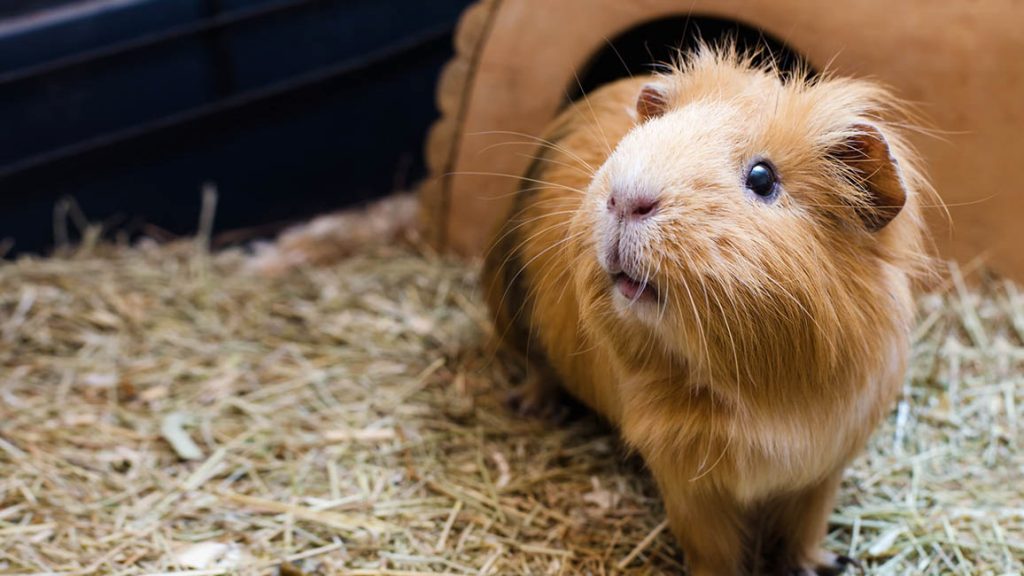
For animals who can be microchipped, like dogs and cats, it’s a good idea to make sure they’re microchipped and registered with your local council. Take care to ensure that the contact information associated with their registration is up to date. For animals who cannot be microchipped or registered, ensure they can be identified via collar, nametag, or label (with your contact details) fixed securely to their carrier or cage.
Note that any collars, tags, and labels you use to identify your pet should include your animal’s name, your name, and both a primary and backup contact number.
You should also always have your animal’s crates/carrier and leads readily accessible. It’s a good idea to familiarise your pets with crates and leads in advance to ensure they’re as comfortable with being transported in a carrier as they can be.
Planning is a vital part of emergency preparedness. An emergency kit, such as RSPCA NSW’s Ready Pet Go pack, can significantly benefit you and your animal during emergencies like bushfires or floods. An emergency kit should include:
In addition to having an emergency kit, owners should have plans in place for transporting their animals in emergencies. Pets should be familiarised with your chosen transport method prior to an emergency to reduce stress and streamline your evacuation.
Fish are highly susceptible to stress, so it’s important to minimise it as much as possible.
Preparing a transport plan and kit for your fish is essential. It will ensure that you have everything you need to be able to evacuate quickly.
Required Supplies:
Lidded, plastic containers that are non-toxic and thoroughly cleaned. The number and size of the containers needed depends on the number and size of your fish; multiple containers may be needed.
Battery-operated Aquarium Pump. Pumps are essential to captive aquatic animals as waste products can quickly accumulate. Oxygen supplies in temporary containers will also be quickly diminished. You will require one pump per container, along with an air-stone.
Preparation Steps:
Feeding Guidelines:
Water Change Protocol:
Consult experienced aquarists or fish veterinarians for more information on emergency preparedness.
Reptiles, including snakes and lizards, require a well-ventilated container with a secure lid. Prepare a lightweight, escape-proof emergency container for each reptile, ensuring there are adequate ventilation holes that are small enough to prevent escapes.
For larger reptiles, a dog or cat carrier is suitable. They should be relocated to an appropriate enclosure as soon as possible. Additionally, assemble an emergency kit tailored to meet the specific needs of your reptiles.
Essential Kit for Lizards and Snakes:
Be aware that some locations may not allow reptiles.
Container Requirements for Turtles:
Specific Needs for Turtle Care:
Emergency Kit Additions for Turtles:
Watch for signs of stress or health issues during transport, as turtles can be sensitive to changes in environment.
Bushfire preparedness
Flood preparedness
Property Identification Code (PIC)
In NSW, it’s legally required for any property with livestock to have a registered Property Identification Code (PIC), whether the animals are being moved, traded, agisted, kept as pets, or simply living on the property for any reason.
Having a PIC is crucial for livestock—it could be the very thing that helps save them in an emergency. The types of livestock this applies to includes:
A PIC allows all movements of livestock to sale, slaughter, or any other property to be monitored and recorded on the NLIS database and traced when required.
In the event of an emergency or disease outbreak, knowing the location of livestock allows for the immediate distribution of information to owners and could save animals lives.
Apply for a property identification code at Local Land ServicesIt’s easy to feel helpless when trying to assist native animals in addition to your own, but there are many actions you can take both in your backyard and wider community to support them during events like heat waves and drought.
If you find sick or injured wildlife during emergency situations, please contact your local wildlife organisation for assistance.
Outside of these times, however, simply considering the following can reduce the impact of extreme weather on wildlife animals near your home:
A bird bath is a great addition to any garden. Ensure the water is changed regularly to prevent contamination and algae growth. Otherwise, leave out shallow bowls of fresh water for wildlife. Scatter the bowls in different locations including high up off the ground.
On hot days, consider turning on the sprinkler to give local animals a chance to cool down. This can provide relief and help them regulate their body temperature.
Set up shaded areas using trees, plants, or structures. Install bird houses, nesting boxes, and other shelters to provide refuge for wildlife during storms and extreme weather events.
RSPCA NSW strongly urges the public to refrain from giving wildlife animals food as it can make them sick and lead to dependency on humans, changing their natural behaviours.
During bushfires and drought, local authorities and wildlife groups will be working to provide help to native animals, so there’s no need to intervene by providing food of your own. If you are concerned about a particular animal, please contact your local wildlife organisation.
Identify the wildlife species in your area to understand their food preferences. This can help you choose which native plants to plant in order to provide animals with food and shelter. Select plants that attract pollinators, such as bees, to support a healthy and diverse ecosystem.
Pesticides and chemicals can be harmful to wildlife. Instead, choose natural pest control methods. Research plants in your garden that deter specific pests. For instance, sage still attracts bees while repelling many insect pests.
Not only does keeping cats indoors safeguard them from hazards like run-ins with cars, but it can also protect wildlife animals from being hunted by your feline friend. By offering plenty of indoor enrichment, you can reduce your cat’s desire to roam, allowing them to safely enjoy watching wildlife from the comfort of your home.
For more tips on cat enrichment and keeping your feline friend indoors, please visit our Keeping Cats Safe at Home project page.
Creating a protective space around your home and your animals can be a greatly effective preventative measure. By removing flammable materials and creating clear evacuation routes, your proactive efforts will make it easier to ensure the safety of your beloved animal companions.
We recommend taking the following safety precautions to prepare your home for emergency events like bushfires and floods:
Planning is a vital part of emergency preparedness and significantly increases the chances of safely evacuating your animals during stressful events like floods or bushfires. Ensuring you have the transportation equipment and list of possible destinations prepared ahead of time can make all the difference if you and your family have to evacuate.
Creating an emergency kit can also make it easier to evacuate your animals, as preparing essential items (like food and medications) can make it easier to get every member of your family to safety. That’s why we created our Ready Pet Go packs, which include a step-by-step guide to help you prepare your emergency plan.
In addition to preparing your emergency kit and planning evacuation routes, you can prepare your animals for travel by implementing the following strategies:
There may be multiple ways to evacuate both yourself and your animals during an emergency. It’s important to identify these options beforehand and include both a primary plan and some backup options in your Ready Pet GO Emergency Pack.
Your preferred location might become unavailable due to factors like changing weather conditions, road closures, or changes in the ability of friends or family to host you. The best relocation option depends on your location and the type of animals you have.
Some options include:
It’s essential to research these options ahead of time to ensure you’re prepared.
Livestock
When creating your emergency plan, you should include how to transport all your animals if needed. Ensure you have suitable yards, loading facilities, and vehicles ready. If you need to move a large number of animals, it’s helpful to build a network of neighbours, other livestock owners, and transport providers who can assist during emergencies. Having strong community ties is important.
When evacuating livestock, never risk the safety of yourself, others, or the animals. Avoid transporting them during active emergencies or in high-risk situations.
For livestock owners, it’s crucial to identify large animal evacuation centres in your area, typically located at showgrounds. If you’re unfamiliar with these sites, consider visiting them beforehand to familiarise yourself with the entrance and exit points, grounds, and facilities. Knowing the layout can make accessing these centres during an emergency much less stressful.
If livestock are staying on the property, ensure they have shelter with enough space for each animal and appropriate shelter from extreme weather. Attach ID tags with a contact number securely to the mane of horses or other livestock. These tags should be prepared in advance and kept in the emergency kit. For horses, remove all rugs, fly veils, and nylon halters, as these materials can melt in extreme heat, causing severe burns.
Before leaving, make sure fences and paddocks allow animals to escape to safer areas if needed. You may need to leave gates open or cut fences to facilitate animal movement. Ensure animals aren’t tethered to structures and are not wearing equipment like halters or ropes that could get caught or melt and cause injury. Also, turn off all power to avoid electrical or fire hazards that could put animals at risk.
Good animal etiquette at Evacuation Centres
If must leave your animals behind, follow these steps:


Ready Pet Go Emergency Pack includes a step-by-step guide to help you prepare for crisis situations with your animals’ safety in mind. Prepare a plan to protect every member of your family, including your pets.

From house fires, droughts, and storms to fireworks and toxic plants, it’s important to put preventative measures in place to make your home safe and comfortable for your pet. RSPCA NSW is committed to supporting devoted pet carers looking to keep their animals safe from hazardous, stressful, and uncomfortable situations.


RSPCA NSW rehomes a range of different animals, from dogs, cats, and birds to horses, rabbits, and sheep! We believe that all creatures, great and small, can bring joy to our families and homes. Begin your adoption journey today and make an adorable lifelong friend!

By providing temporary homes for our animals, we can ensure they get the care they need until they are ready to be adopted. Join our network of foster carers for an incredibly rewarding experience; with your help, we can change the lives of some of the state’s most vulnerable animals.

We rely on our generous supporters to continue assisting the thousands of animals turning to RSPCA NSW for help. No matter how small your contribution, every gift makes a lifesaving difference for animals in need.

By raising funds and lending a hand to communities and their pets, our volunteers play a pivotal role in our work throughout NSW. If you have a genuine concern for animals and enjoy meeting like-minded people, consider becoming an RSPCA NSW volunteer today!