It’s easy to assume that our pets and livestock feel the cold the same way we do. However, the truth is far more interesting and complex. Animals have their own “comfort zones,” known as the thermoneutral zone (TNZ), understanding these zones is essential to keeping your animal happy and warm this winter.
What Is the Thermoneutral Zone?
The thermoneutral zone is the temperature range of within which an animal can maintain its body temperature without needing to use extra energy to warm themselves up or cool themselves down.
Thermoneutral Zones for Common Animals
Some of these may surprise you:
- Rabbits: 15–21°C
- Horses: 5–25°C
- Dogs: 20–30°C
- Birds: 25–30°C (may be higher in tropical species and lower in passerines and poultry)
- Cats: 30–38°C
However, these ranges can vary based on factors like age, health, and acclimatisation. Whether the animal is exposed to wind or rain will also affect how comfortable they are.
Understanding the TNZ for various species can help animal guardians provide appropriate care during colder weather.
Birds, particularly poultry, are especially susceptible to cold stress. Maintaining a consistent temperature within their TNZ is crucial for optimal health and productivity. Inadequate heating or sudden temperature fluctuations can not only lead to stress but can also make them more susceptible to disease.
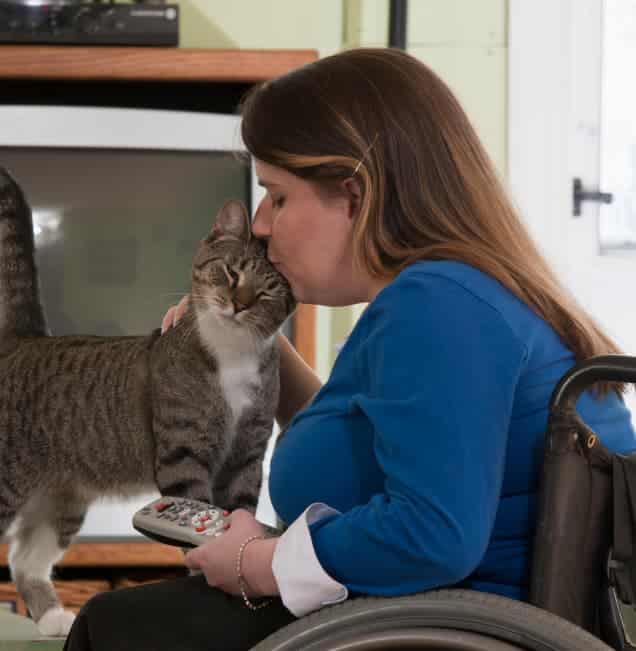
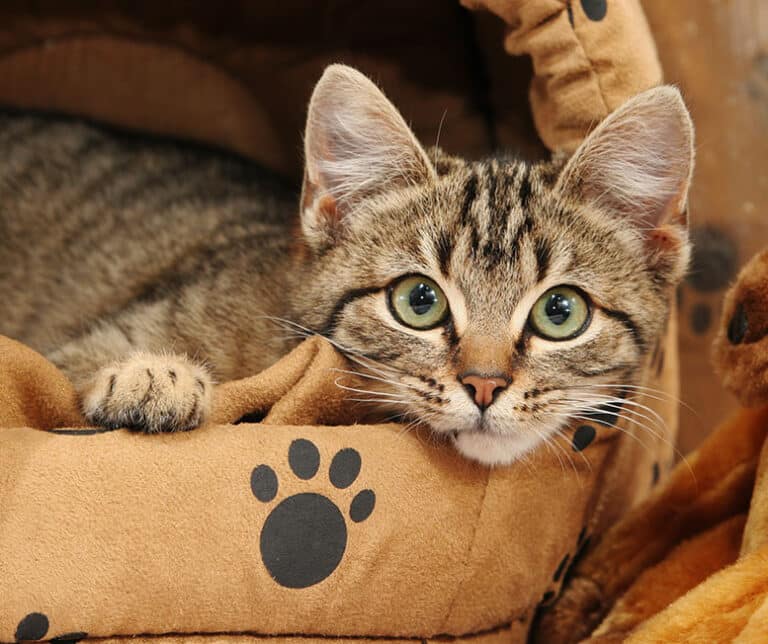
Cats are also more likely to feel the cold, as they like to be toasty warm with a TNZ of over 30oC. Many people notice their cats are more affectionate in winter, while they try and snuggle up to their humans for warmth.
Tips to Protect Animals During Winter
To ensure the well-being of your pets and livestock during colder months:
- Provide Adequate Shelter: Ensure animals have access to dry, windproof, shelters. Some shelters can be insulated, and this will provide further protection for your animals. For animals that can be brought inside, consider moving them indoors.
- Limit Exposure: Reduce time spent outdoors during extreme cold spells if possible. Where this isn’t possible, consider other ways to help keep them warm like those described below.
- Maintain Proper Nutrition: Animals may require an increase in food intake to meet higher energy demands required to keep themselves warm. For ruminants and horses that are usually kept outside, providing increased forage that can be eaten overnight will help these animals keep themselves warm. This is especially important in late winter, when pastures have been grazed and there is no new growth yet. Allowing animals to move around freely will also help them be able to keep themselves comfortable.
- Monitor Health Regularly: Check for signs of weight loss, which may indicate your animal is using more energy than usual to keep themselves warm.
- Use Appropriate Bedding: Provide straw or hay for bedding to retain body heat. Old towels and blankets can provide great support for animals (so long as the animals don’t chew or eat them).
As temperatures continue to fluctuate, your understanding of your animals’ thermoneutral zones can greatly impact the way in which you’re meeting their welfare needs. Just because you’re cold doesn’t mean your animal is (like horses). And for some species (like cats), just because you are warm, doesn’t mean they are!
By providing appropriate shelter and nutrition, and monitoring your animals closely, you can help mitigate the effects of cold stress and ensure the health and well–being of both your pets and livestock animals this winter.