A Keeping Cats Safe at Home Update: Desexing in Action Across NSW
As both an RSPCA NSW vet nurse and Keeping Cats Safe at Home Desexing Coordinator for the Hunter region, I’ve witnessed first-hand how desexing pets and strays can turn desperate situations into stories of real and lasting progress. Desexing is not just a routine veterinary procedure: when complemented by collaboration and community support, it can be the turning point that completely alters the course of a cat’s life.
Across NSW, our team has been busy working alongside councils, veterinary clinics, community carers, and volunteers to trap, transport, and desex cats. Sometimes, our efforts take the form of coordinated large-scale operations. Other times, it manifests in something as simple as a conversation.
Desexing Starts with Community
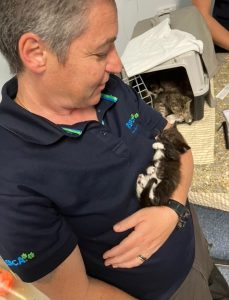
Many of the cats we encounter are part of small neighbourhood colonies. These cats are often fed by locals who, despite caring deeply for their welfare, may not have the resources to organise veterinary care for so many cats. Empowering these carers to access desexing services is a huge part of what we do. Whether it’s helping organise appointments, providing traps, or transporting cats to local clinics, sometimes that little bit of support is all it takes to stop things from spiralling and improve the welfare of local cats.
In my experience, colony carers overwhelmingly want to do the right thing for the cats in their care, they just need the right support to make it possible. Once desexing begins within a colony, the difference can be remarkable. Litters stop appearing, cats become healthier, and carers often feel a huge sense of relief knowing their situation is finally becoming manageable.
Moments from the Field
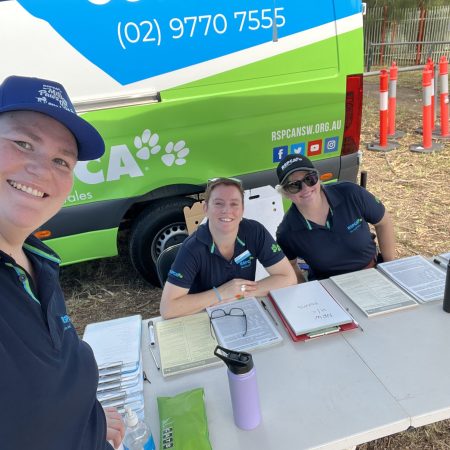
Some of the moments that stay with you don’t show up in the numbers. These arise from priceless interactions like a resident proudly showing us the cat they’ve been feeding for years, relieved that help has finally arrived, or the quiet moment after a cat is released back into its familiar territory, now desexed, vaccinated, and freed from the cycle of uncontrolled breeding.
There are also the moments that show us just how committed people are to their neighbourhood cats. Whether they’re checking traps late at night, transporting a cat to the vet, or making room for a recovering cat, their small acts of kindness really do make a difference for cats across NSW.
When Desexing Changes the Whole Picture
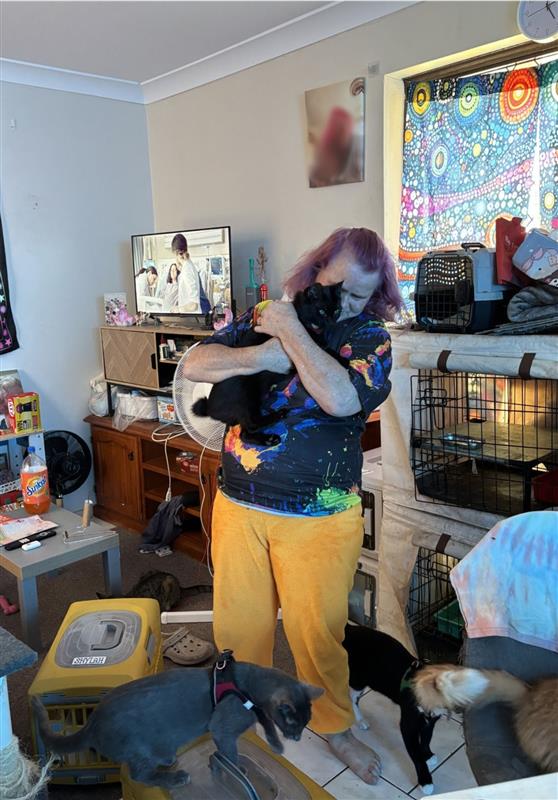
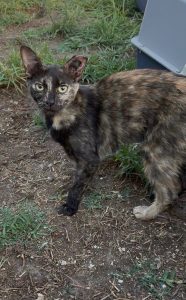
One of the most complex cases we recently supported involved Simone, who was caring for 28 cats in a small Campbelltown apartment. With so many animals living in close quarters, the risk of further litters and declining welfare was high.
Through the StrayCare program, we worked with Campbelltown City Council, Simone’s social worker, and Sydney University Veterinary Hospital to coordinate desexing appointments for each of Simone’s cats. Transport assistance was organised to ensure the cats could reach the clinic while our team provided them with food to further support their care.
Over time, all 28 cats were successfully desexed.
Along the way, additional sources of support rallied to continue improving their lives. A Senior Manager of one of RSPCA NSW’s volunteer branches kindly helped cover the cost of a much-needed dental surgery for one of the cats, Shyllaw, while Sydney University Veterinary Hospital began supporting ongoing treatment as part of a trial veterinary program. Cases like this show how important it is to work together: they happen when councils, vets, volunteers, and animal welfare groups work together toward a shared goal.
Dedication in the Community
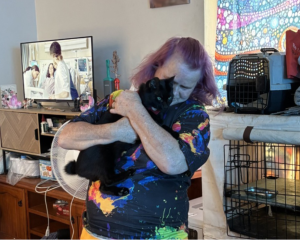
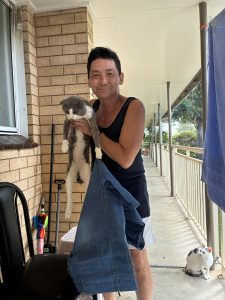
I’m continually amazed by the dedication displayed by the cat colony carers we encounter on the road. During a recent visit to Liverpool Council, our team was introduced to Danny, who was looking after a group of around 20 neighbourhood cats. Determined to keep them healthy and safe, he had already begun taking cats to be desexed, catching the bus to the vet and walking them home in a trolley afterward.
His gratitude for our support and the love he felt for these cats was incredibly inspiring and heartwarming to behold. For carers like Danny, access to desexing services can be the difference between feeling overwhelmed and feeling empowered to care for the cats responsibly.
Desexing Days and On-the-Ground Work
The start of 2026 has been incredibly busy for the team, with more than 100 house visits across Sydney and throughout the Hunter region to assess colonies, trap cats, and coordinate veterinary care.
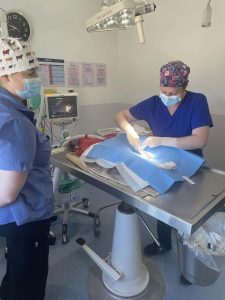
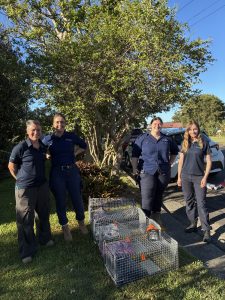
One major highlight was a large-scale desexing day organised by Sydney University Veterinary Hospital, where 23 cats from a single property were desexed and microchipped. Coordinating the trapping effort the day before required a huge team effort between the Keeping Cats Safe at Home and Camden Council staff but preventing dozens of future litters in a single day made every bit of that work worthwhile.
Not every case has a happy ending, however. One injured stray collected from the same property was suffering from severe illness and could barely eat. After assessment at the clinic, the kindest outcome was humane euthanasia. While decisions like these are difficult, they reinforce why early intervention and desexing are integral to preventing long term suffering in our cats.
A Vet Nurse Perspective
My experience as a vet nurse offers me unique insight into why our project matters so much. In the clinic, we often see the consequences of uncontrolled breeding, with cats arriving underweight, injured from fighting, pregnant far too young, or suffering from preventable diseases.
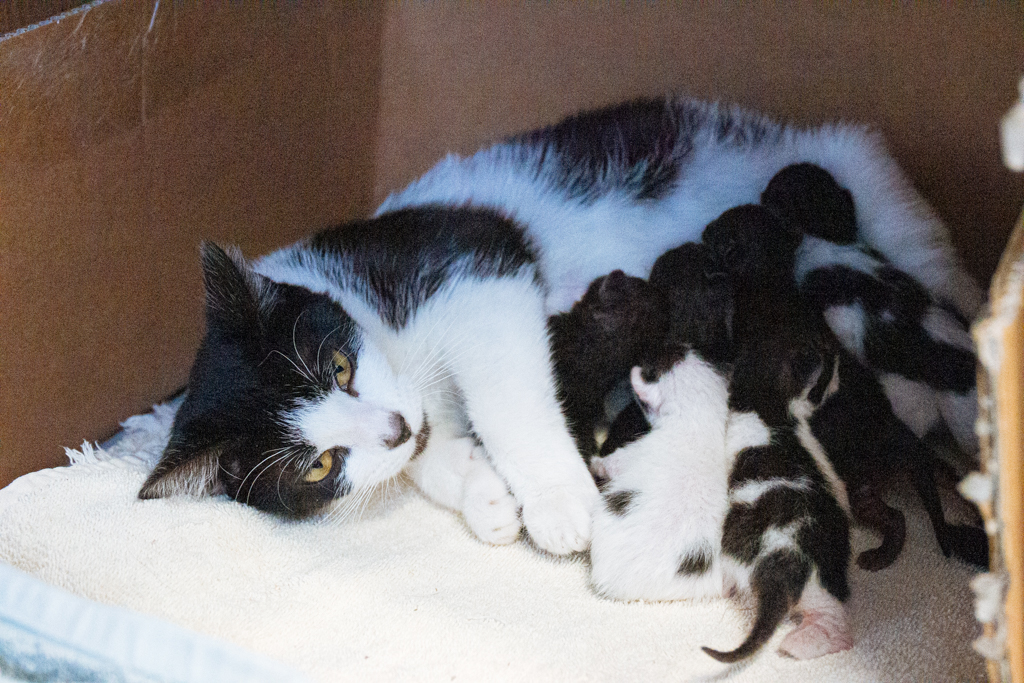
Thankfully, our work also allows us to see the flip side: the success stories that remind us why we do what we do. A cat that arrives frightened and unwell can leave the clinic desexed, vaccinated, and on a completely different path. Sometimes it means they can safely return to their colony; other times it’s the first step toward adoption and finding a loving forever home.
Every cat that is desexed represents dozens, sometimes hundreds, of kittens that will never have to struggle for survival. Being able to see that impact both in the clinic and out in the community is what makes this work so rewarding.
Sharing the Message
Alongside the hands-on work that happens in the field, a lot of effort has also gone into expanding how we share the message about responsible cat care and the importance of desexing. Since the year began, we’ve run two competitions for NSW residents to win Catnet enclosures, encouraging cat owners to think about adopting safe-at-home lifestyles for their pets. The response was incredible, with hundreds of entries from cat owners across the state.
Across our digital channels, our messaging around responsible cat care has now reached almost 500,000 accounts, raising vital awareness about desexing, safe-at-home lifestyles, and the resources available through the KCSAH program. We’ve also collaborated with external agencies to develop new creative assets and support media campaigns, helping us reach even more communities with practical information and support.
Preventing the Next Generation
The program’s work doesn’t stop at desexing alone. Many of the properties we attend also have kittens requiring support, health checks, or rehoming pathways.
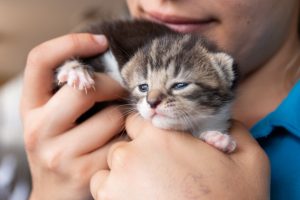
In Yagoona, three young kittens were recently brought in for pre-intake health assessments before moving into our shelter for eventual adoption. At another property in Oran Park, team members worked with council and rescue groups to safely trap several kittens and transfer them to foster care.
By desexing the adult cats in these colonies, we dramatically reduce the number of kittens born in the future, helping prevent the cycle of breeding that can quickly overwhelm both carers and rescue organisations.
Desexing Behind the Scenes
While much of the work happens out in the field, there is also a huge amount happening behind the scenes.
Our team has been expanding partnerships with veterinary clinics across NSW to help meet the growing demand for desexing appointments. We’ve also been supporting research into cats and wildlife by installing camera monitoring in the Blue Mountains and Campbelltown with the aim of broadening our understanding of how responsible cat management benefits both cats and local ecosystems.
Education remains another key focus. Through school holiday programs, more than 100 students recently learned about responsible cat care and the importance of desexing, helping ensure the next generation understands how to support cats in their communities.
Even our children’s book, Stay Safe Clancy, has been spreading the message further, with copies resting on shelves in over 70 libraries across NSW.
Looking Ahead
Whether it’s a large desexing day or a one-on-one conversation, every step helps move us closer to a future where fewer cats are born into hardship.
As both a vet nurse and a Desexing Coordinator, I see every day that desexing is one of the simplest and most effective ways we can improve animal welfare. It prevents suffering before it begins, supports carers doing their best to help community cats, and creates lasting change for both animals and the communities they live in.
What’s been most inspiring is seeing how many people are willing to be part of that change, from councils and veterinarians to volunteers and residents who simply care about the cats in their neighbourhood.
Together, through compassion, collaboration and a commitment to desexing, we’re proving that real, lasting progress for cats across NSW is possible. 🐾
Emily G
Desexing Coordinator
Keeping Cats Safe at Home RSPCA NSW