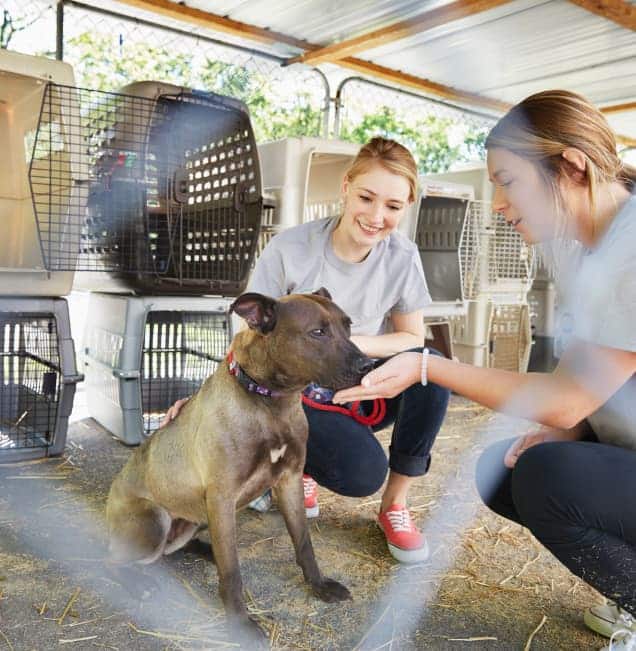
If you’ve found a stray dog or stray cat wandering in your neighbourhood, your first instinct might be to contact RSPCA NSW for help. But under NSW law, local councils are the primary authority responsible for managing stray animals, including collecting roaming pets, scanning for microchips and helping reunite lost animals with their families.
Knowing who to call — and when — ensures every stray or abandoned dog or cat receives the right support as quickly as possible. Understanding the difference between council responsibilities and when to contact RSPCA NSW helps injured animals get urgent care, keeps communities safe, and gives lost pets the best chance of getting home.
Who is legally responsible for stray animals in NSW? Under the NSW Companion Animals Act 1998 (CAA), local councils are the primary authority responsible for the management of stray and roaming companion animals. This includes: What about RSPCA NSW? At RSPCA NSW, we know many people turn to us for help with animals in need. For healthy stray animals, though, we arent the primary authority and your local council should be the first point of contact. Here’s what you need to know: Why it’s best to go directly to your local council If you’ve found a healthy stray animal, taking it directly to your local council is the fastest and most effective way to help them. Here’s why: What happens if you bring a stray to an RSPCA NSW shelter? If a healthy stray is brought to one of our shelters, we are obligated to notify and transfer the animal to the relevant council within 72 hours. This means that the animal is exposed to additional transport and handling, which can create unnecessary stress for them. It also means that our resources are diverted from cruelty prevention and veterinary care. What if the animal is injured? If a stray animal is injured, in distress, or in need of urgent veterinary care, you can bring it to an RSPCA NSW veterinary hospital. Our veterinary teams will provide them with the necessary care and treatment required. Not sure who your local council is? If you’re unsure which council your address may fall under, you can use the handy local government finder tool here.