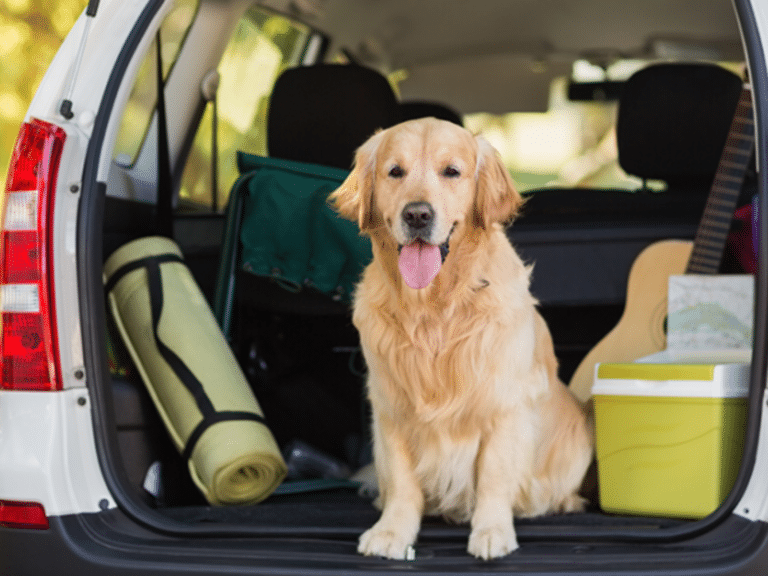
Travelling with a dog, cat or other animal by your side this holiday season can be an exciting and enjoyable experience. However, it is incredibly important to ensure your companion animal is safe, happy and healthy on these long trips. Luckily, we have some advice for how to ensure your furry friend can enjoy their time away as much as you do.
Microchip, Health and Vaccinations
Before you hit the road you should make sure that your animal is up to date with worming, flea treatments and vaccinations. You should also double check your microchip details and update them if necessary and provide them with a collar or identification device with your contact details affixed so that if your animal companion does accidentally wander astray, there is more chance of them being returned to you. If you know your pet is an anxious traveller, then your veterinarian can also provide you with some advice.
What to Pack When Travelling With a Dog or Companion Animal
- Comfortable bedding
- Their favourite toys
- Travel crate
- Collar and lead or harness
- Food and treats
- Water bowls (be sure to pack enough bottled water – in case there are no taps along the way)
- Grooming equipment – a towel in case your pet gets wet
- Pooper scooper and plastic bags
- Pet first aid kit (any medications they regularly take)
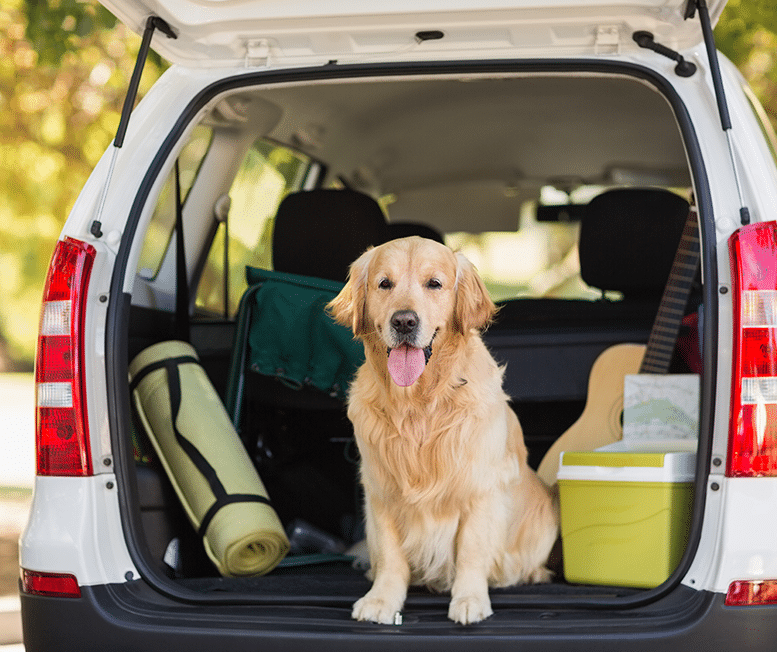
Safe Travel Restraints for Dogs and Other Pets
When travelling with a dog or cat, you need to ensure your animal is properly restrained for the entirety of the time the vehicle is moving.
Commonly, the restraint should attach onto the seat belt and pooch’s collar/harness. Your dog should still be able to comfortably lie down, move and stretch.
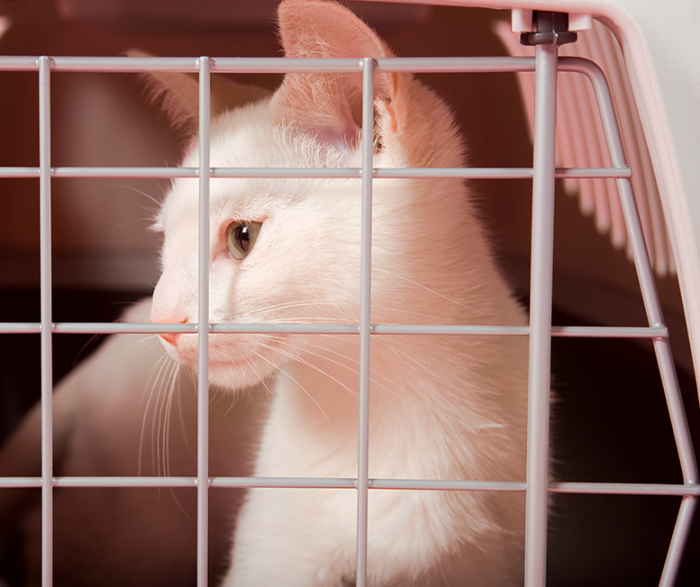
Cats must travel in a secure carrier. These should be big enough for them to sit, stretch, stand and lie down in comfortably. Never place your cat’s carrier in the boot of your vehicle. This also applies to pocket pets.
And don’t forget that any crate must be secured firmly into your vehicle using straps or a fastened seatbelt.
Taking Breaks When Travelling With a Dog or Other Animal
Your animal must have adequate toilet breaks to stretch their legs and exercise. They must also be provided with food and water throughout the trip.
Rest areas are a great opportunity for you and your travelling companions to enjoy a break, stretch your legs, and sniff about. Ensure your pooch remains on their leash at all times, as to keep them safe around the moving traffic on the road.
Important Safety Tips for Travelling With Pets
You should never leave your pets inside of your vehicle whilst unattended throughout your trip. Sudden changes in weather, the presence of strange and new people, places and other animals passing by can cause distress and anxiety for them.
If you think you’re animal is having a difficult time travelling, find a veterinarian nearby and you can always ask for assistance along the way.
Training Your Dog to Feel Comfortable Travelling in the Car
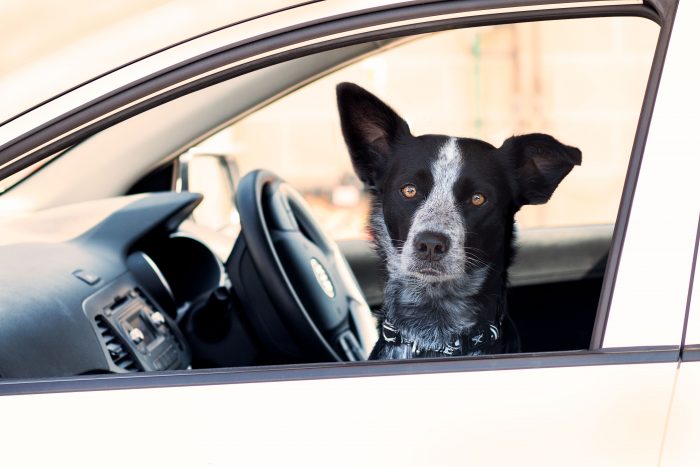
Helping your dog become confident and relaxed in the car can make road trips safer and much more enjoyable. If your dog isn’t used to travelling, it’s a good idea to introduce the car gradually and positively. Start by letting them explore the stationary car at their own pace, offering treats and praise to build a positive association.
Once they seem comfortable, begin taking very short drives and slowly increase the duration over time. Keep sessions calm and reward‑based to prevent stress or motion discomfort. This slow introduction is particularly important for dogs who are anxious or new to car travel.
If your dog experiences ongoing stress — such as panting, whining, or restlessness — speak to your veterinarian. They can help rule out motion sickness and provide advice tailored to your dog’s needs.
To read RSPCA Australia’s policy regarding the transportation of animals, click here.