Why Desexing Matters: Supporting Healthier Cats and Communities
Desexing is one of the most important steps you can take for your cat’s health, wellbeing, and long-term safety. Beyond preventing unplanned litters, desexing offers significant health benefits, supports safer and calmer behaviours, and plays a key role in reducing the number of animals entering shelters and pounds. Understanding the full benefits of desexing can help cat carers make informed decisions that improve the lives of their own companions while supporting the wider community.
What Is Desexing?
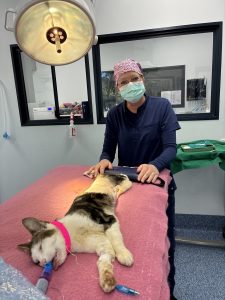
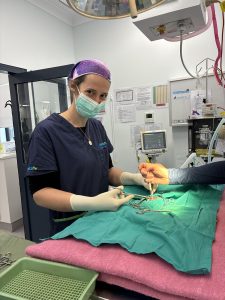
Desexing, also known as sterilisation or neutering, is a surgical procedure performed by a qualified veterinarian to permanently prevent an animal from reproducing. In males, this involves the removal of the testicles, known as castration. In females, the procedure typically involves removing the ovaries and often the uterus, a procedure called spaying, which can be performed as an ovariohysterectomy (removing both ovaries and uterus) or an ovariectomy (removing just the ovaries). (Urfer & Kaeberlein, 2019)
The surgery is performed under general anaesthetic, and veterinarians take careful steps to manage pain and ensure a smooth recovery. The best age to desex kittens is generally before they reach sexual maturity at 16 weeks of age (Why Should I Have My Cat Desexed? 2025). Desexing before puberty offers additional welfare benefits, including shorter anaesthetic and surgery times, smaller incisions, minimal tissue trauma, and a quicker recovery. Desexed kittens often fully recover within two weeks, allowing them to return to normal activity while ensuring their reproductive capability is permanently removed.
While surgical desexing is the most common method, other sterilisation techniques exist, including gonad-sparing procedures or chemical and hormonal interventions (Urfer & Kaeberlein, 2019). The most appropriate method of desexing depends on the species, age, health, and individual circumstances, and should always be discussed with a veterinarian.
Why Desexing Is Important
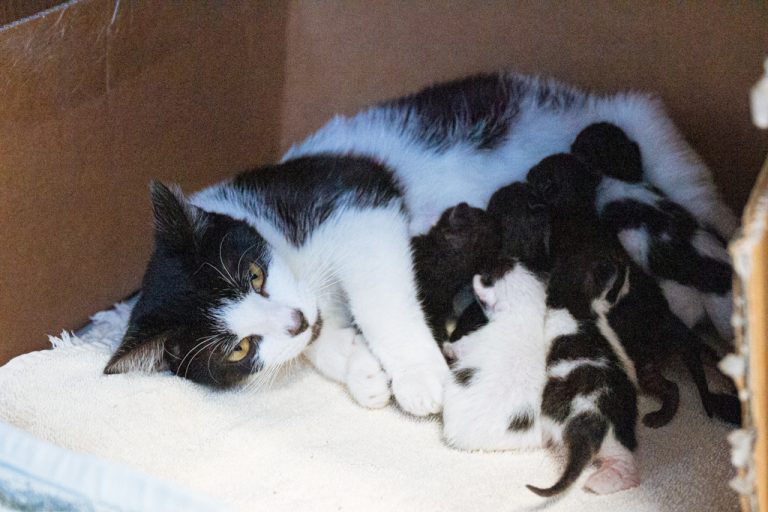
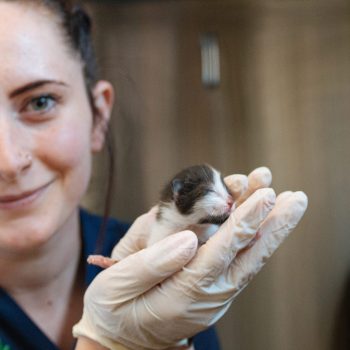
Unplanned litters contribute significantly to the overpopulation of cats and dogs. In just two years, one female cat and her offspring can produce up to 50 cats (RSPCA Knowledgebase 2025). This rapid reproduction can overwhelm households, communities, and shelters, creating a situation where many animals are left homeless or surrendered. By desexing pets, pet guardians play a crucial role in preventing these unplanned litters and reducing the strain on pounds and animal welfare organisations.
In New South Wales, cats are required to be desexed by four months of age unless their carer is granted a permit from the Office of Local Government. While it is not illegal to care for an undesexed cat, pet parents who don’t possess this permit may face financial penalties from their local council. Further information about fees and permits associated with non-desexed cats can be found on the Office of Local Government website.
Desexing is key to both responsible animal care and community animal welfare more broadly. Preventing unplanned pregnancies reduces the number of kittens and puppies that may struggle to find homes, and minimises long-term welfare issues for animals living in overpopulated shelters or as unowned, roaming animals. In addition, early-age desexing ensures that pets do not contribute to overpopulation before they are adopted, reducing future shelter intake and improving outcomes for animals in care.
Health Benefits for Your Pet
Desexing provides long-term health benefits for both males and females. For female animals, spaying dramatically reduces the risk of developing reproductive diseases, including life-threatening uterine infections (pyometra) and certain cancers such as mammary tumours. The reduction in mammary cancer risk is particularly pronounced when desexing occurs before the first heat cycle (Romagnoli et al., 2024).
Male cats greatly benefit from desexing as well. Castration removes the risk of testicular cancer and reduces the likelihood of developing prostate disease later in life (Romagnoli et al., 2024). Beyond reproductive health, desexed pets are also less likely to roam in search of a mate, which reduces their risk of injury from cars, fights with other animals, or exposure to infectious diseases. However, maintaining a healthy weight and exercise routine is important for desexed animals, as evidence suggests that desexed cats, especially males, may have an increased risk of obesity (Crawford & Calver, 2018). Overall, desexing is a proactive step that contributes to a longer, healthier life for your pet.
Behavioural Benefits
Desexing can help reduce behaviours linked to reproductive hormones, which can sometimes be challenging for those caring for cats. In male and female cats, desexing may reduce roaming, urine spraying, territorial aggression, and excessive vocalisation (Crawford & Calver, 2018).
For cats in particular, these hormonally driven behaviours can have a noticeable impact on day-to-day life at home. Cats that have not been desexed may show a strong drive to roam outdoors in search of a mate, which can lead to persistent attempts to escape the home. Female cats can come into season frequently during warmer months, often every few weeks, which may result in ongoing vocalisation and restlessness. Meanwhile, male cats may roam further from home and, in some cases, may not return for extended periods while seeking out females. In addition, roaming can lead to your cat getting into a fight with strays and other pets, increasing the risk of injury and exposure to infectious diseases like feline immunodeficiency virus (FIV), which is commonly spread through bite wounds.
Urine spraying is also more common in non-desexed cats, particularly males, often resulting in both a mess and an odour that can be difficult to manage in the home.
By reducing the hormonal drive to seek a mate, desexing helps support calmer behaviours, reduces the urge to roam, and makes it easier for cats to live safely and comfortably at home.
It is important to note that desexing does not eliminate all behavioural issues, nor is it a solution for general “problem behaviours.” Instead, it addresses unwanted behaviours associated specifically with sexual maturity and mating instincts, helping pets live more comfortably within their households (Pre-pubertal desexing in cats, 2021).
How Desexing Helps Reduce Shelter Intake
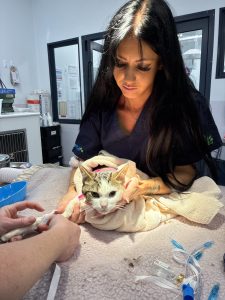
Animal shelters and rescue organisations care for thousands of cats and dogs each year, with many arriving as unplanned litters. Desexing prevents these litters from occurring in the first place, helping reduce the number of animals entering shelters and pounds.
When fewer animals are born without homes, shelters can focus resources on caring for other animals in need, improving welfare outcomes, and increasing the chances of adoption. Early-age desexing in kittens and puppies ensures they are desexed before adoption, eliminating the risk of accidental litters and supporting more efficient management of shelter populations.
When Should Pets Be Desexed?
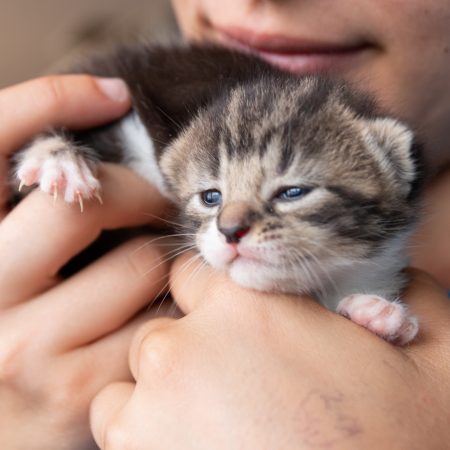
For cats, veterinarians generally recommend desexing your cat before four months of age (Why Should I Have My Cat Desexed?, 2025). Desexing your cat before sexual maturity offers the greatest welfare benefits while also preventing accidental pregnancies. For dogs, the timing may vary based on breed, size, and individual health, and should be discussed with your veterinarian.
If you are unsure about when you should have your pet desexed, your veterinarian can advise on the safest and most effective approach, taking into account your pet’s individual needs and lifestyle.

A Simple Step That Makes a Big Difference
Desexing is a safe, routine procedure that can have a significant and lasting impact on a pet’s health, behaviour, and welfare. By preventing unplanned litters, supporting the wellbeing of our pets, and reducing risks associated with roaming, desexing protects your pets while also helping create a more compassionate, responsible community that values animals and their health. It’s a simple step with benefits that last a lifetime.
References
Crawford, H. M., & Calver, M. C. (2018). Attitudes and Practices of Australian Veterinary Professionals and Students towards Early Age Desexing of Cats. Animals, 9(1), 2. https://doi.org/10.3390/ani9010002
Pre-pubertal desexing in cats. (2021). https://kb.rspca.org.au/assets/Downloads/Pre-Pubertal-Desexing-PPD-In-Cats-Report.pdf
Romagnoli, S., Krekeler, N., K. de Cramer, Kutzler, M., McCarthy, R., & S. Schaefer‐Somi. (2024). WSAVA guidelines for the control of reproduction in dogs and cats. the Journal of Small Animal Practice/Journal of Small Animal Practice, 65(7). https://doi.org/10.1111/jsap.13724
Urfer, S. R., & Kaeberlein, M. (2019). Desexing Dogs: A Review of the Current Literature. Animals: An Open Access Journal from MDPI, 9(12). https://doi.org/10.3390/ani9121086
Why should I have my cat desexed? (2025). RSPCA Knowledgebase. https://kb.rspca.org.au/categories/companion-animals/cats/general/why-should-i-have-my-cat-desexed