Helping your cat stay warm, safe and happy during the cooler months
As the weather cools and winter settles in, many cats naturally begin seeking out warm, comfortable places to rest. Whether it’s a sunny windowsill, a cosy blanket, or their favourite human’s lap, the colder months often encourage cats to spend more time closer to home. This makes winter the perfect opportunity to introduce your cat to a safe-at-home lifestyle.
A safe-at-home lifestyle doesn’t simply mean keeping your cat locked indoors. Instead, the safe-at-home lifestyle allows cats to express their natural behaviours while reducing the risks associated with roaming. Though often characterised by more time indoors, staying safe at home can mean enjoying a secure outdoor enclosure or catio, supervised outdoor time, or exploring a cat-proofed backyard.
Cats who remain safe at home live, on average, 10 years longer than cats that are allowed to roam freely. Staying close to home helps protect cats from traffic accidents, disease, parasites, dog attacks, cat fights, becoming lost or stolen, and other dangers they may encounter while wandering. With many cats already looking for warm, sheltered places to spend their time, winter is a great time to help your cat adjust to the safe-at-home lifestyle.

What makes winter a good time to transition my cat indoors?
Cats are experts at finding comfort. During winter, that often means choosing warm, sheltered environments over cold and wet conditions outdoors. By creating positive experiences at home during the cooler months, you can help your cat discover that staying home can be just as rewarding as roaming.
Winter also brings a whole new suite of dangers for cats who spend time away from home. As the days become shorter, visibility on roads decreases, making it harder for drivers to spot cats crossing streets. Cats seeking warmth may also crawl under cars, into wheel wells, or near engines, creating potentially dangerous situations. Encouraging your cat to spend more time at home can help reduce these risks while providing them with a comfortable place to escape the cold.
Because many cats will already be inclined to stay closer to home during winter, introducing new routines and safe-at-home habits can feel more natural than attempting the same transition during warmer months (when roaming may be more appealing).
Start Small and Move at Your Cat’s Pace
If your cat currently spends a lot of time roaming, it’s important to remember that change won’t happen overnight. Like any new routine, a safe-at-home lifestyle is most successful when introduced gradually.
Many cat owners find that starting overnight is a good first step. Cats often roam further from home at night, increasing their risk of encountering cars, dogs, other cats, and wildlife. Keeping your cat safely at home overnight allows them to begin adjusting to a new routine while significantly reducing their exposure to many common dangers.
Creating positive associations with home can make this transition easier. Offering your cat their favourite meal in the evening, followed by playtime, affection, or other enjoyable activities, will help establish a routine they can look forward to. Consistency is key. Cats thrive on routine, and having regular feeding, play, and rest times helps them feel secure while adjusting to new expectations.
Over time, many cats may begin spending more time at home simply because it is a more predictable and rewarding place to be.

How do I create a home my cat wants to be in?
One of the best ways to encourage your cat to stay close to home is to make your household an enjoyable place to spend time in. A stimulating environment that supports your cat’s natural behaviours can make all the difference when transitioning your cat indoors.
Cats enjoy having opportunities to climb, scratch, hide, explore, observe, and play. Providing elevated resting places, scratching posts, tunnels, cosy hiding spots, and interactive toys helps keep them mentally and physically engaged.
Winter is also a great time to create warm resting areas throughout the home. Cats often prefer elevated sleeping locations away from drafts, so placing comfortable beds, blankets, or even simple cardboard boxes in sunny locations can create irresistible spots for relaxation.
For many cats, a sunny window can easily transform into their favourite winter destination. Window perches and cat hammocks can also provide hours of entertainment, allowing your cat to observe birds, people, and the wider outside world while remaining safe at home.
If you’re looking for additional ideas, our online Enrichment Guide outlines other excellent ways to create a home that keeps your cat happy while meeting their physical and emotional needs.
Why does safe outdoor access matter?
For many cats, access to the outdoors remains an important part of their wellbeing. That’s why it’s important to remember that adopting a safe-at-home lifestyle doesn’t mean eliminating outdoor experiences altogether.
Where possible, consider ways your cat can safely enjoy the outdoors while remaining protected. Catios, enclosed patios and balconies, cat-proof backyard fencing, and secure outdoor runs can all provide opportunities for fresh air, sunshine, and exploration without the risks associated with roaming.
Your cats may also enjoy scheduled, supervised outdoor time with you by their side. Regular access to a secure outdoor space can help satisfy your cat’s curiosity while maintaining safety and routine.
Ultimately, the safe-at-home lifestyle should give your cat the freedom of choice. Whenever possible, safe outdoor spaces should allow your cat to move between indoor and outdoor areas as they wish, giving them control over where they feel most comfortable at any given time.
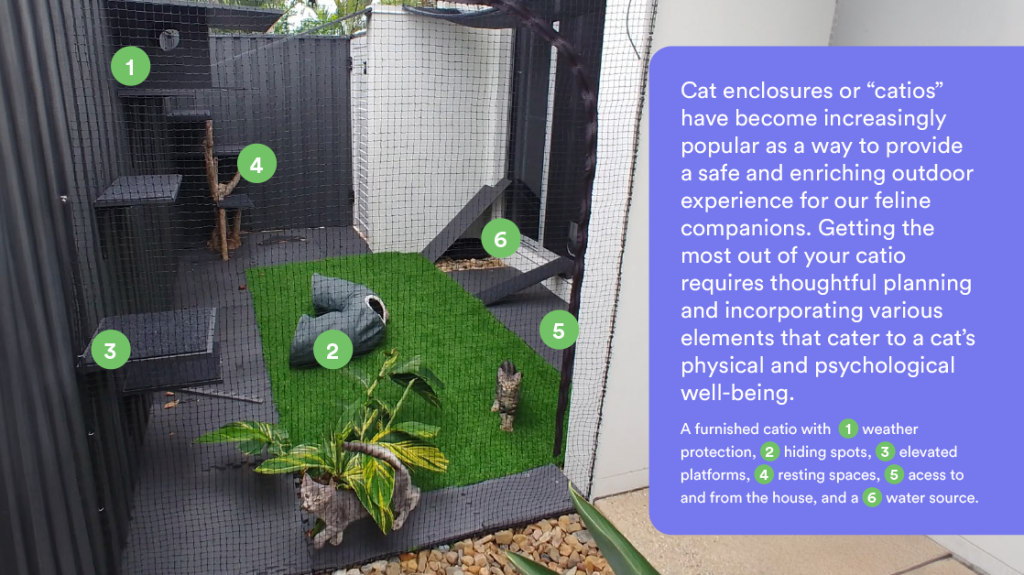
Not Every Cat Will Adapt in the Same Way
While some cats quickly embrace spending more time at home, it’s important to remember that every cat is different. Some may take weeks or even months to adjust, while others may never be fully comfortable living exclusively indoors.
However quickly your cat adapts, your focus should be on finding practical ways to improve their safety while still meeting their individual needs. Secure outdoor spaces, supervised backyard time, weatherproof and insulated cat houses, as well as warm, protected sleeping areas can all reduce risk while providing your cat with comfort and choice.
Older cats, particularly those living with arthritis, may also appreciate additional support during winter. Warm bedding, sheltered resting areas, and veterinary advice about managing arthritis can help you keep them comfortable throughout the colder months.
If your cat has traditionally spent most of their time outdoors, winter can also be an excellent opportunity to schedule a veterinary health check. Your veterinarian can assess your cat’s overall health and discuss parasite prevention, arthritis management, and any other considerations that may help support their transition to spending more time at home.
What makes being a safe at home a positive change for cats and their families?
More than 60% of cats in NSW already enjoy a safe-at-home lifestyle, meaning you’re never far away from another cat owner who has successfully made the journey.
The most important thing to remember is that every cat moves at their own pace. By creating positive experiences, providing warm and comfortable spaces, supporting natural behaviours, and offering safe choices for outdoor access, you will help your cat discover the benefits of staying closer to home.
This winter, a cosy bed, a predictable routine, and a safe place to explore might be all it takes to start your cat’s journey towards a safer, healthier, and happier life at home.