A gentle, step-by-step guide to helping your cat feel safe, settled and secure
Whether it’s your first cat or a feline friend you’re introducing to a brand new house, bringing a new cat home is an exciting moment. But for some cats, arriving in new environments can feel overwhelming. Unfamiliar spaces and smells, different people, and unexpected sounds can all trigger uncertainty. Cats are creatures of habit, and they rely heavily on predictability and control to feel safe.
The good news is that, with the right approach, most cats can settle in well and learn to feel comfortable in their new surroundings. The key is moving at your cat’s pace, meeting their needs, and creating an environment where they feel secure, in control, and able to make choices.
Whether you’re bringing a cat home for the first time or helping them adjust after a move, these principles remain the same.
Start with a Safe, Separate Space
When your cat first arrives home, it’s important to resist the urge to give them full access to the entire house straight away. Instead, set up a quiet, enclosed “safe room” where they can begin their transition gradually. This space should include everything your cat needs: food, water, litter trays, comfortable resting areas, hiding spots, scratching surfaces, and toys, all spaced out so they can use them comfortably.
This room will then act as a secure base, allowing your cat to take in their new environment in smaller, manageable steps. Cats often cope with change by hiding: this is a normal and healthy behaviour. Providing plenty of hiding places, like boxes, covered beds, or even an open carrier, will help them feel protected, reducing their overall stress.
If you’re moving house, this same approach remains incredibly valuable. Setting your cat up in a dedicated room while the rest of the home is being unpacked and organised can help shield them from noise, disruption, and unfamiliar activity. It gives them a consistent, calm space to hide in while everything else changes around them.

Let Your Cat Take the Lead
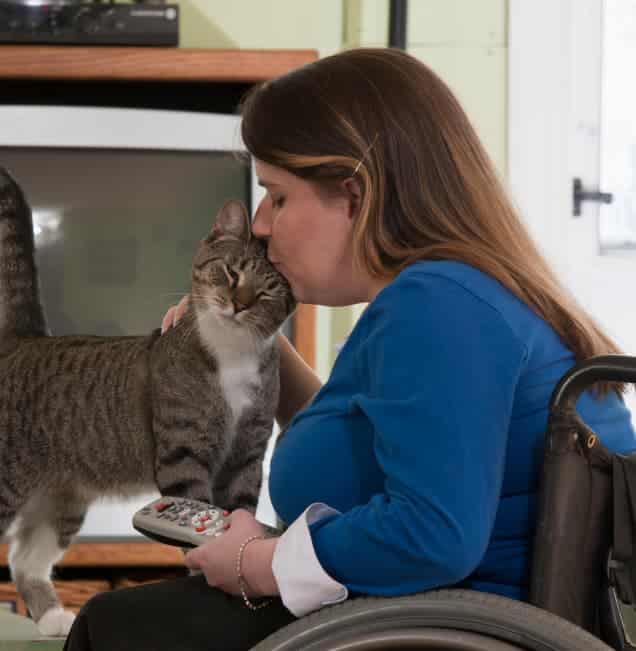
One of the most important things to remember is that your cat should always be in control of how and when they explore their environment and interact with you. While it can be tempting to comfort them with pats or pick them up for reassurance, cats can find this overwhelming in the early stages of acclimatisation.
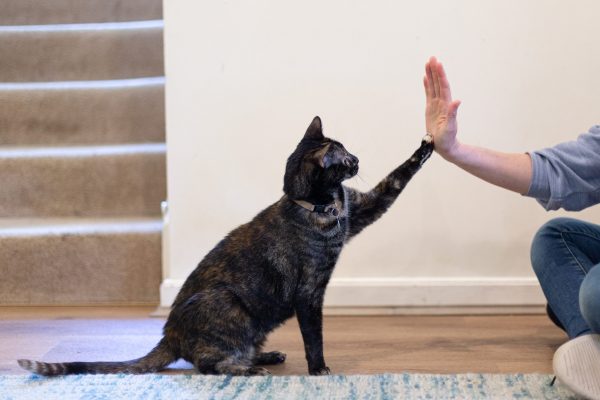
Instead, allow your cat to approach you in their own time. Sit quietly in the room, go about calm activities, and let them observe you from a distance. If they choose to come closer, you can gently offer your hand and allow them to initiate contact. Short, positive interactions, on their terms, help build trust over time.
This idea of choice and control is central to helping cats feel safe. When cats know they can retreat, hide, or disengage whenever they need to, they are far more likely to relax and feel safe enough to begin exploring.
Build a Predictable Routine
Cats thrive on routine. Knowing when meals happen, when playtime occurs, and when the house is quiet helps them make sense of their environment, reducing anxiety. During the first few weeks, try to keep daily activities as consistent as possible.
Feed your cat at the same times each day, clean litter trays regularly, and schedule short play sessions to mimic natural hunting behaviours. Even small cues, like using the same phrase before entering the room, can help your cat feel more secure by making your actions predictable.
This is especially important when moving house, as routine becomes an anchor in an otherwise unfamiliar environment. While the space may be new, consistent daily patterns help your cat adjust more quickly.
Gradually Expand Their World
Once your cat is eating well, using their litter tray confidently, and showing relaxed behaviour in their safe room, you can begin to slowly introduce them to more of the home. This should be done gradually, allowing them to explore new areas at their own pace.
If you have other pets, introductions should be managed carefully and slowly. Cats don’t always want to share their space, and rushing introductions can lead to stress or conflict. Start with scent swapping (like exchanging bedding), then progress to visual introductions through a barrier, before allowing direct interaction when both animals appear calm.
For cats adjusting to a new home, gradual exploration helps prevent overwhelm and allows them to build confidence as they learn the layout, smells, and sounds of their new environment.
Support Natural Behaviours
Helping your cat feel at home isn’t just about the physical space, it’s about making sure they can express their natural behaviours: scratching, climbing, hiding, resting, and play.
Providing vertical spaces like shelves or cat trees allows them to observe their surroundings from a safe height. Scratching posts help them maintain their claws and leave familiar scent markers, which increases their sense of security. Interactive play sessions that mimic hunting (stalking, chasing, and catching) are essential for our cats’ mental and emotional wellbeing.
These elements are especially important during transitions. When cats can engage in familiar, instinctive behaviours, it helps them feel more confident and settled, even in new environments.