As a Keeping Cats Safe at Home Desexing Coordinator, no two days ever look the same.
One day I’m helping someone learn how to safely trap a community cat. The next I’m helping kittens to a clinic for vital care, bringing a cat in for desexing, or helping a resident find safe outcomes for cats in their care.
What ties all these experiences together is a shared commitment to giving our animals the safe and happy lives they deserve. Every cat we help has a story, one defined by ordinary caregivers making the extraordinary decision to put their cats’ wellbeing first.
Supporting Cats One Community at a Time
Over the past month, much of my work has involved supporting residents doing their best to help cats in their local communities.
We recently began working closely with a Belmore resident caring for several cats and kittens by assisting with desexing appointments, kitten care, and rehoming support. By providing hands-on assistance and access to important vet services, we were able to help improve welfare outcomes for the cats while preventing future litters.
We also continued supporting an individual looking after a group of cats who had settled into an abandoned property near the carer’s home in Fairfield Heights. In addition to desexing these wonderful neighbourhood cats, we helped coordinate treatment and ongoing care for any kittens that needed urgent veterinary support.
These situations are often challenging and emotional for both carers and our team, but they highlight the difference that practical assistance, education, and community partnerships can make for both cats and the people looking after them.
Building Confidence Through Support
One of the most rewarding parts of the role is watching people gain confidence as they learn new skills.
Recently, we provided a Revesby resident with trap training and support, ensuring they felt comfortable safely trapping cats that needed desexing. For many people, this can feel intimidating at first, but with guidance and encouragement, they are often able to play a significant role in improving outcomes for cats in their area.
Similarly, community outreach activities such as letterbox drops continue to help us connect with cat carers who may need support but aren’t yet aware that assistance is available.
Often, a simple conversation is the first step towards creating lasting change.
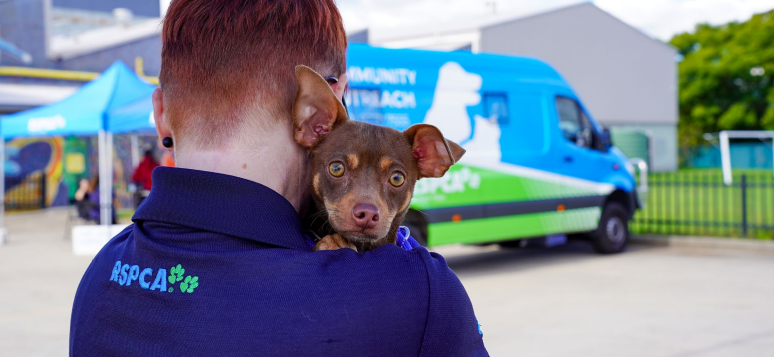
Keeping Cats Safe at Home RSPCA staff at Furry Friends Festival at Bangalow
A Long-Term Commitment Pays Off
This month also marked the completion of a particularly rewarding case in Earlwood.
After months of ongoing collaboration, the last of the cats living at the property was desexed.
While it may seem like a small milestone, outcomes like these represent months of dedication from both residents and program staff. Every cat desexed helps prevent future litters and contributes to healthier outcomes for cats and communities alike.
Closing cases like these remind us that long-term change doesn’t happen overnight. It happens one cat, one conversation, and one desexing appointment at a time.
Supporting Communities Across NSW
Beyond individual cases, our team has continued supporting underserviced communities across the state.
In May, I joined the Outreach team in Wilcannia and Broken Hill, assisting with community engagement, trapping support, and cat transport while connecting with local councils, veterinary clinics, and residents.
The welfare challenges cats face can look very different depending on location. For example, in Wilcannia, the nearest vet is two hours away in Broken Hill, creating significant barriers to veterinary access, which is the case for many communities. Building strong local relationships helps ensure communities have access to the support they need, no matter where they live.
That’s why our colleagues continue to work with schools, councils, and community groups across Northern NSW, helping spread awareness about responsible cat care and the benefit of the safe-at-home lifestyle.
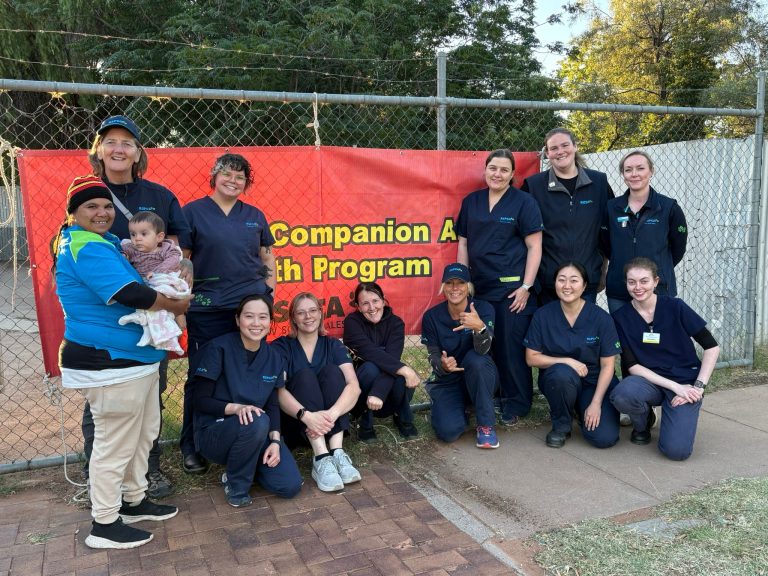
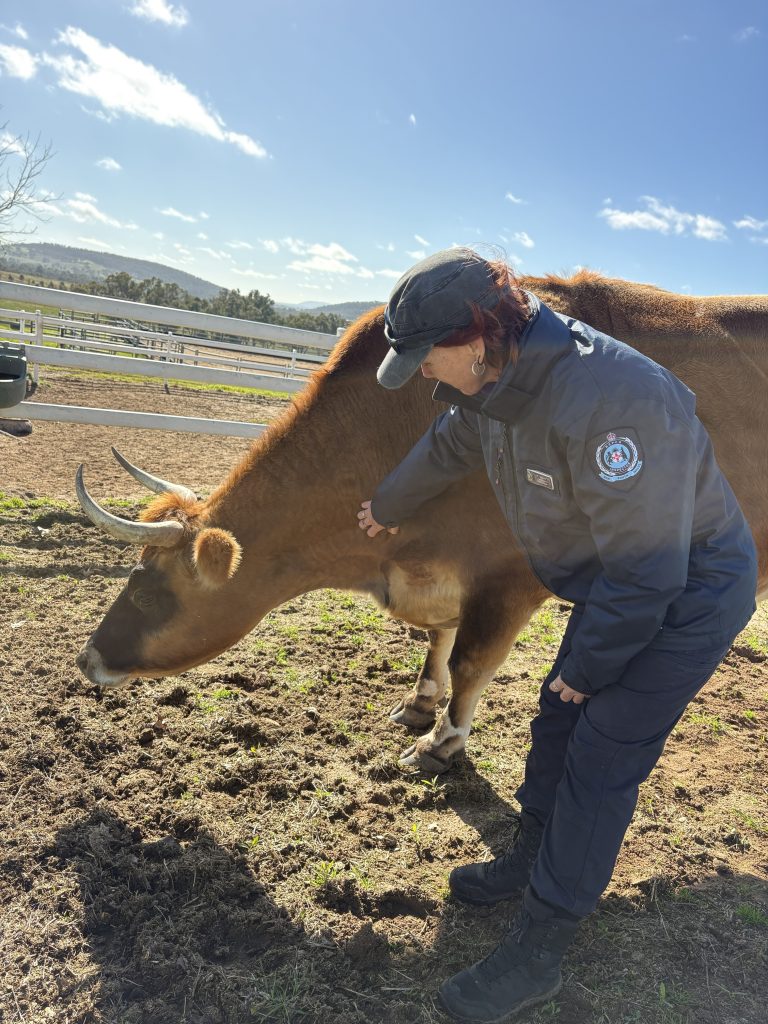
RSPCA staff at Indigenous Community Companion Animal Health Program in Wilcannia
Reaching More Cat Owners Through Education and Awareness
While much of our work happens out in the community, creating lasting change also means empowering cat owners with information, resources, and practical support before welfare issues can arise.
In the last few months, we’ve been working hard to expand the reach of our Keeping Cats Safe at Home messaging through a range of education and awareness initiatives.
One exciting development has been the launch of our new No Lost Cats campaign, developed in collaboration with an external creative partner. The campaign aims to raise awareness of the benefits of keeping cats safe at home and encourage cat caregivers to take proactive steps to protect their pets.
The campaign has reached audiences across NSW through a combination of billboards, shopping centre advertising, bus panels, digital marketing and online channels. Our previous Not All Cat Videos are Funny campaign has also been featured in over 30 cinemas and promoted through streaming services, social media and YouTube, helping us connect with hundreds of thousands of cat carers where they live, work and spend their time.
Alongside these broader awareness campaigns, we’ve continued running community competitions designed to encourage safe-at-home behaviours and support cat owners with practical solutions. Interest has remained consistently strong, with hundreds of entries received across recent competitions and dozens of Catnets enclosures provided to winning participants.
These initiatives demonstrate the importance of meeting people where they are. Whether it’s a conversation out in the community, a social media post, a billboard or a cinema advertisement, every interaction is an opportunity to share information that could help keep a cat safer, healthier and at home.
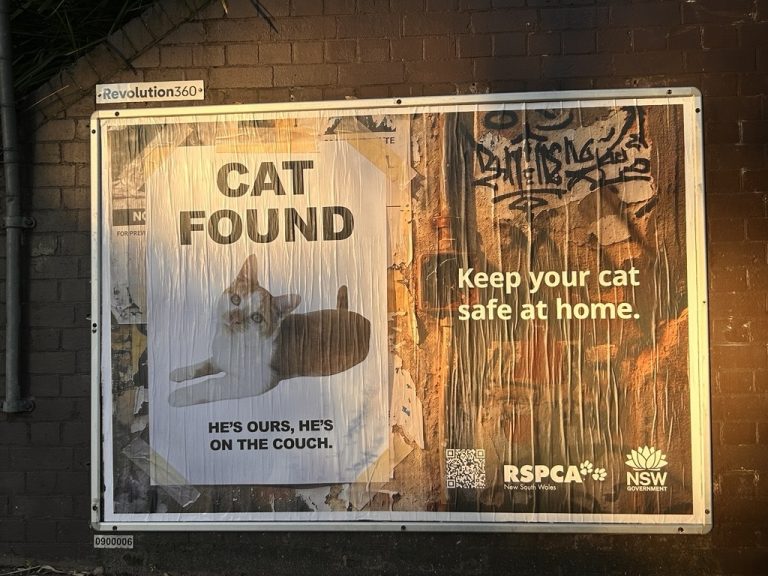
No Lost Cats campaign billboard
Working Together for Better Outcomes
One thing I’ve learned in this role is that successful outcomes rarely happen in isolation.
Whether we’re helping colony carers make desexing appointments, responding to developing welfare concerns, or helping kittens access veterinary care, collaboration is at the heart of everything we do. Local councils, veterinary clinics, community volunteers, foster carers, and residents all play an important role in creating positive outcomes for cats.
By working together, we’re able to reach more people, support more cats and create lasting change within communities. Every partnership strengthens our ability to respond quickly and effectively when help is needed.
For me, these collaborations are one of the most rewarding aspects of the role; they exemplify the great things we can achieve when people come together with a shared goal of improving cat welfare.
Preventing Future Litters Through Early Action
Many of the situations we handle begin with just a small number of undesexed cats.
Without intervention, cat populations can grow quickly, creating challenges for both our feline friends and the people looking after them. That’s why desexing remains one of the most effective tools we have for improving cat welfare.
Every cat desexed through the program helps prevent future litters, reduces pressure on rescue organisations and shelters, and supports healthier outcomes for cats living in our communities.
While the impact of a single desexing appointment may not always be immediately visible, the long-term benefits can be staggering. Time and time again, we see how early intervention can prevent larger welfare issues from developing in the future.
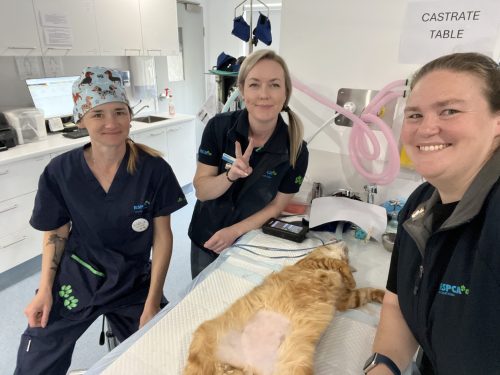
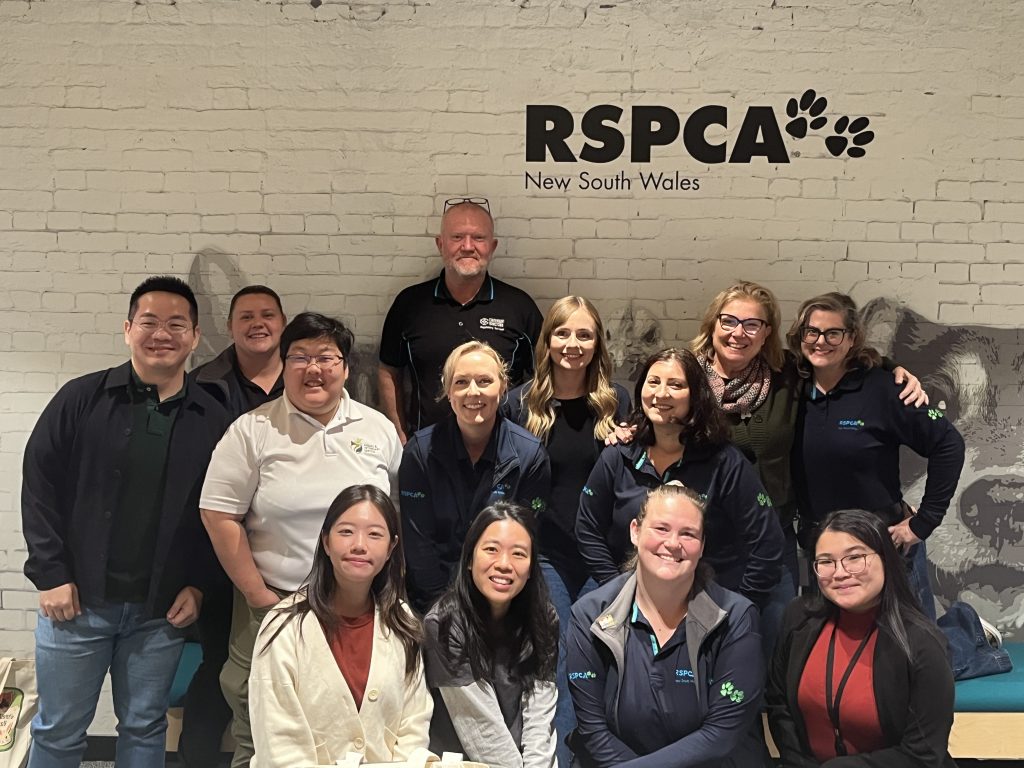
Keeping Cats Safe at Home RSPCA Staff at a RSPCA Broken Hill Desexing Day
Looking Ahead
When people think about cat welfare, they often think about the cats themselves.
But behind every cat is a person who cares.
Whether it’s someone learning to safely use a trap for the first time, a caregiver looking to book in local cats in for desexing, a foster carer preparing for kittens, or a volunteer helping transport cats to appointments, meaningful change happens because people choose to get involved.
Every cat has a story. And thanks to the dedication of residents, volunteers, councils and communities across NSW, more of those stories are ending with safer, healthier futures.
Caroline
Desexing Coordinator
Keeping Cats Safe at Home RSPCA NSW