Why bird flu matters for pets and wildlife animals
A highly contagious strain of avian influenza (H5N1), also known as bird flu, has been detected in multiple Australian states since June 2026. If you encounter sick or dead wild birds, the most important course of action is to avoid, record, and report it.
- Avoid touching the bird, keeping pets and children away from the area.
- Record the date, time, and location, and take a photo from a distance if it’s safe to do so.
- Report it to the Emergency Animal Disease Hotline (1800 675 888).
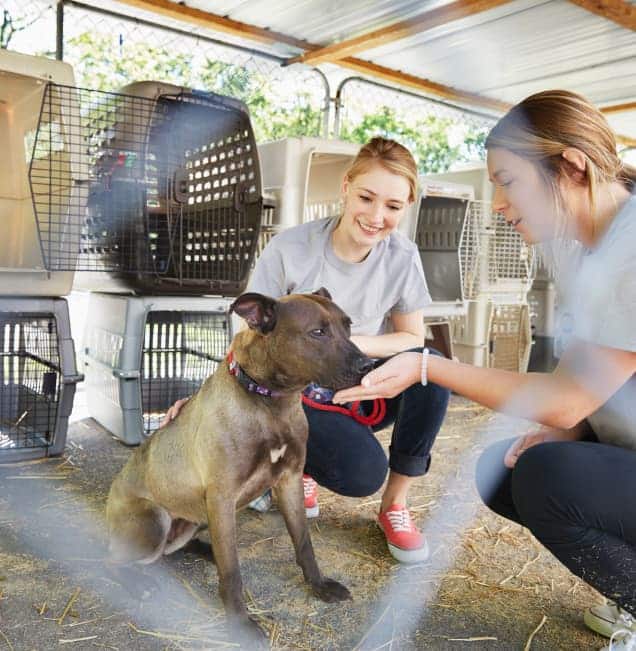
Please do not present any birds to RSPCA NSW shelters. This risks spreading disease as well as putting the shelter animals at risk.
A national response program for H5 bird flu is in place. The situation is developing and advice may change as surveillance continues. With new cases being reported frequently, it’s important to stay across the latest information through government resources:
- Australian Government Department of Agriculture, Fisheries and Forestry’s website
But what is bird flu and how does it impact animal welfare? Bird flu is a highly contagious viral disease that affects more than 140 species of bird. Infections also pose welfare risks to wildlife, livestock and household pets if they encounter infected birds, their droppings, contaminated environments, fomites, or other infected animals. This means that, while the risk to human health is relatively low, the presence of H5N1 in Australia is a cause for great concern.
Although avian influenza in companion animals is rare, knowing the signs of the virus and the ways you can lower your pets’ risk of exposure can help keep them healthy, thriving, and safe.
What are the symptoms of avian influenza (bird flu)?
Bird flu can affect birds in different ways, depending on an infected bird’s age, species and overall health. Some birds may become very sick or die suddenly, while others may only show milder signs.
Symptoms include:
- sudden death
- ruffled feathers, unusual head or neck posture, droopy appearance
- watery eyes
- difficulty standing or walking
- being unusually quiet or unwilling to move, eat or drink
- difficulty breathing
- diarrhoea
- a swollen or discoloured head, comb or wattle
- a sudden drop in the number of eggs being laid
Can cats and dogs get bird flu?
Yes, but thankfully, it’s uncommon. To date, there are no confirmed cases of bird flu in Australian pets.
In cats and dogs who are exposed to the virus, the signs of avian influenza resemble those of many other illnesses, making it difficult to diagnose without a proper vet assessment.
If infected, pets may display symptoms like:
- loss of appetite
- lethargy (tiredness)
- breathing difficulties
- nasal and ocular discharge
- coughing or sneezing
- loss of coordination and tremors/wobbliness, walking in circles
- seizures
- blindness
If your pet begins showing any of these symptoms, it is important to have them seen by a veterinarian. Please note, however, that if they have been exposed to wildlife and you are particularly concerned about avian influenza, you will need to share these concerns with your veterinarian when you book the appointment.
What steps can I take to protect my pet from bird flu?
These are the steps you can take to reduce the risks to your animal companions:
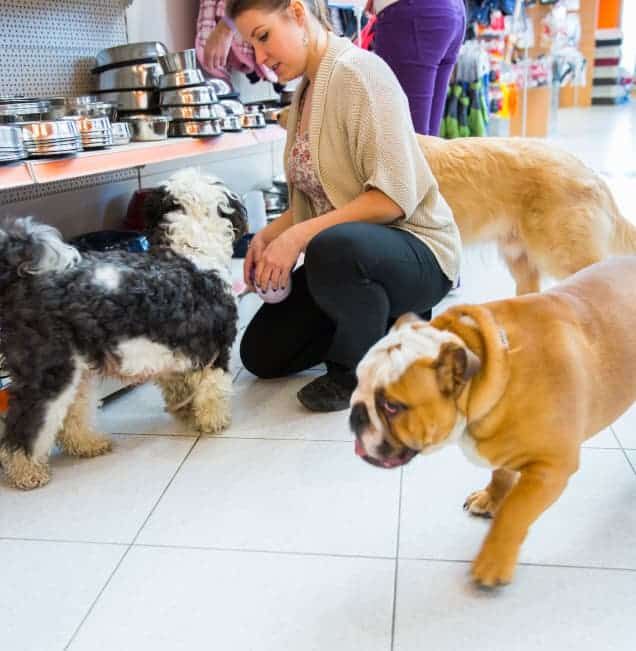
Dogs
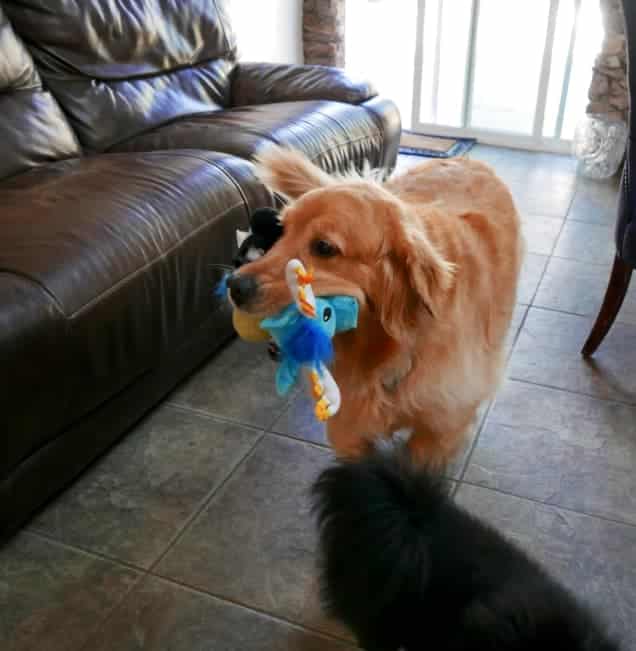
Dogs may encounter infected wild birds, wildlife or infected droppings and fomites outdoors. Keep your dog on a leash near wild bird habitats, like in parks or at the beach. Avoid any contact with dead or infected birds and wildlife animals.
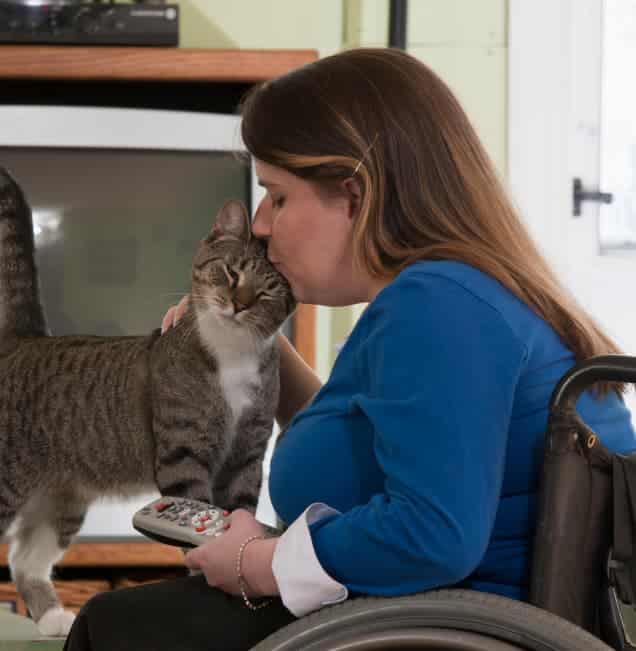
Cats
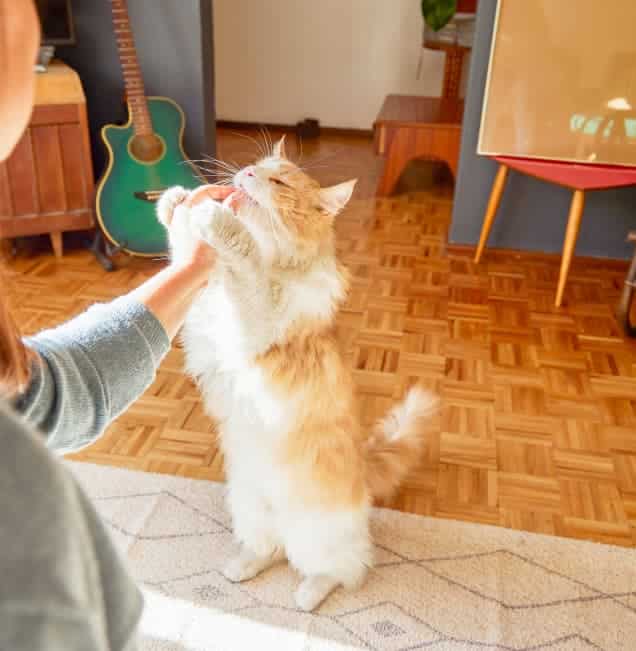
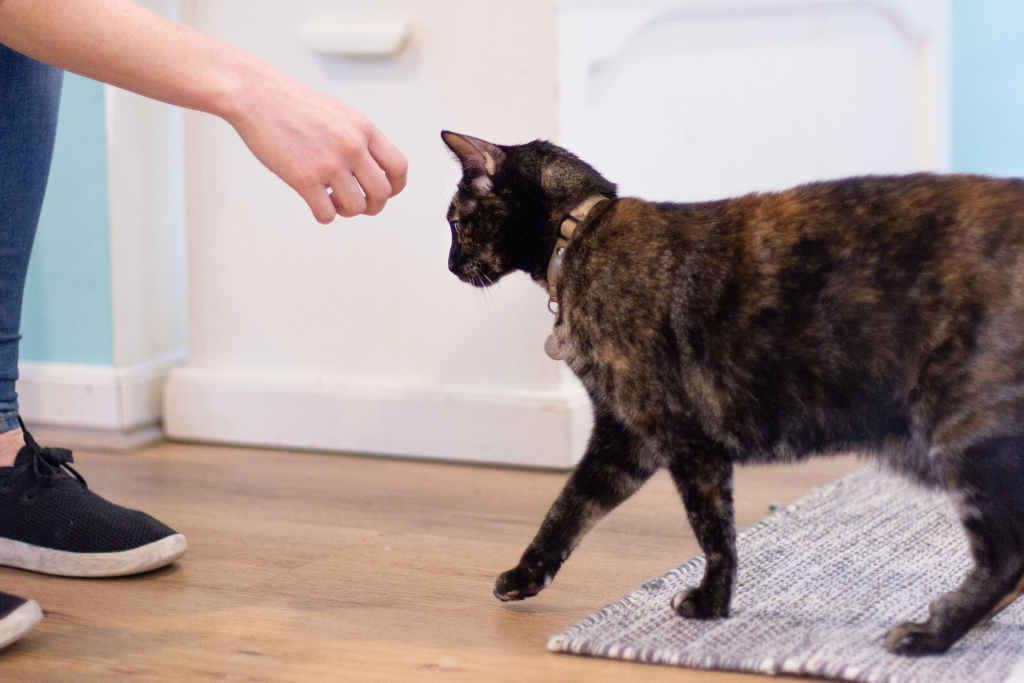
Cats can be exposed to the virus if they encounter wild birds,infected wildlife, or contaminated droppings or fomites.
Cats should be securely contained within your property, wherever possible. This can keep them, their food and their water from exposure to wild birds. If you need help with safely containing your cat, visit our Keeping Cats Safe at Home webpage for advice.
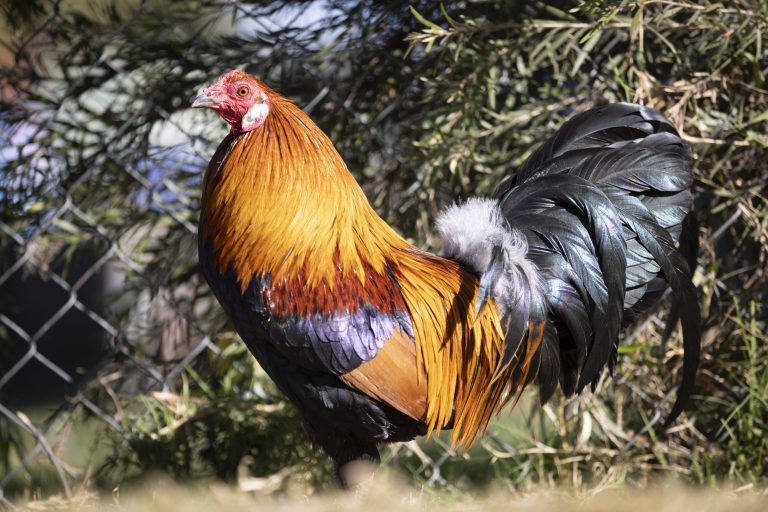
Birds and poultry
If you keep chickens or pet birds outside, keep them under cover where possible. Make sure their enclosure:
- prevents contact with wild birds
- keeps their food and water away from wild birds and other animals
- has good airflow
- gives them space to move around
- provides hens with opportunities to nest, dust bathe and forage
These steps can help protect your beloved pets from avian influenza while continuing to support their health and wellbeing.
For more information on avian influenza and its impacts on animal welfare, visit the RSPCA Knowledgebase and learn more about protecting your beloved pets.