RSPCA NSW is calling on the community to be plover lovers this nesting season, as interactions between people and protective plover parents increase.
Sadly, since the start of nesting season, RSPCA NSW has received several reports of young people disturbing or harassing plovers in their local areas.
Plovers, also known as masked lapwings, are native birds and protected under the Biodiversity Conservation Act.
They are commonly found in large grassy areas, where they usually lay their eggs on the ground in open spaces to better spot potential predators.
Plover eggs take about 28 days to hatch and while chicks become remarkably independent soon after hatching, their parents remain highly protective of their nests and young.
This protective behaviour can sometimes include swooping at people who come too close, but it is generally a warning display, and actual physical contact is rare.
Although swooping can be unsettling, it is important to remember that plover parents are simply trying to protect their chicks and should be treated with patience and respect.
FUN FACT: Along with occasional swooping and loud calls, plover parents may also pretend to have a broken wing to draw predators away from their nest or chicks.
RSPCA Australia Chief Science Officer Dr Suzie Fowler stressed that the right response to nesting birds like plovers is crucial.
“Although these swoops can be alarming, they are typically brief and targeted, rather than random acts of aggression,” Dr Fowler said. “Approaching nests or attempting to harm an animal can increase future risk of swooping and is never an appropriate response.”
If you come across a nesting plover, the best thing you can do is keep your distance, take an alternative route where possible, and allow the family the short period of protection they need until the chicks are safely on their way.
Plovers are devoted parents doing their best to keep their chicks safe at a vulnerable stage of life and deserve the love of their local communities.
If you have animal welfare concerns, please call RSPCA NSW to investigate on 1300 CRUELTY (1300 278 3589) or 9770 7555.
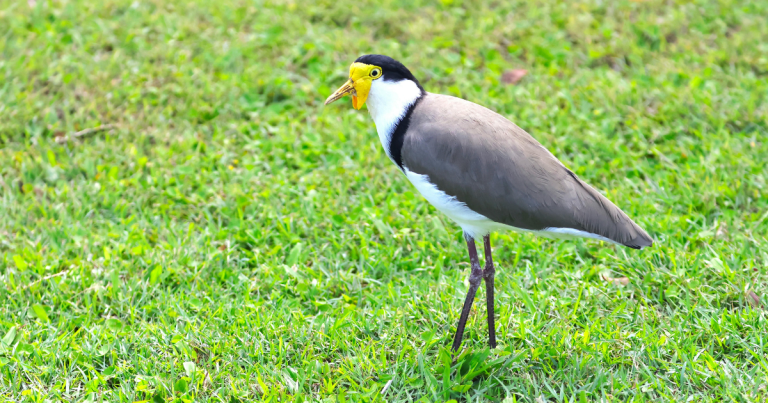
Image source: Canva.com