With the holiday season well underway, it may be tempting to sneak our pets a taste of some festive food. It’s important to be aware however, that some of our favourite human treats can be dangerous or even fatal to our furry friends. This is why it’s essential to remain vigilant during our feasts with family and friends, to ensure the animals in our lives remain healthy, happy, and safe.
“There are several human foods that can be toxic for our pets,” says Dr Liz Arnott, Chief Veterinarian at RSPCA NSW. “We tend to indulge in a lot of them around the festive season.”
Holiday goodies that are potentially dangerous or toxic to our pets include:
- Chocolate
- Christmas pudding, fruit cakes, and mince pies (these may contain grapes, currants, and raisins, which can cause kidney failure in pets)
- Lollies and baked goods (these may contain artificial sugars that are toxic to animals)
- Macadamia nuts
- Avocado
- Marinades/gravy
- Stuffing (these may contain onion, chives, and garlic, which are toxic to dogs and cats)
- Pork/ham (these are too fatty and salty for our pets and may cause pancreatitis and gastrointestinal problems)
- Alcohol
- Coffee
- Cooked bones (these may splinter and block an animal’s gut)
Dr Arnott explains, “Macadamia nuts can be toxic for our dogs and cats. Though a holiday favourite, they can cause vomiting and make our animals feel weak and develop tremors.”
“Chocolate and coffee can also make dogs unwell, as they contain substances that are dangerous, and even fatal, when ingested. Signs that your dog may have had a toxic dose with some of those compounds include vomiting, tremors, agitation, increased drinking and urination, seizures and even death.”

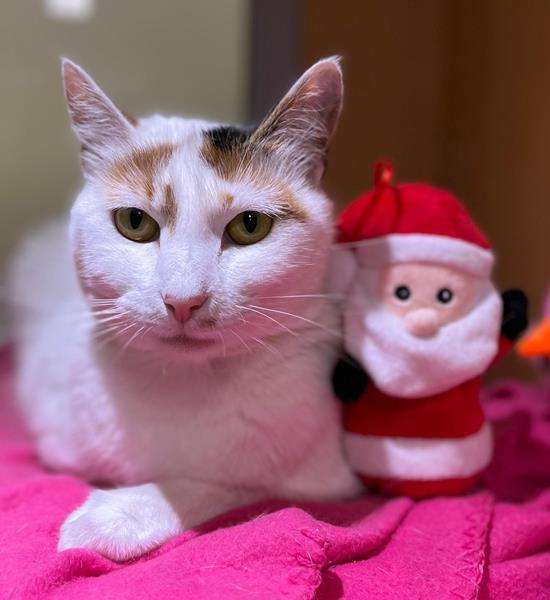
You can still treat your fur babies like Roxy this festive season, whilst ensuring they stay safe from potentially dangerous food.
Pet owners should watch their animal(s) throughout the day and keep holiday meals out of reach, as unattended foods can be tempting, if not dangerous, for our pets.
If you suspect that your pet has eaten something they shouldn’t have, or if you notice symptoms such as vomiting, diarrhoea, excessive panting, urination, or drinking, incoordination, tremors or seizures, take your pet to your nearest veterinarian as soon as you can. Remember to familiarise yourself with your local veterinarian’s trading hours over the holiday season in case an emergency arises, as their regular opening hours may have changed.
“Even during celebrations, it’s essential to keep the needs and safety of our pets in mind. Stay aware of risks to your pets to ensure they also enjoy the festive season,” Dr Arnott concludes.
Visit the RSPCA Knowledgebase for more information on harmful food. To find your nearest RSPCA NSW veterinary clinic and their holiday trading hours, visit the RSPCA NSW website.