As the weather warms up and kitten season begins, RSPCA NSW shelters have been preparing for an influx of kittens. Finding a litter of kittens out in your community can be confronting, and we understand that your first instinct might be to leap into action and help. But pausing to give their mum a chance to return to care for them can help ensure they get what they need.
Every kitten deserves the best possible start in life, and the best start is with their mother.
This kitten season, we’re encouraging everyone to think beyond the litter. Helping kittens to stay with their mother until they are old enough to be weaned gives them the best chance of surviving and finding a loving home. By working together, we can help kittens and their mums find safety and a home of their own, and reducing the number of unowned cats in our communities.
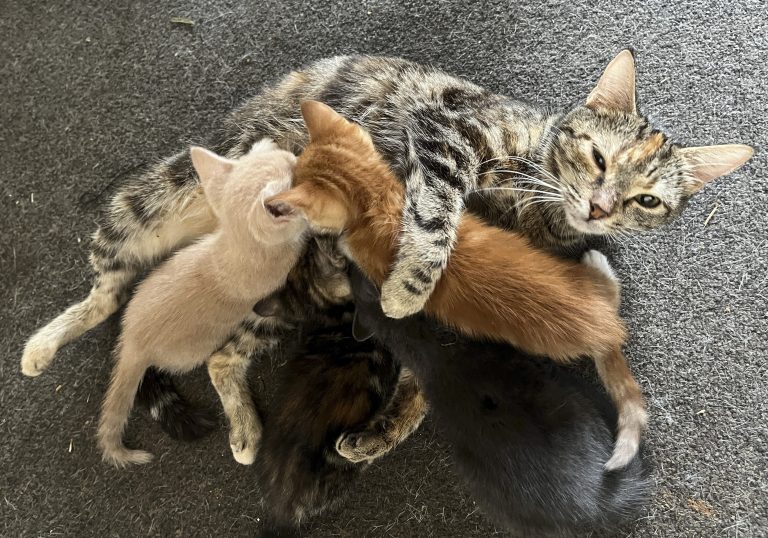
The pressure of kitten season
Kitten season is a busy time for animal shelters, with warmer weather and longer days creating the conditions for cats to breed. Across NSW, kittens arrive at shelters needing food, veterinary care, foster carers and, eventually, loving homes.
Our intake figures have continued to highlight this ongoing demand. In FY2024, RSPCA NSW recorded 2,738 intakes of orphan kittens, increasing to 2,984 in FY2025.
Behind every intake is an animal who needs time, care and a safe place to grow. With shelters and rescue groups managing high numbers of animals, there is not always space available to care for young kittens. By desexing our cats, communities can help to prevent unplanned litters being born, reducing the number of kittens turning to shelters like ours for care. We can all also work together to support cats in the community by making sure they each have someone to care for them where they are (in situ).
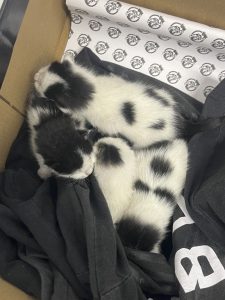
So, what should you do if you come across a litter of kittens?
- Give mum a chance to return
It’s natural to want to scoop up kittens when you find them alone outdoors. However, if they appear healthy, warm and safe, your first priority should be leaving them where they are and observing from a distance.
Mum may simply be away looking for food, and will return to care for her litter. She is the kittens’ best source of warmth, protection and nutrition during their first weeks of life. She may also be reluctant to return if people are standing too close, which is why keeping your distance is important.
Check back regularly to see whether she returns. You can also sprinkle a little flour around the area and look for paw prints to help determine whether she has visited.
If the kittens are safe and mum is caring for them, give the family space to grow and continue monitoring them in the coming weeks. Avoid disturbing their nest unnecessarily, and make sure they are protected from immediate dangers such as traffic, dogs, extreme weather and other hazards. You can provide a box and blankets for them if they need it.
There are important exceptions
- If the kittens are visibly injured, in immediate danger or critically unwell, seek urgent veterinary advice.
- If you have monitored them for a few hours and mum has not returned, contact a vet or your local council for advice on the next steps.
- Don’t wait to call for assistance if a kitten is seriously unwell or any of the kittens have died.
- If you’re unsure what to do, contact your local council or a veterinary professional for guidance.

- Keep watching over them as they grow
Helping a litter doesn’t end once you’ve confirmed mum has returned. If the family is safe and being cared for, continue monitoring the kittens until they are starting to be weaned and learning to eat independently, usually from around four weeks of age.
Check from a distance that the kittens appear warm, active and well, and that mum continues to return to care for them. Where possible, make sure the nesting area remains safe, sheltered and protected from people and other animals.
If you’re able to help provide food or shelter for mum, provide wet and dry kitten food and clean, fresh water.
If the kittens begin to show signs of illness, become cold or lethargic, or appear to be struggling, seek veterinary advice promptly. Very young kittens can deteriorate quickly, so don’t assume they will be okay simply because mum has returned.
Once the kittens are less dependent on mum’s milk, you can start arranging the next steps for their care. This includes finding suitable homes, organising veterinary checks and vaccinations, and making plans for desexing.
If you can’t safely monitor or support the litter yourself, ask your local council, vet or a reputable rescue group for advice about available options.
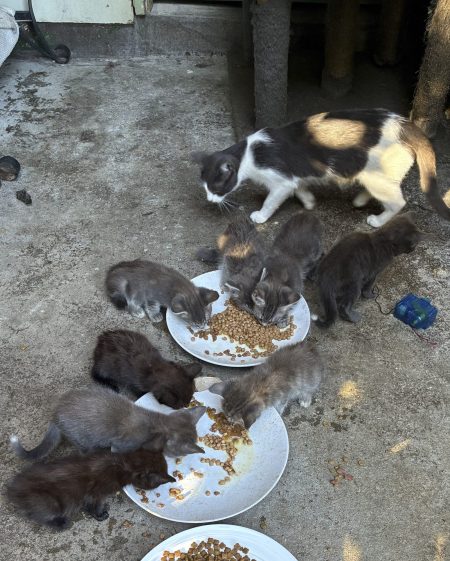
- Help kittens find safe, loving homes
Once kittens are weaned and ready for the next stage of their lives, it’s time to plan for their future.
If you are caring for a litter, work with a vet or reputable rescue group to organise the care they need. This includes arranging appropriate veterinary checks, vaccinations, parasite prevention, microchipping, and desexing at the recommended age and weight.
Finding suitable homes is important, but it’s equally important to make sure each kitten is going to a responsible person who understands the commitment of caring for a cat.
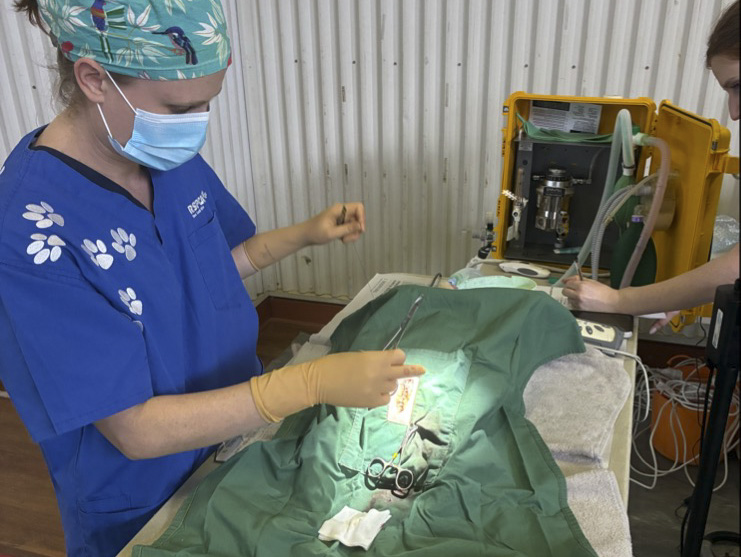
Where possible, arrange desexing for all kittens before they can contribute to further unwanted litters (before 4 months). Speak with your vet about the appropriate timing, and make a plan for mum’s desexing as well.
If you cannot keep the kittens or arrange homes yourself, contact your local council or a reputable rescue group to discuss options. Shelters and rescue organisations are under significant pressure during kitten season, so exploring support and foster options early can help.
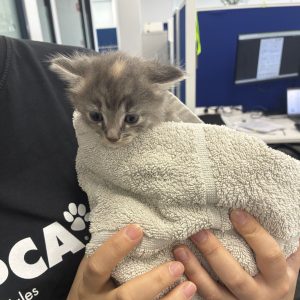
- Don’t forget mum: get her desexed, help her find a home or support her to continue to live where she is
When we find a litter of kittens, it’s easy for all our attention to go towards the little ones. But mum needs help, too.
If she is an unowned cat, finding a safe and sustainable solution for her is just as important as finding homes for her kittens. Without intervention, she may become pregnant again and bring another litter into the same circumstances.
First, it is important to check if she already has a family:
- Ask around your local neighbourhood to check if anyone is caring for her.
- If she will let you, try fitting her with a paper collar with your contact details,
- Post “found cat!” posters around the neighbourhood
- Check in with your local council and local vets in case she has been reported as lost – they will be able to help scan for a microchip
Desexing mum is especially important because cats can become pregnant again relatively soon after giving birth. Planning for her desexing and future care helps prevent another unwanted litter and reduces the likelihood of the cycle continuing. Even if she already has a family, there might be something you can do to help get her desexed, like offering to help with transport to the vets, helping to take care of her after the surgery, or helping to pay the vet bill.
If she is friendly and suitable for rehoming, helping her find a loving home can give her the chance to live safely away from the risks of roaming. If she is not comfortable around people and would not be a suitable companion cat, managing cats in situ can be successful if a dedicated caregiver is willing to step up and care for her while she continues to live outdoors in her familiar environment.

Small actions can make a big difference
Kitten season can feel overwhelming, but helping cats in your community doesn’t always mean taking every kitten you find into your care.
Sometimes, the most helpful thing you can do is give mum the space she needs to care for her litter herself. Helping cats often starts by keeping a watchful eye on a vulnerable litter, seeking advice when something isn’t right or helping coordinate veterinary care and safe homes when the time is right. It also means looking beyond the kittens and making sure mum gets the support she needs, too.
By monitoring kittens until they are weaned, keeping them safe, arranging appropriate care and desexing, and helping mum find a safe future, we can all play a part in reducing the number of homeless cats and kittens in NSW.
This kitten season, let’s look after the whole family.
For more information, visit RSPCA NSW’s guide to what to do when you find kittens.