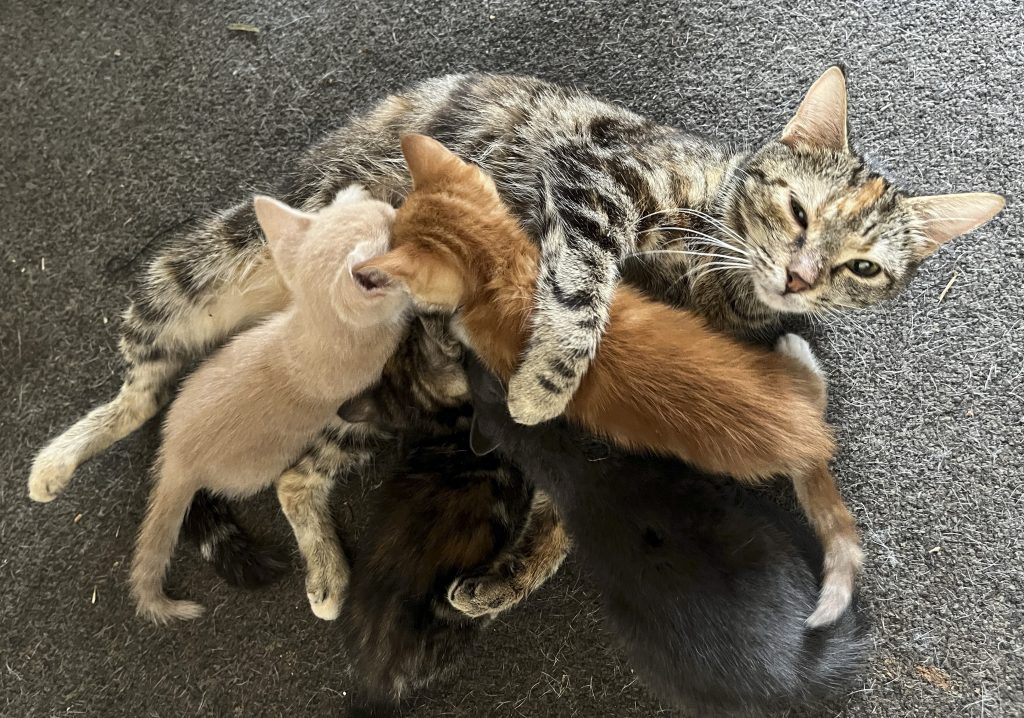
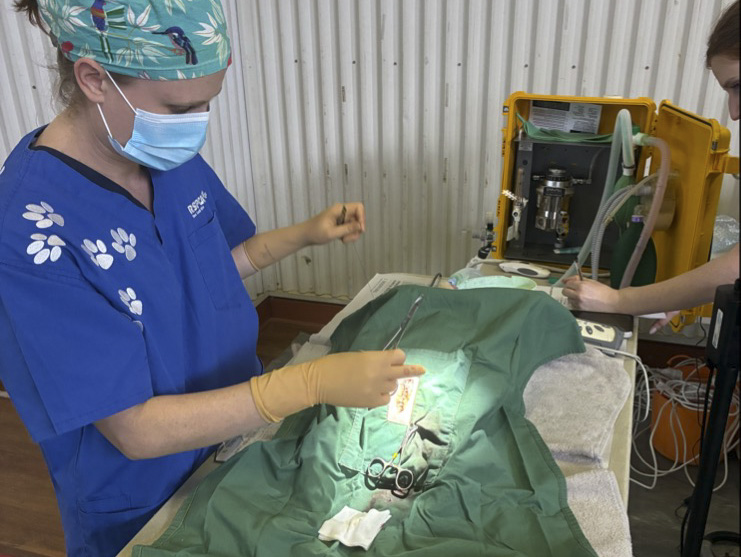
With spring well underway, things are getting busier for cats and the people who care for them. While kitten season brings plenty of new little faces into the world, it can also mean unexpected litters, vulnerable kittens and a bigger strain on the people working hard to care for unowned cats.
As a Desexing Coordinator with Keeping Cats Safe at Home, I see how much work can happen behind the scenes to give cats and kittens the care they need. From supporting community members caring for vulnerable new litters to working with our shelter team and other animal welfare professionals, there’s rarely a single solution to the problems our cats face.
This month, our team has been busy supporting cats in the community, helping young people understand responsible cat care and sharing knowledge about managing cat populations with other organisations. Here’s a look at what we’ve been working on as we head into kitten season.
Supporting Cats Through Kitten Season
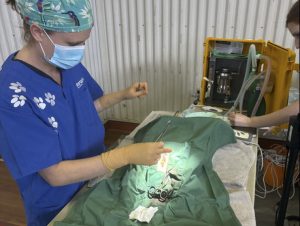
One of the busiest parts of my role is working directly with community members who are caring for stray cats and unexpected litters. Sometimes that means organising veterinary care, helping arrange the surrender of cats who need a new start, or finding practical ways to support people who are doing their best in challenging circumstances.
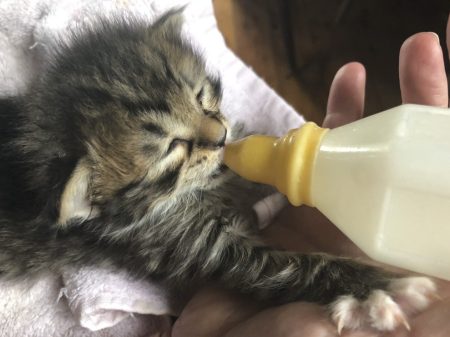
Throughout September, I visited several properties where cats and kittens needed assistance. Some carers needed help arranging key preventative treatment for their kittens; some needed help placing kittens out to foster care: others simply needed a hand with surrendering their cats into the shelter system. I was able to foster kittens myself while helping other community carers navigate difficult living conditions with their feline friends.
Indeed, some kittens and community members simply needed a little extra help. We were able to provide one overwhelmed community member with kitten formula and medication to help care for a litter experiencing conjunctivitis. We also brought kittens from this litter into our care for assessment and to help find the most appropriate next steps for them.
Of course, there were some lovely developments too. Two cats, Silver and Soxie, were brought into care from an abandoned property in Fairfield. Both were pregnant and healthy, but were still desexed, vaccinated and microchipped to give the best possible chance at health. Silver has already been adopted, while Soxie is now in foster care while waiting for a home of her own.
Helping even a single person work through their options can improve life for several cats, whether it means arranging veterinary treatment, finding cats suitable alternate homes or working towards a longer-term plan for the animals on their property. Every situation comes with its own challenges, but these moments show how much of a difference practical support and a bit of coordination can make.
Helping the Next Generation Understand
While some of our team work directly with cats in the community, others are helping build the knowledge that can support cats into the future.
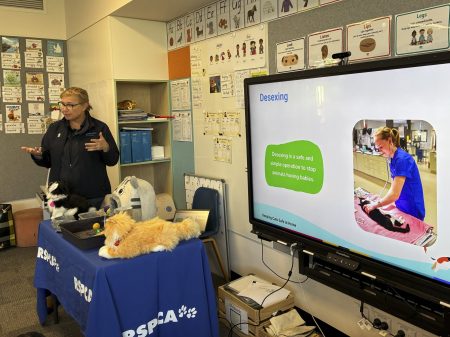
In September, our Education team visited Bankstown North Primary School, where 140 students learnt about keeping cats healthy, happy and safe. Carolyn also took part in a Future Seekers event with The Smith Family, sharing what it’s like to work at RSPCA NSW and exploring skills such as collaboration, communication, creativity and critical thinking.
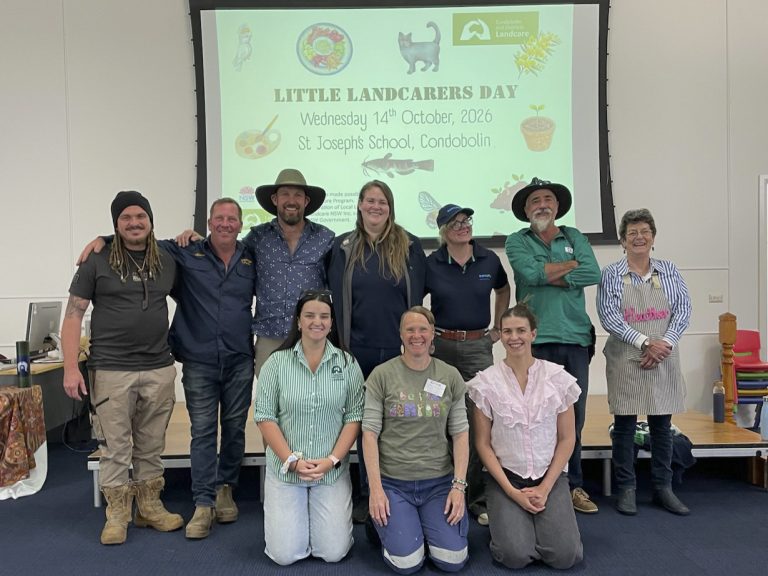
One of the biggest education highlights came through the Regional Landcare Eco Days in Parkes, Condobolin and Grenfell. Carolyn and Rachael delivered 21 Keeping Cats Safe at Home sessions to 480 students across 20 schools.
A highlight of these sessions was our Cat Population Explosion game, an interactive experience designed to help students explore what can happen when cat populations grow without enough support and management. Through the activity, students saw how quickly the numbers could add up, with 4,881 cats generated during the game. It opened conversations about the challenges faced by cats and wildlife, as well as practical steps such as microchipping, desexing and keeping pet cats safely at home.
It’s encouraging to see young people engaging with these ideas and thinking about how our choices affect both animals and the environment. Education is an important part of preparing communities for the challenges that can arise during kitten season and beyond.
Finding Common Ground on Cat Population Management
Helping cats during kitten season is important, but so is looking at the bigger picture. Many of the challenges faced by community cat carers, councils, veterinarians and rescue organisations overlap, which makes sharing knowledge and finding common ground especially valuable.
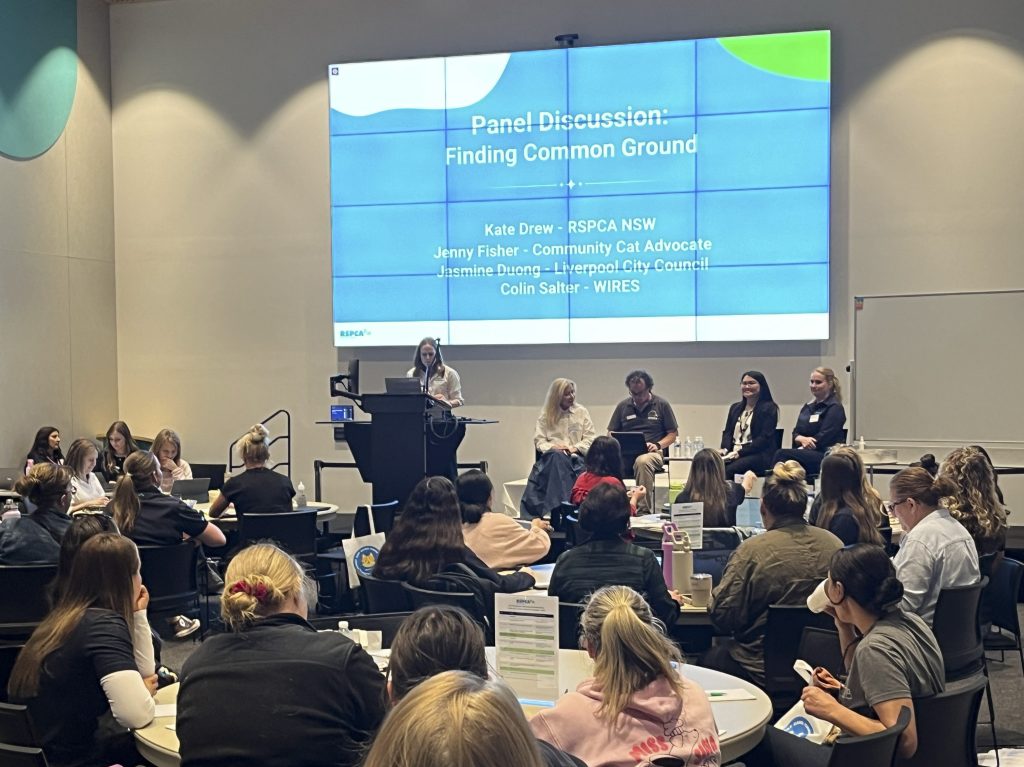
Last month, the Keeping Cats Safe at Home team hosted a two-day Cat Population Management Workshop, bringing together RSPCA staff, councils from across Australia, veterinarians, animal rescue groups and community cat carers.
The workshop featured presentations from local and international experts, alongside a panel discussion called Finding Common Ground. Hosted by Gemma Ma, the discussion invited RSPCA NSW’s Kate Drew, Colin Salter from WIRES, Jasmine Duong from Liverpool Council and community cat advocate Jenny Fisher to discuss the complexities of cat population management and explore how different groups can work towards better outcomes.
Both days also included practical cat counting transects across four local government areas. By comparing these observations with data collected at the same locations, on the same day and at the same time last year, the team will be able to build a clearer picture of how cat populations may be changing.
It was wonderful to see so many people come together around a shared goal. While everyone brings a different perspective, conversations like these help build understanding and encourage more coordinated approaches to supporting cats and the communities that care for them.
Reaching Cat Caregivers Across NSW
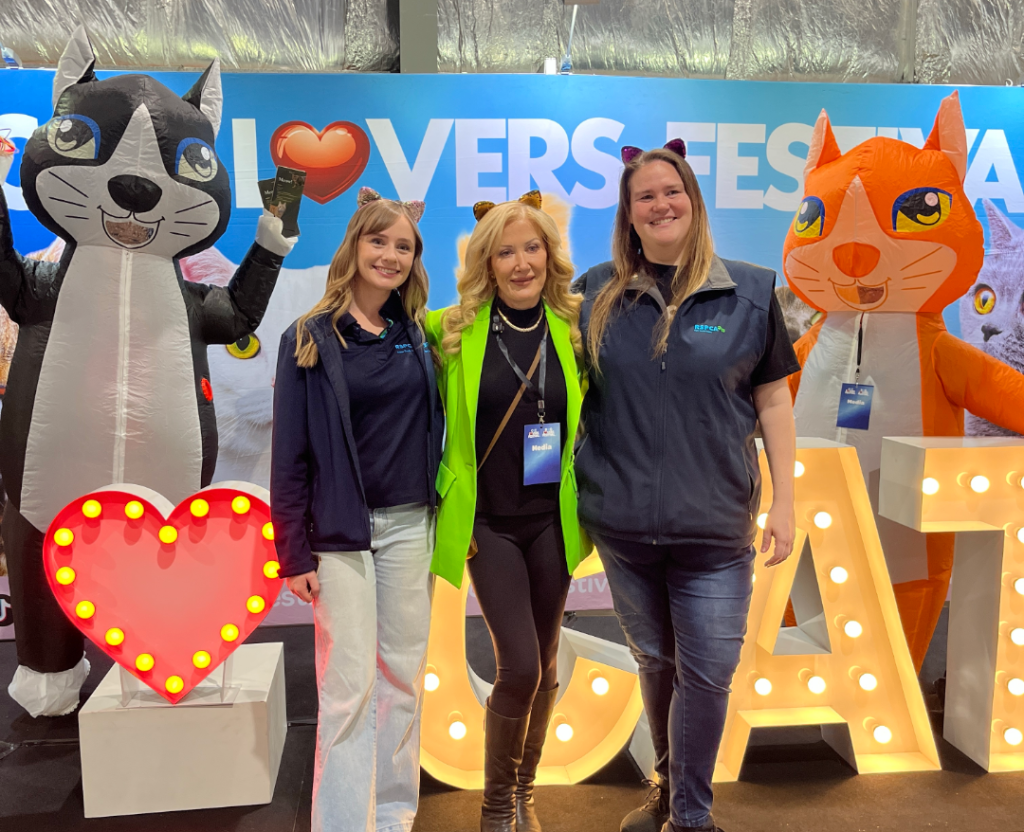
Alongside our work in the field and in communities, our communications help share Keeping Cats Safe at Home messages with cat lovers across NSW.
Over the past month, Aishani has been working on several activities to encourage responsible cat care, including our competition to give away 40 cat enclosures to celebrate the special bond between cats and their carers and help more cats enjoy the outdoors safely.
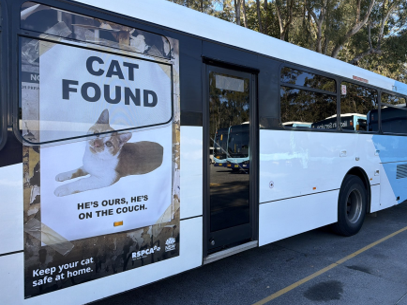
Our No Lost Cats campaign has also returned across a range of channels, including buses, billboards, shopping centre bathrooms, Meta, Google, digital displays and Reddit. We’re also reaching audiences through audio ads on free to air radio and streaming platforms such as ACAST, Mamamia and Spotify.
Together, these activities help us reach people beyond the events, schools and community visits our team attends. By sharing our message across different channels, we can keep cat safety front of mind and encourage more cat caregivers to take everyday steps to help their cats live longer, healthier lives at home.
More Resources, More Opportunities to Learn
There’s plenty happening behind the scenes to help us continue sharing responsible cat care messages with communities across NSW.
Carolyn has completed the first draft of a new book featuring Rampy, RSPCA NSW’s very own in-betweener cat. Aimed at students in Years 5 and 6, the story is now moving into the illustration stage. Carolyn and Aishani have also recorded a read aloud of Stay Safe Clancy, bringing the story’s messages to a wider audience through YouTube.
Looking ahead, our Education team is preparing for a western NSW school tour in collaboration with the RSPCA Education team, including visits to Bourke, Brewarrina and surrounding communities. The team is also continuing preparations for regional Eco Days, creating more opportunities for students to explore responsible cat care, wildlife conservation and environmental stewardship.
These projects are all wildly different, but they share an important purpose: helping people understand the needs of cats and giving them practical ways to make a difference.
Looking Ahead to Kitten Season
As kitten season gets underway, our work will continue across homes, schools, veterinary clinics and communities. Some days will involve helping a litter of kittens get the care they need, while others will focus on education, planning or bringing people together to work through more complex challenges.
There isn’t one simple solution to every situation involving stray and unowned cats. It takes practical support for individual animals, access to the right services, informed communities and cooperation between the people working on the ground.
What gives me hope is seeing these different pieces come together. Whether we’re arranging veterinary care for kittens, helping a student better understand how to keep their cat safe, or sharing ideas and working with other organisations to improve how cat populations are managed, every effort contributes to a better future for cats.
As we move further into spring, we’ll keep working alongside communities across NSW to help cats live healthier, safer lives and support the people who love them most.
Caroline
Desexing Coordinator
Keeping Cats Safe at Home RSPCA NSW