Spring is a busy time for pets. With new litters being born and more pets meeting and playing, pet parents should take extra care to keep their pets safe and healthy.
Dangerous viral diseases like canine parvovirus are among the biggest threats to puppies and unvaccinated dogs. And whilst these diseases put our pets at risk all year round, it’s Spring is a good time to get prepared for parvo season by learning how you can protect your pet and what to look out for when they seem sick. As animal guardians, it’s up to us to understand what you can do to keep your pet safe, especially if you’re bringing young puppies into your care or adopting a dog that may not have been fully vaccinated in the past.
What is canine parvovirus?
Canine parvovirus (CPV) can cause severe and life-threatening gastro in dogs and puppies, especially if they have not been vaccinated.
Dogs can pick up the virus via contact with infected dogs or by touching surfaces like grass, concrete or dirt or drinking bowls and toys that an infected dog previously pooed or vomited on. Parvo is a tough virus, and it can survive on objects and surfaces for more than a year. It’s difficult to completely remove from the environment, which is why it poses such a risk to puppies and dog who have not had a complete vaccination course.
Dogs typically begin showing symptoms of parvo four to ten days after exposure. The clinical signs of the disease vary depending on the individual dog and include:
- low energy (lethargy)
- loss of appetite (not eating or eating less)
- Repeated vomiting (sometimes with blood in it)
- abdominal (tummy) pain
- fever
- severe (and often bloody) diarrhoea
Parvo is treatable but helping infected pets often requires several days in hospital with intensive care. Many times, puppies and dogs will die despite intensive treatment.
How can parvo be prevented?
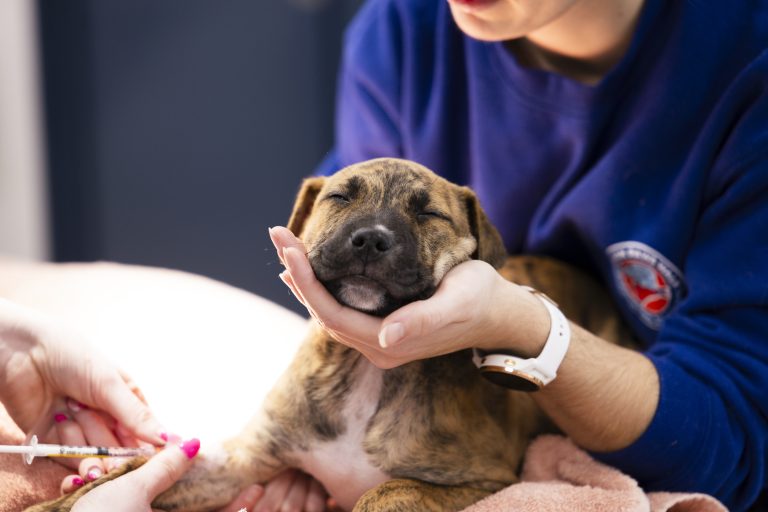
Vaccination is the most effective way to protect your dog. Thankfully, parvo is one of the serious viruses covered by core vaccinations (called a C3).
Ask your vet to vaccinate your dogs and puppies. Vaccination from a veterinarian is the quickest and most effective way to protect your pet.
If you are unsure of your dog’s vaccination status, ask your veterinarian for advice.
If your puppy or dog is sick, contact your veterinarian immediately. The sooner you seek help, the better the chances that your puppy or dog will survive. Always call your vet when you arrive at the hospital and don’t take your sick puppy inside until they let you know they are ready. This is a very contagious disease, and we want to limit the spread.
Speak to your vet about vaccination. It’s the safest and most cost-effective way to protect your puppy or dog.
Read more about keeping dogs safe from parvovirus here.