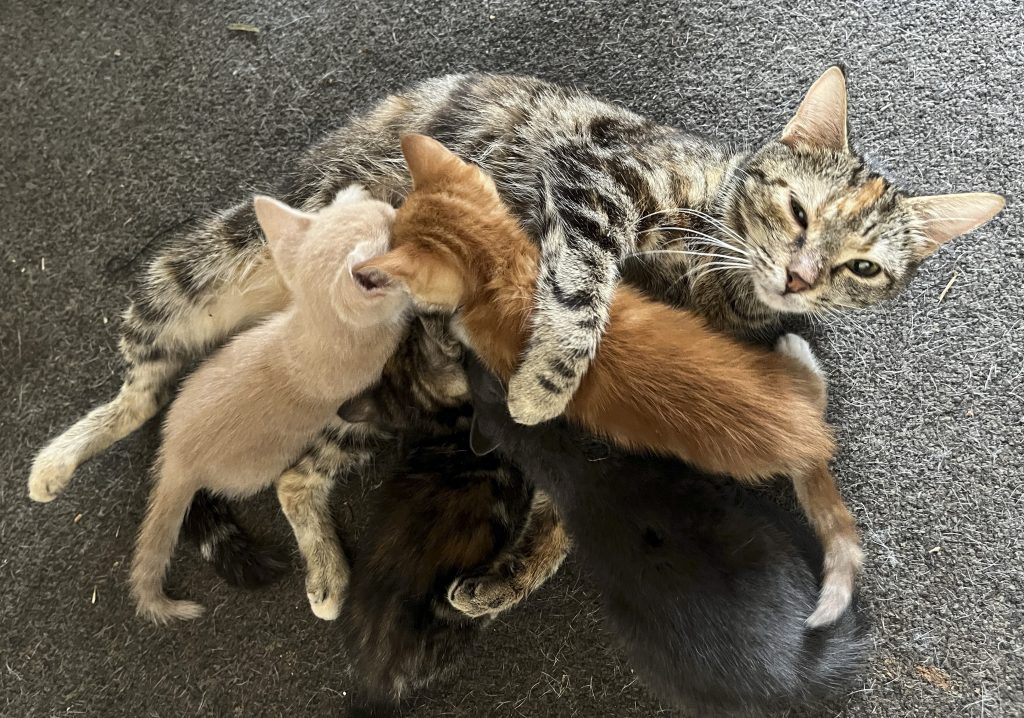
Spring is breeding season for cats, which means undesexed cats in the community are in closer contact than usual and more kittens being born. This combination is a recipe for a potentially fatal viral disease, called Panleukopaenia (also known as panleuk or feline parvo).
Learning how you can protect your cat and cats in your community can help stem the spread of Panleukopaenia.
What is panleukopenia?
Panleuk is a highly contagious and potentially life-threatening virus that is spread through contact with infected cats, their vomit and faeces. Infected cats and kittens can shed the virus into the environment two to three days before showing symptoms. This means affected cats can infect others before they even start showing signs that they are sick. Panleuk is a very tough virus, meaning can live on the ground and objects for a long time, infecting other cats that touch those areas.
While it is similar and closely related to canine parvovirus (parvo) in dogs, dogs cannot catch panleuk from cats.
Common signs of panleuk infection include:
- lethargy (low energy)
- loss of appetite (not eating or eating less than usual)
- repeated vomiting
- fever
- severe (and often bloody) diarrhoea
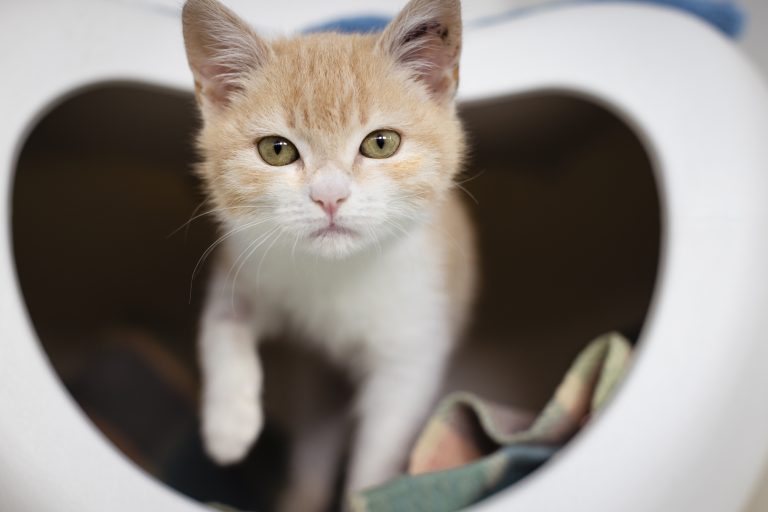
If you notice that your cat is unwell, or see a sick cat in your community, please seek urgent veterinary treatment. Panleuk is a serious illness that often requires several days of hospital treatment, including medication and IV fluids. Although some cats recover with intensive care, the virus can be life-threatening, and treatment is not always successful. Kittens are at the highest risk as, unless they or their mother was vaccinated, they do not have any immunity to the virus.
How do I protect my cat from panleukopenia?
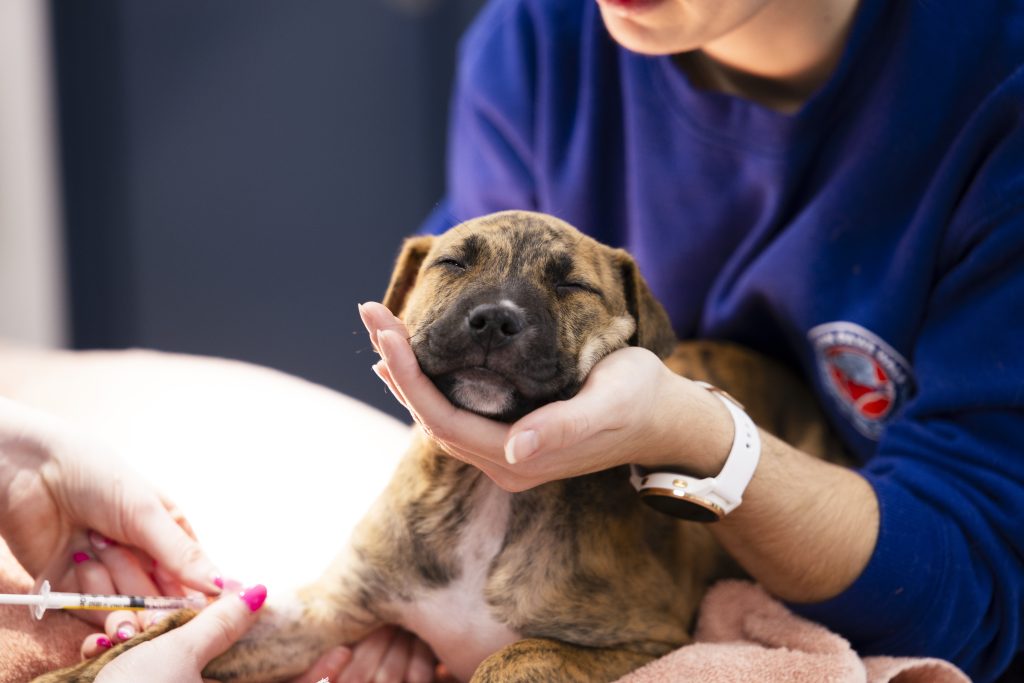
Vaccination given by a vet is the most effective way to prevent disease in cats and kittens. Your vet will explain the best vaccination schedule for your pet, depending on their age and current vaccination status. You can also talk to your vet if you are unsure if your cat has been fully vaccinated or if they are up to date. Vaccination is safe and very effective in preventing panleuk in cats and kittens.
Although treating infected cats is possible, it can be difficult and expensive. Prevention is a simple and cost-effective way to protect your cat and reduce the chance of panleuk spreading in the community.
You can read more about preventing panleuk here.
Can dogs and humans catch panleukopenia?
Panleukopenia specifically affects cats, meaning that both dogs and people cannot catch it.
However, dogs and puppies are at risk of a similar disease to panleuk, called canine parvovirus. Thankfully, there is also a very effective vaccine available that prevents canine parvovirus. Read our latest parvo blog to learn more about how to prevent this virus for your dog or puppy.