Home > Information and Advice > Caring for Animals > Caring for Cats and Kittens > Keeping Cats Safe at Home > Cat Resources
Keeping Cats Safe at Home helps cat owners prevent roaming to protect both their pets and native wildlife.
Lifelong bonds take time to form. Feline friendships are no exception. Introducing your new cat to your existing cat(s) might take weeks or longer depending on how your cats respond. They might become fast friends, or they may not be compatible – not all cats like to share their homes and many cats find change difficult. Take it step by step and most importantly be there to support and guide your cats through this transition.
Before introductions begin, make sure each animal has their own safe area away from the other. If you can, divide your home into a ‘cat area’ and ‘dog area’, ideally with a buffer area in between.
Cats are creatures of habit, hence changing their routine will be smoother with some planning and patience. First, ensure you can meet all your cat’s needs at home. This includes food, water, toilets, comfy places to sleep, and opportunities to express all their natural behaviours like hiding, scratching, climbing, and stalking, chasing and pouncing (on toys and treats).

Panleukopenia (or Cat Parvo) is a very serious and contagious disease in cats. It is preventable with vaccination!
Cats make wonderful pets, offering love and companionship. However, undesexed cats can also create challenges in the community, including unplanned litters, urine spraying and noise from mating or fighting.
Learn how to understand if your cat wants to be touched
You can protect your cat from being hit by a car, from catching disease and parasites, from getting lost or stolen, or injured in cat fights and dog attacks by preventing them from roaming away from home.
Cat enclosures or “catios” have become increasingly popular as a way to provide a safe and enriching outdoor experience for our feline companions. Getting the most out of your catio requires thoughtful planning and incorporating various elements that cater to a cat’s physical and psychological well-being.
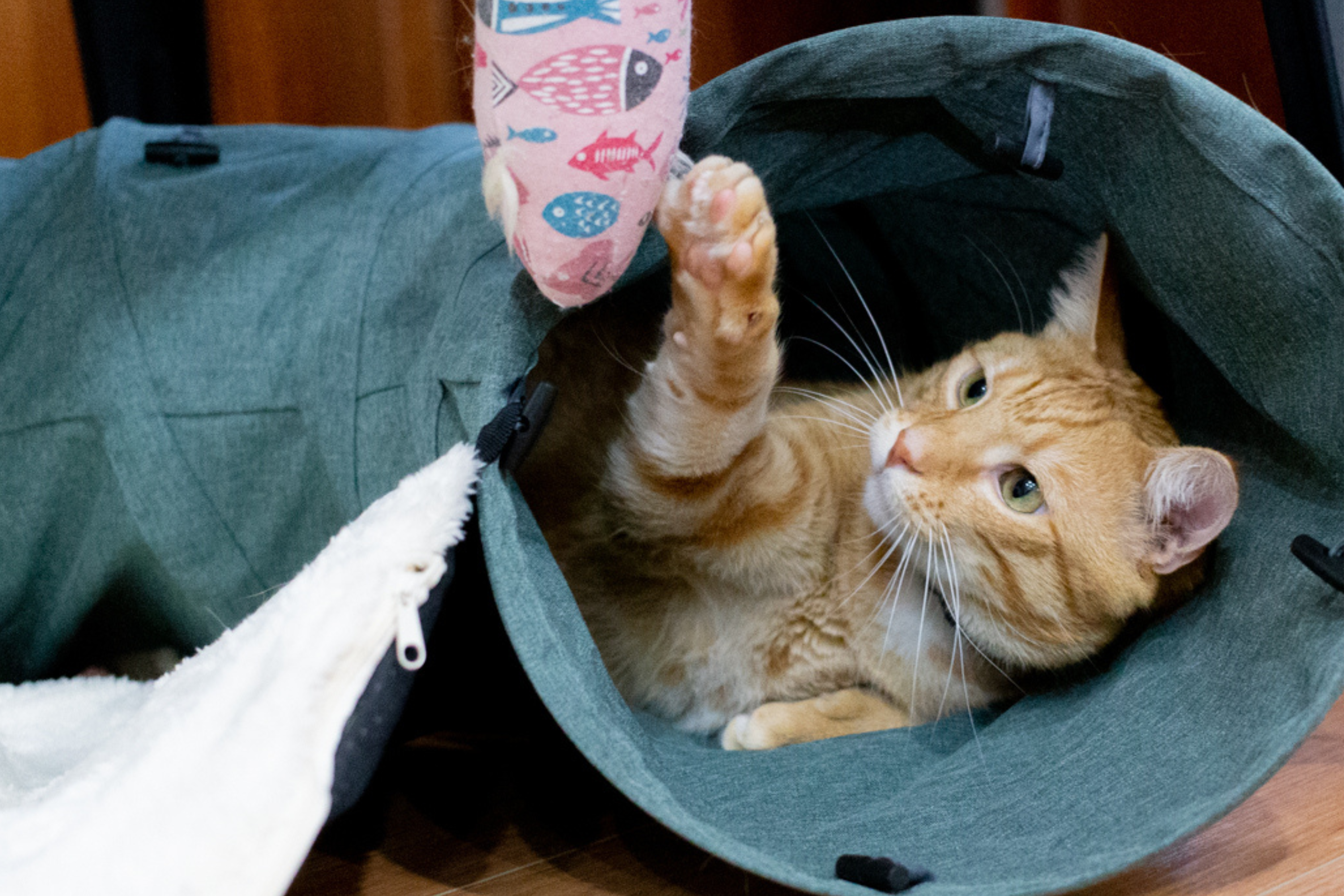
Every cat needs access to scratching posts or surfaces they can scratch on. If you do not give your cat scratching posts and pads and put these in places that your cat wants to scratch, your cat will scratch something else – like your furniture!
Moving house can be stressful for the whole family, including your pets. With some planning, you can keep your pets safe and help them settle into their new home.
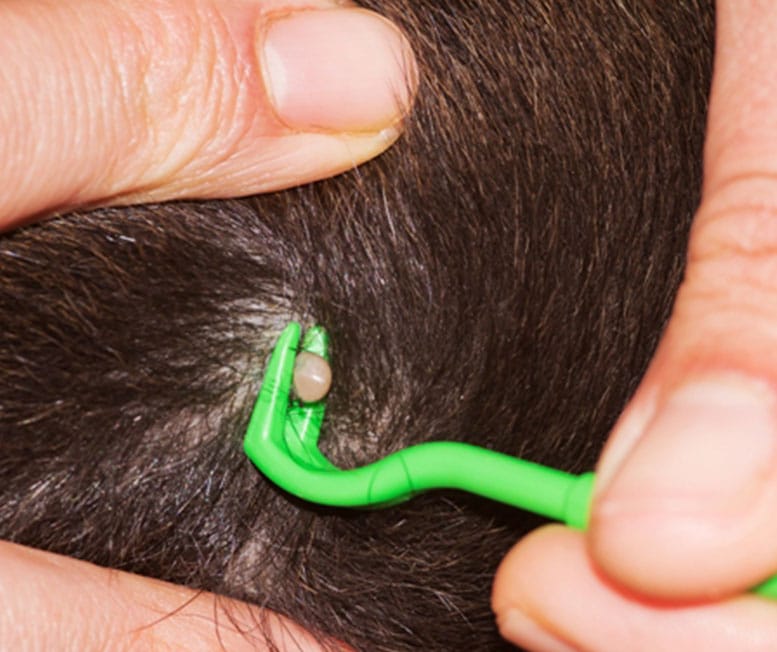
Ticks can make dogs and cats really sick. They feed on your dogs’ and cats’ blood and can make them anaemic. This means they lose so much blood that they don’t have enough left to be healthy.
Cats can feel pain. Pain makes a cat’s body hurt. It also makes them feel scared, irritated or unhappy. Each cat feels and reacts to pain differently. Any change to your cat’s behaviour might mean they are feeling pain. There are ways you can help.
Every cat needs certain things to feel safe, happy, and healthy. When these needs are met, and your cat is free from illness, your cat feels good. Feeling good is good welfare.
Looking after your pet’s teeth and seeing your vet regularly helps keep them healthy and comfortable. Learn more about common problems that can affect the mouth and how to care for your pet’s teeth and gums.
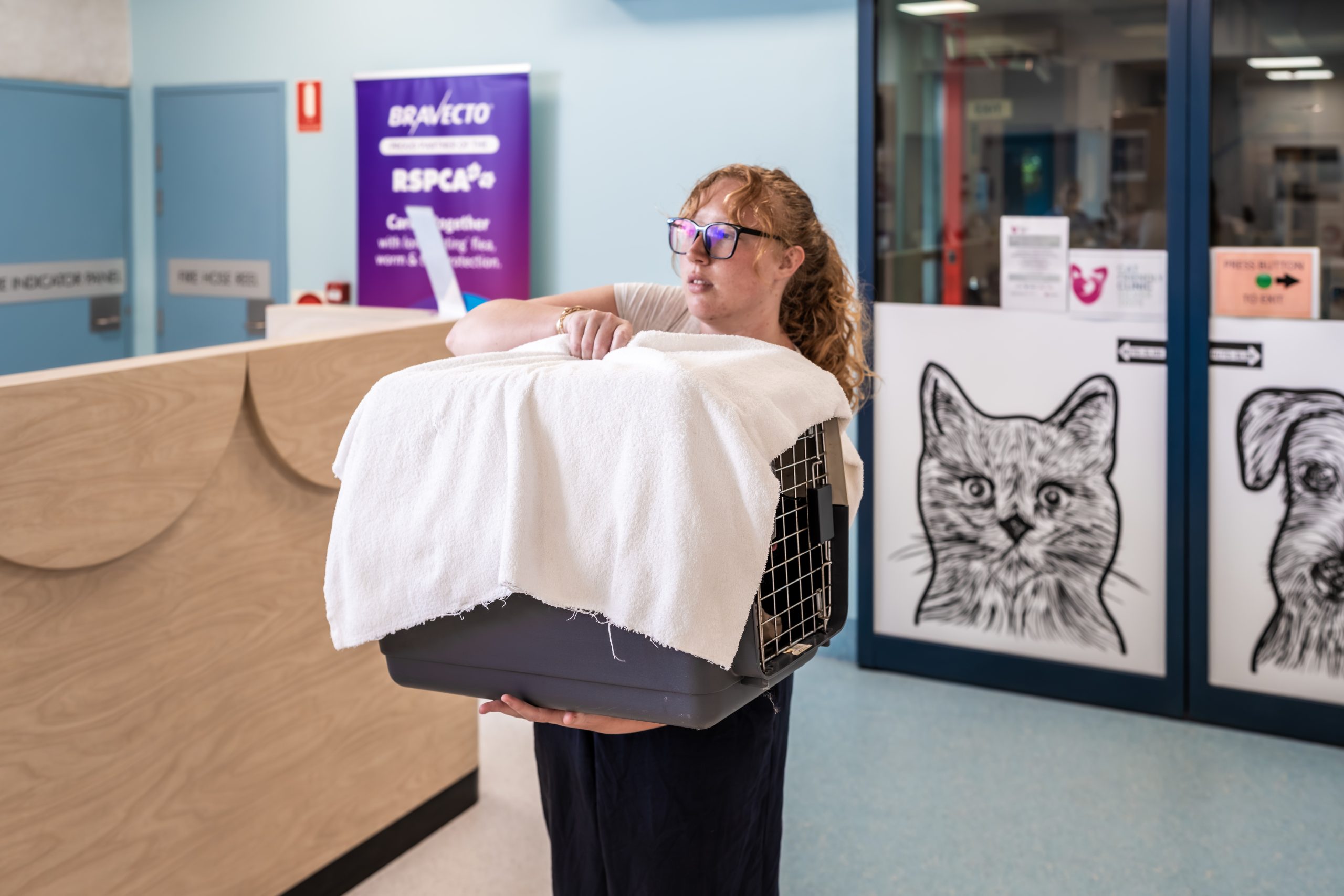
Teaching your cat to go into their carrier by choice can make travelling less stressful for everyone.
Most cats need medication at some point. When cats are forced, medication time can be stressful and unsafe for both cats and carers. Giving cats choice and positive experiences during medication time not only means that they are more likely to take their medication, but it also helps reduce stress for everyone and protects your bond.
Learn more about microchipping and registration for pets.
Cats are wonderful companions for many people. Nonetheless having a neighbour’s cat visit your property can be frustrating. Cats can use your garden or sandpit as their toilet, they can frighten or harm wildlife, and they can bother your own animals. Follow these steps to work constructively with your neighbour to find a solution that works for everyone.
I found kittens! What should I do?
There are several things you should do before taking them to a shelter – the cat may not be stray but simply lost or out exploring.