RSPCA NSW is proud to announce the development of a new Community Desexing Clinic in Condell Park, designed to improve access to preventative veterinary care for underserviced communities in Western Sydney.
The clinic, the first of its kind in NSW, will allow RSPCA NSW to focus exclusively on targeted desexing and initial vaccinations and microchipping for animals being desexed, ensuring these essential services are accessible to eligible low-income residents who may otherwise be unable to access veterinary care.
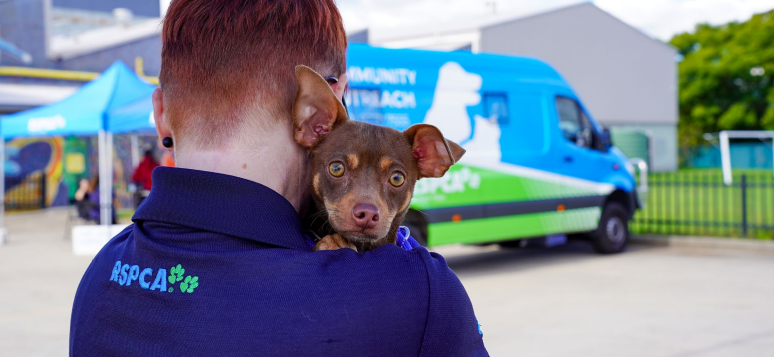
The site will also allow the expansion of RSPCA NSW’s community outreach services, helping to build healthy, thriving communities while supporting more people and their pets in Western Sydney and across the state.
The development of the facility was made possible by a $6.8 million grant from the NSW Government through its Western Sydney Infrastructure Grants Program, which supports transformational infrastructure projects throughout the area. Together with a $1.35 million co-contribution from RSPCA NSW, the grant will enable the creation of the $8.15 million clinic.
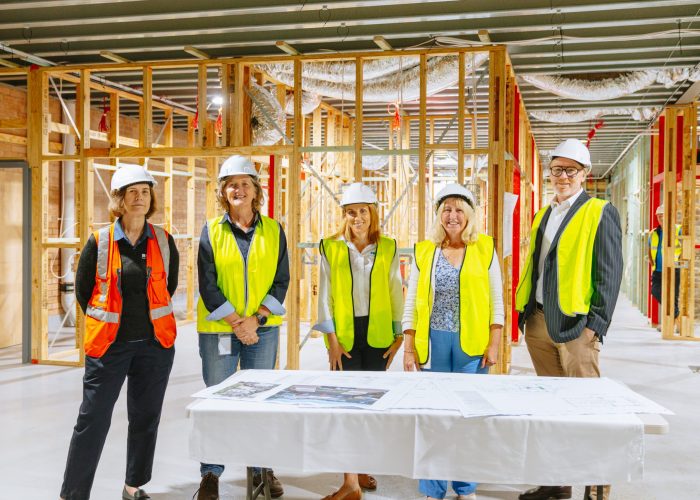
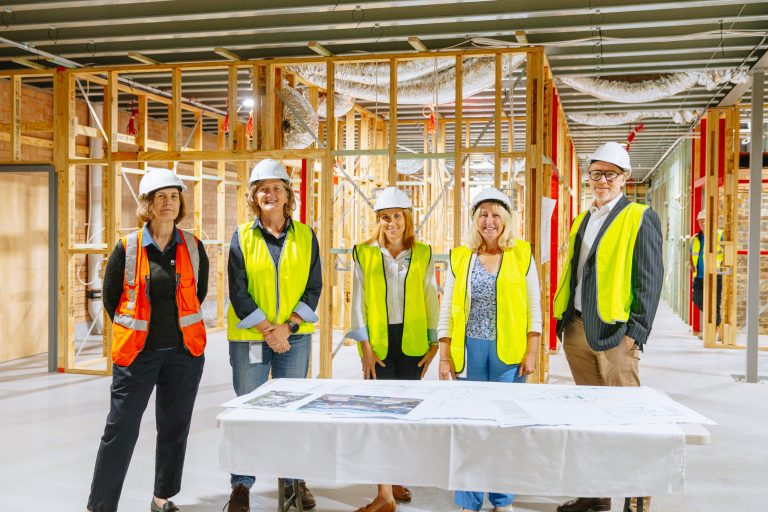
From left to right: RSPCA NSW Senior Manager of Infrastructure, Karen Thorne, RSPCA NSW Senior Manager of Outreach, Education and Crisis Support, Dr Ann-Margret Withers, RSPCA NSW Chief Veterinarian, Dr Liz Arnott, Ms Kylie Wilkinson MP, Member for East Hills, and RSPCA NSW CEO Steve Coleman during a visit to the site.
The new clinic will help reduce unplanned breeding, improve access to core preventative vet care, and strengthen animal welfare outcomes across the region.
The undertaking is grounded in RSPCA NSW’s One Health, One Welfare approach, which recognises the interconnectedness of animal welfare, human wellbeing, and community health.
A key element of this approach will be exemplified by the clinic’s use as a training hub for veterinarians to develop expertise in high-quality, high-volume desexing. Animal overpopulation has been linked to increased stray and roaming animals, zoonotic diseases, dog bites, and wildlife predation, as well as growing pressure on council pounds and shelters already operating at capacity.
The clinic will also support greater community involvement through education and volunteering, while helping to reduce stray animal intake in the Canterbury Bankstown region.
“Community members across Western Sydney care deeply about their pets and want to do the right thing by them. By making desexing services more accessible for low-income residents, this clinic will bring down barriers and expand the reach of these high-impact programs,” said Steve Coleman, CEO at RSPCA NSW.
In FY2021, RSPCA NSW piloted a program in the Canterbury-Bankstown Council area, where the shelter cat intake per population rate was high. After desexing 569 cats from priority suburbs within the Local Government Area (LGA), RSPCA NSW observed a dramatic reduction in the number of cats and kittens arriving in shelters from the targeted region: a drop of 31% compared to the average from the previous four years.
“Over the past five years, we’ve delivered successful targeted desexing programs across Western Sydney, demonstrating the effectiveness of humane, strategic population control,” said Dr Jeffrey So, Veterinarian and Shelter Medicine Advisor at RSPCA NSW.
“Conducting more preventative work in the community will greatly improve the lives of both local animals and the people who love them most,” added Dr So.
The new Community Desexing Clinic is expected to open in late 2026.