Understanding consent, body language and building trust with your feline friend
For many of us, one of the great joys living with cats is being able to delight in each other’s company during the quieter moments of the day. Whether they’re curled up beside us on the couch or greeting us at the door, it’s natural to want to reach out for a pat or pick them up for a cuddle. But while humans often use touch to show affection, cats don’t always experience it the same way.
Just like people, every cat has their own preferences about when, where, and how they like to be touched. Learning to recognise these preferences, asking for your cat’s “consent”, and respecting when they’ve had enough can strengthen your relationship and help your cat feel safe, understood and in control.
What does ‘consent’ mean to cats?
Consent simply means giving cats the choice to decide whether they want to interact with you.
Cats are most comfortable when they feel in control of their environment and their interactions. Rather than reaching straight towards them or picking them up unexpectedly, allow your cat to decide whether they want to engage.
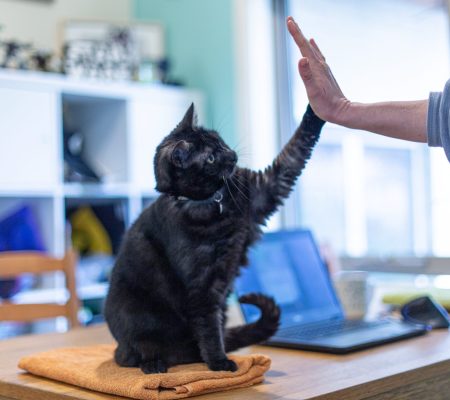
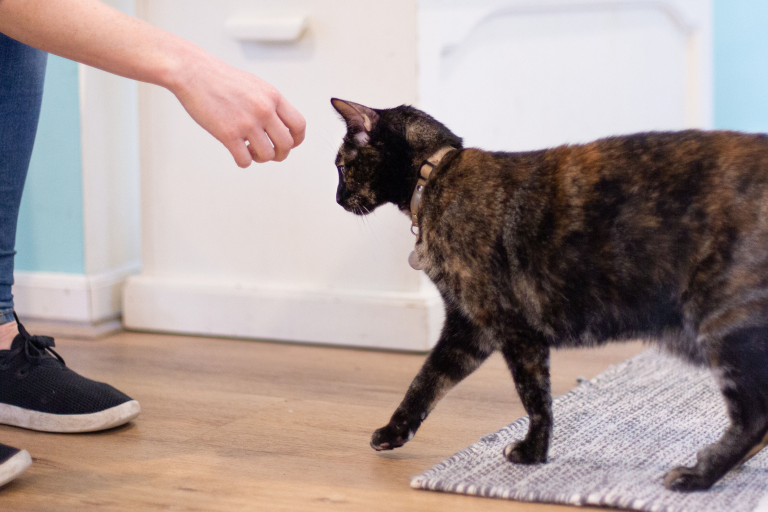
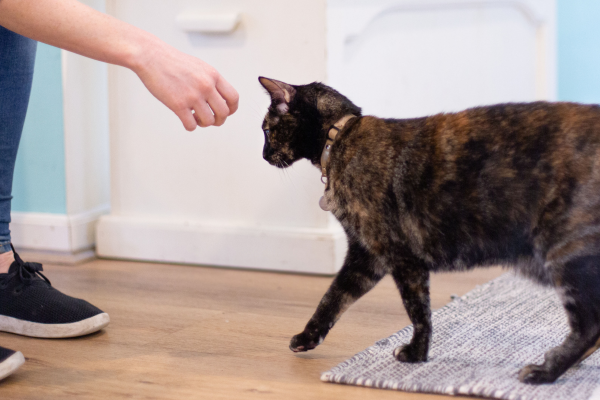
A simple way to ask for consent is to first allow your cat to approach you, rather than approaching them. Once they come over, gently offer your hand and wait. Your cat may choose to sniff your hand as they gather information about you, but this isn’t necessarily an invitation to touch them. If your cat then rubs their face or body against your hand (known as bunting), they’re showing they’re comfortable interacting and you can gently begin patting them. If they simply sniff your hand, remain where they are, or walk away, respect their decision and allow them to continue whatever they were doing.
Giving your cat this choice helps build trust because they learn that interactions happen on their terms, not ours.
Where do cats like to be touched?
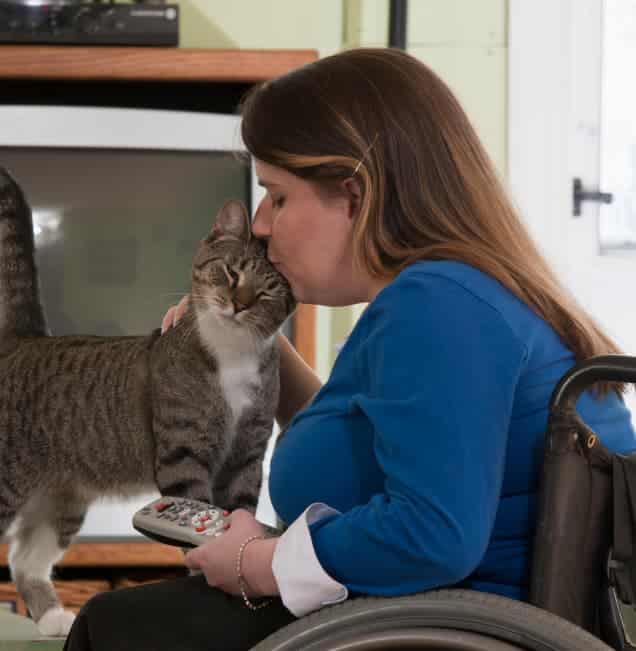
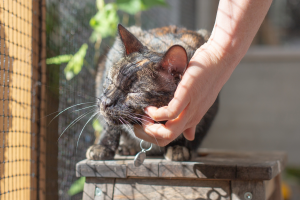
While every cat is different, many enjoy gentle strokes around areas where they naturally rub and leave their scent, including:
- The cheeks
- Under the chin
- Around the forehead
- Behind the ears
These areas often feel pleasant for cats and can encourage relaxed, positive interactions.
Many cats are less comfortable being touched on their belly, legs, tail, or paws. Although some cats may expose their belly when they feel relaxed, this is often a sign of trust rather than an invitation for a belly rub. For many cats, touching these more vulnerable areas can quickly become uncomfortable or overwhelming.
The best approach is to let your cat guide you. Every cat has their own preferences, and what one cat loves, another may avoid. Paying close attention to your cat’s reaction to touch will help you learn what they enjoy.

Understanding your cat’s body language
Cats communicate constantly through their body language. Understanding these signals can help you know when they’re enjoying an interaction and when they’re ready for it to end.
Signs your cat is comfortable may include:
- Leaning into your hand
- Gently rubbing against you
- Slow blinking
- Soft, relaxed ears and whiskers
- Remaining close to you
On the other hand, your cat may be telling you they’ve had enough if they:
- Turn their head away
- Flatten their ears
- Flick or swish their tail
- Tense their body
- Move away from you
- Growl, hiss, or swipe
While these signals don’t necessarily mean your cat is feeling “grumpy” or “unfriendly,” these behaviours communicate that they’re no longer comfortable. Showing respect and ending the interaction will teach your cat that you’ll listen when they communicate, strengthening trust over time.
Looking for permission doesn’t stop once you start patting
It’s easy to think we only need our cat’s consent at the beginning of an interaction, but our feline friends can change their minds at any time.
A cat who happily approached you for a pat may, after a few seconds of attention, decide that they’ve had enough – and that’s perfectly normal! In fact, many cats prefer short interactions and can become overstimulated if they’re patted for too long.
Rather than continuing to pet your cat, pause occasionally and give them the opportunity to choose whether they want more interaction. If they lean back in or rub against your hand, they’re asking for more. If they move away or turn their attention elsewhere, let them go.
Knowing they can end an interaction whenever they choose helps cats feel safe and gives them confidence that their communication will be respected.
Respecting our cats’ need for space
Consent also means recognising when your cat doesn’t want to interact at all.
Cats need plenty of opportunities to rest, sleep and hide without being disturbed. Like us, they don’t always feel like socialising. Allowing your cat to nap, relax in their favourite hiding place, or simply watch the world go by without being picked up or interrupted is an important part of helping them feel safe and secure.
Many cats also enjoy spending time close to their people without necessarily wanting to be touched. Sitting beside you, following you around the house, or resting nearby are all ways cats choose to spend time with us. Respecting these quieter forms of companionship helps build a relationship based on trust rather than expectation.

Does my cat enjoy being picked up?
Many people assume cats enjoy being picked up, but for many felines, being lifted removes their sense of control.
Some cats happily tolerate or even enjoy being carried, while others find it stressful or frightening. If your cat stiffens, struggles, vocalises, or tries to jump away when picked up, it’s best to avoid doing so unless it’s necessary for their safety or health.
Instead, look for other ways to share affection that your cat enjoys, whether that’s sitting together, gentle pats, interactive play, or simply being in the same room.
Why you shouldn’t teach your cats that hands are toys
Positive interactions aren’t just about how we touch our cats, they’re also about how we play with them.
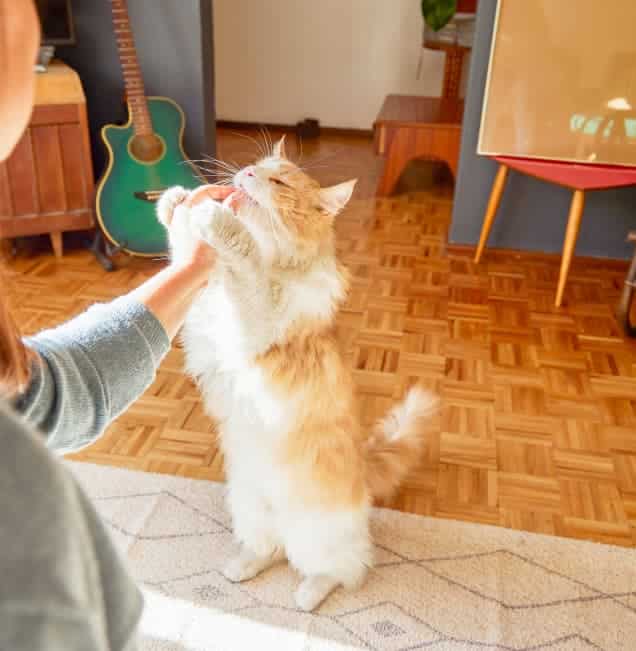
Using your hands, feet, or hair as toys can teach cats that it’s appropriate to chase, bite, or grab people. While this may seem harmless when they’re kittens, it can become confusing as they grow older, making it harder for them to distinguish between play and affection.
Instead, use wand toys, feather toys, or other toys that mimic prey. These allow your cat to express their natural hunting behaviours while keeping hands safely out of the game.

What to do when your cat suddenly doesn’t want to be touched
If your cat typically enjoys being patted or picked up but suddenly starts avoiding touch, reacting aggressively, or becoming withdrawn, it’s worth paying attention.
Pain can change how a cat feels, moves and behaves. Cats experiencing discomfort may not want sore parts of their body touched or may avoid being picked up because it makes them feel worse. Unfortunately, cats are very good at hiding pain, meaning these subtle changes are sometimes the first sign that something isn’t right.
If your cat’s response to touch changes unexpectedly, it’s a good idea to book a visit with your veterinarian. Identifying and treating pain early can make a significant difference to your cat’s comfort and wellbeing.
Building a relationship based on trust
Learning how your cat likes to be touched is about more than avoiding scratches or bites, it’s about understanding who they are as an individual.
By giving your cat choice, respecting their body language, allowing them to decide when interactions begin and end, and recognising when they simply need space, you’re helping them feel safe, understood and in control.
Every cat is unique, and the more we listen to what they’re telling us, the stronger the bond we build. Sometimes, the kindest thing we can do isn’t giving our cat another cuddle, it’s recognising when they’d rather simply sit beside us instead.
For more information, check out our resource ‘Let your cat choose if they want to be touched’ here or head to our amazing resources here.